


LifeStyle Renovations Blog
Renovating for Resale: Which Home Improvements Can Add the Most Value?

If you are planning to sell your home, renovating before listing can be a smart way to improve buyer appeal, reduce objections, and potentially increase the value of your property. But when you are renovating for resale, the strategy should be very different from renovating a home you plan to enjoy for the next 20 years.
The goal is not necessarily to create your dream home.
Instead, the goal is to make thoughtful improvements that appeal to a broad range of buyers without spending more than the market is likely to reward.
Some renovations can dramatically improve how buyers perceive a home. Others may be beautiful but provide little benefit when it comes time to sell. The challenge is determining which improvements are worth making, how extensively to renovate, and where your available budget will have the greatest impact.
For Calgary homeowners, this means considering not only current design preferences but also the property’s location, age, condition, neighbourhood, price range, competing listings, and the expectations buyers are likely to have.
A dated kitchen in one neighbourhood could be a major obstacle to selling. In another, buyers may expect to renovate and would rather purchase the home at a lower price.
Before picking up a hammer, start with a plan.
Here are some of the most important considerations and renovation projects to evaluate when renovating your home for resale.
What Does Renovating for Resale Really Mean?
Renovating for resale means improving a property with the future buyer in mind.
That distinction is important.
When renovating for yourself, you might choose highly personalized colours, expensive specialty appliances, unusual layouts, luxury materials,
or features designed specifically around your family’s lifestyle.
Those decisions may be completely worthwhile when you intend to enjoy them for years.
When you’re renovating to sell, however, your priorities change.
You want improvements that:
- Make a strong first impression
- Appeal to as many qualified buyers as possible
- Address obvious maintenance concerns
- Make the home feel current and well cared for
- Improve functionality
- Reduce potential buyer objections
- Photograph well for online listings
- Complement the home’s value and neighbourhood
- Avoid unnecessary over-improvement
- Help your property compete against similar homes
The best resale renovation is rarely the most expensive renovation.
It is usually the one that makes the home feel well maintained, functional, attractive, move-in ready, and appropriately updated for its price point.
Start by Looking at Your Home Through a Buyer’s Eyes
One of the hardest parts of preparing a long-term home for sale is viewing it objectively.
You may no longer notice the scratched flooring near the entrance, dated cabinet hardware, tired wall colours, loose railing, dim bathroom lighting, or worn carpet because you have lived with those things for years.
A potential buyer will see them immediately.
Walk through your home as though you were seeing it for the first time.
Start outside at the curb.
What does the landscaping look like? Is the front entrance welcoming? Does the exterior appear maintained?
Then enter through the same door a buyer would use.
Notice the first thing your eye is drawn toward.
Look for:
- Damaged or worn flooring
- Chipped or dirty paint
- Dated fixtures
- Cluttered rooms
- Poor lighting
- Damaged cabinetry
- Old countertops
- Broken hardware
- Cracked tile or grout
- Water stains
- Doors that do not close properly
- Missing trim
- Visible repairs
- Unfinished projects
- Awkward room layouts
- Areas that feel dark or cramped
You do not necessarily need to renovate every imperfection.
The objective is to identify which issues are most likely to affect the way buyers perceive the entire property.
Prioritize Repairs Before Cosmetic Renovations
Before spending money on trendy finishes, deal with obvious maintenance problems.
A beautifully renovated kitchen will not distract a serious buyer from evidence of a roof leak, plumbing concern, damaged drywall, electrical issue, moisture problem, or unfinished repair.
In fact, visible defects can create a larger psychological problem.
Buyers may begin wondering what else is wrong with the home that they cannot see.
Prioritize items such as:
- Active water leaks
- Damaged drywall
- Loose railings
- Broken doors and windows
- Plumbing problems
- Electrical concerns
- Damaged flooring
- Missing trim
- Cracked or deteriorated caulking
- Poorly functioning fixtures
- Exterior deterioration
- Safety concerns
Taking care of maintenance communicates that the home has been looked after.
That can be just as important as installing new finishes.
Renovating the Kitchen for Resale
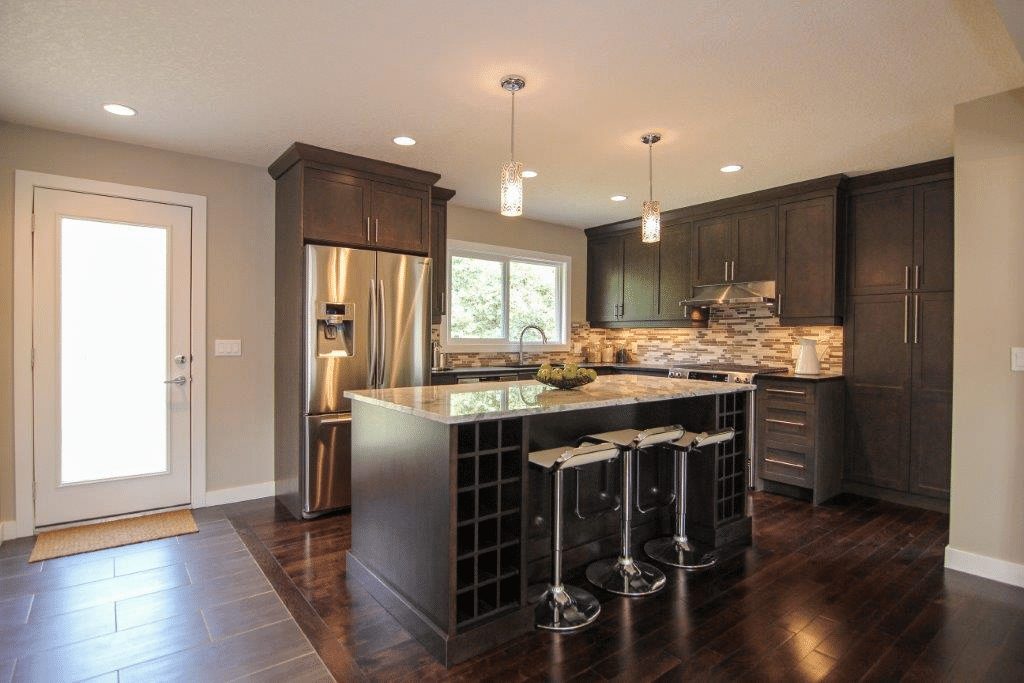
The kitchen is one of the most influential rooms in many home-buying decisions.
It is not simply where meals are prepared. Kitchens have become gathering spaces, homework areas, entertaining zones, and visual focal points in open-concept homes.
Because of that, an outdated kitchen can influence a buyer’s impression of the entire property.
However, this does not mean every home needs a complete luxury kitchen renovation before resale.
Determine How Much Kitchen Renovation Is Necessary
Start by examining what is actually dated or worn.
If the layout works well and the cabinets are structurally sound, you may be able to dramatically update the room with smaller improvements such as:
- New countertops
- Updated cabinet hardware
- Fresh backsplash tile
- Modern lighting
- New faucet
- Updated sink
- Fresh paint
- Improved under-cabinet lighting
- New appliances where appropriate
Cabinets that are in good condition may sometimes be refinished or professionally painted rather than completely replaced.
On the other hand, a kitchen with an inefficient layout, severely deteriorated cabinetry, damaged countertops, inadequate storage, or obvious age may benefit from a larger remodel.
The extent of the work should make sense for the home’s expected selling price.
Choose Broadly Appealing Kitchen Finishes
When renovating for resale, neutral does not need to mean boring.
The goal is to select finishes that make it easy for buyers to imagine bringing their own furniture and personality into the home.
Popular resale-friendly choices often include:
- Warm whites
- Soft greys and greiges
- Natural wood tones
- Simple shaker-style cabinetry
- Quartz or other durable countertops
- Subtle backsplash tile
- Understated cabinet hardware
- Layered lighting
- Durable flooring
Try to avoid finishes that are so distinctive that they narrow the pool of buyers who will appreciate them.
A future homeowner can always add stronger personality through décor.
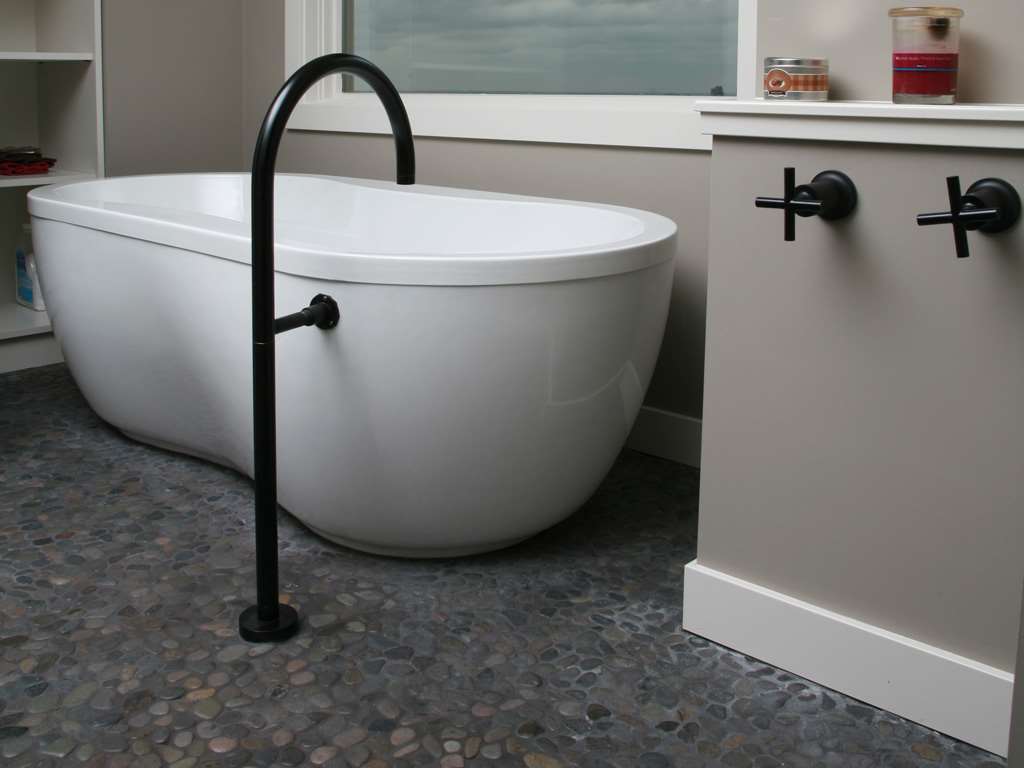
Bathroom Renovations Can Make a Big Impression
Bathrooms may be smaller than kitchens, but buyers pay close attention to them.
A bathroom that appears clean, fresh, bright, and modern can reinforce the idea that the home is move-in ready.
A bathroom showing cracked grout, mouldy caulking, worn fixtures, water damage, poor lighting, or an obviously dated vanity can have the opposite effect.
Fortunately, bathrooms can sometimes be refreshed without completely rebuilding them.
High-Impact Bathroom Improvements
Depending on condition, consider:
- Replacing an outdated vanity
- Installing a new countertop
- Updating faucets
- Replacing the mirror
- Improving lighting
- Installing modern cabinet hardware
- Replacing damaged tile
- Repairing grout
- Recaulking tubs and showers
- Updating the toilet where necessary
- Painting walls
- Installing a better exhaust fan
- Replacing dated accessories
If the bathroom is significantly outdated, a full renovation may make sense.
Again, match the finish level to the home.
A luxury spa-style bathroom may be appropriate in a higher-end Calgary property but could represent unnecessary over-improvement in a modest starter home.
Never Underestimate Curb Appeal
Your resale renovation starts before buyers enter the house.
The exterior creates their first impression.
Even more importantly, buyers usually see photographs of the exterior before they decide whether to schedule a showing.
A neglected exterior can cause potential buyers to form an opinion before they ever step inside.
Fortunately, curb appeal improvements do not always require a large renovation budget.
Consider:
- Painting or replacing the front door
- Repairing damaged exterior finishes
- Cleaning walkways
- Improving exterior lighting
- Updating house numbers
- Cleaning windows
- Repairing fences
- Trimming shrubs and trees
- Refreshing garden beds
- Removing weeds
- Improving lawn condition
- Repairing damaged steps or railings
- Updating tired door hardware
- Cleaning or improving the porch
- Replacing a damaged garage door
The objective is simple: make the home appear cared for.
A clean, welcoming exterior sets a positive tone for everything buyers see afterward.
The Entryway Sets the Tone
Once buyers open the front door, your entryway becomes the next first impression.
That makes it an important resale consideration.
A cluttered, dark or cramped entrance can make the home feel smaller. A bright and organized entryway can immediately create a sense of space and functionality.
Consider improvements such as:
- Fresh paint
- Updated lighting
- Durable flooring
- Better closet organization
- A mirror
- Modern door hardware
- Built-in storage where appropriate
- Improved trim
- New baseboards
- Better natural light
In Calgary, buyers are also likely to appreciate practical storage for coats, boots and seasonal clothing.
Functionality matters just as much as appearance.
Paint May Provide One of the Biggest Visual Transformations
Few improvements can change the feeling of a home as quickly as fresh paint.
Paint can make tired rooms appear cleaner, brighter, larger, and more current.
When preparing to sell, strongly personalized colours can make it harder for buyers to visualize the home as their own.
That does not mean every wall needs to be stark white.
Warm whites, light greiges, muted taupes, soft neutrals and other subtle tones can create a flexible backdrop while still giving the property warmth.
Painting also provides an opportunity to repair dents, nail holes, damaged corners and other imperfections that become more noticeable in listing photographs.
Don’t forget:
- Ceilings
- Baseboards
- Interior doors
- Door casings
- Window trim
Fresh trim can make an older interior feel significantly more polished.
Update Dated Lighting
Lighting has a major influence on how buyers experience a property.
A well-lit home often feels larger, cleaner and more welcoming.
Older fixtures can date a house immediately, even when the rest of the room is reasonably current.
Replacing outdated chandeliers, flush-mount fixtures, pendants, sconces, and bathroom vanity lights can provide a relatively quick visual update.
Also pay attention to bulb colour temperatures.
Using dramatically different light tones from room to room can make photographs and showings feel inconsistent.
Where appropriate, consider layered lighting that combines:
- General lighting
- Task lighting
- Accent lighting
Kitchens, bathrooms and workspaces benefit especially from thoughtful lighting.
Natural light matters too.
Keep window coverings open during showings when privacy permits, clean windows thoroughly, and avoid placing oversized furniture where it blocks available daylight.
Should You Replace Flooring Before Selling?
Flooring covers a large visual area of the home, so its condition can strongly influence buyer perception.
Replacing flooring may be worth considering when existing surfaces are:
- Severely scratched
- Stained
- Torn
- Damaged by moisture
- Visibly outdated
- Inconsistent from room to room
- Poorly installed
- Beyond practical repair
If hardwood is generally sound but scratched and worn, refinishing may be more economical than replacement.
Carpet should be evaluated carefully. If it is stained, heavily worn, odorous, or dated, replacing it can make the house feel much fresher.
For new flooring, select materials that are durable, appropriate for the room, and consistent with the property’s price point.
Visual continuity can also make smaller homes appear larger.
Too many abrupt flooring transitions can make a floor plan feel fragmented.
Creating a More Functional Floor Plan
Modern buyers frequently value homes with comfortable gathering spaces and good traffic flow.
However, automatically removing walls in the name of creating an “open concept” is not always the best resale decision.
Some buyers increasingly appreciate defined spaces for:
- Working from home
- Children’s activities
- Quiet rooms
- Dining
- Entertaining
- Privacy
Instead of following a trend, evaluate whether your home’s existing layout creates an obvious problem.
Perhaps the kitchen feels completely isolated from the living area. Maybe a hallway wastes significant floor space. A doorway may be located awkwardly, or a room may feel unnecessarily boxed in.
Thoughtful layout changes can improve functionality, but structural modifications can also add considerable cost.
Before making them solely for resale, determine whether the improvement is likely to materially change the buyer experience.
Renovating the Basement for Resale
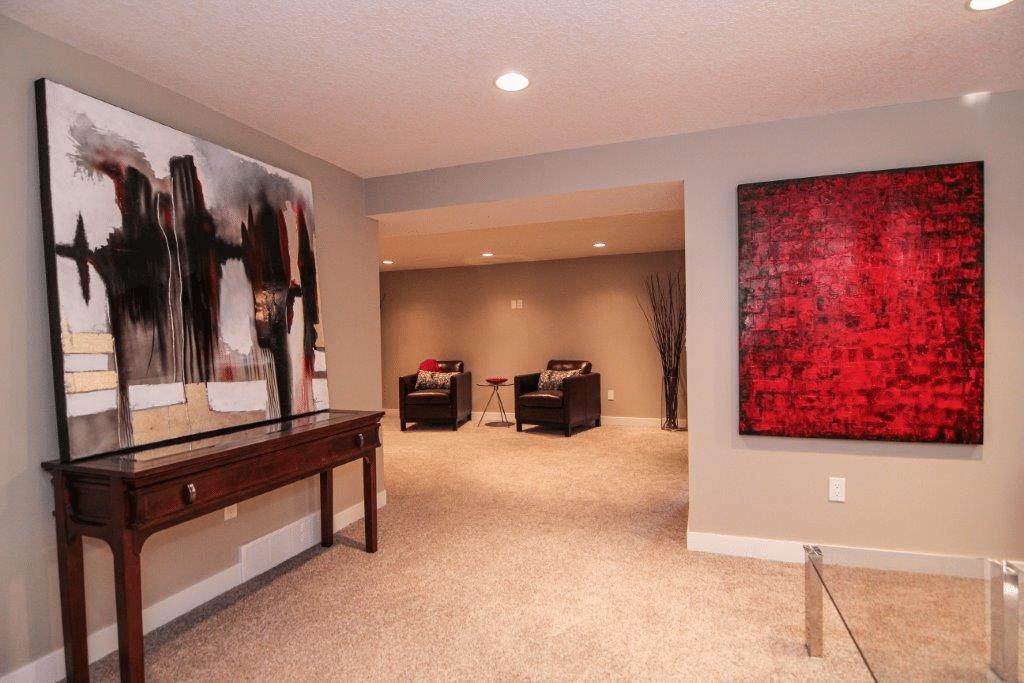
An unfinished or poorly used basement may represent significant potential.
In Calgary, developed basements can provide valuable additional living space for recreation, work, guests, storage, hobbies, or family activities.
Potential basement uses include:
- Family room
- Recreation room
- Home office
- Guest space
- Exercise room
- Hobby area
- Additional bathroom
- Storage
- Children’s play area
A professionally finished basement can help buyers imagine using more of the home’s available space.
But basement development can also become a substantial renovation.
Before proceeding specifically for resale, consider your timeline, budget, neighbourhood and likely selling price.
It may make more sense to finish a basement in a market where buyers expect developed lower levels than to undertake a major project where buyers are unlikely to pay enough additional value to justify the entire expense.
Any proposed bedrooms, structural modifications, plumbing, electrical work or other regulated work should also be properly planned and permitted where required.
Permits Matter When Selling a Renovated Home
One mistake homeowners should avoid is completing significant renovation work without considering permit requirements.
Cosmetic work such as painting and changing finishes generally presents a very different situation from structural changes, new wiring, plumbing alterations, newly developed basements, or changes to windows and doors.
When selling, buyers may ask questions about major renovations that were completed.
Documentation can help demonstrate that improvements were handled appropriately.
If you are planning structural changes or significant renovations in Calgary, determine the applicable requirements before beginning work rather than trying to solve permitting issues when you are preparing to list.
Energy-Efficient Improvements Can Appeal to Buyers
Energy efficiency may not be as visually exciting as a new kitchen, but comfort and operating costs matter to homeowners.
Potential upgrades can include:
- Improved insulation
- Air sealing
- Better windows
- Improved exterior doors
- Programmable or smart thermostats
- Efficient lighting
- Heating and cooling improvements
In Calgary’s climate, buyers may pay particular attention to drafts, window condition, heating comfort, and the age of major mechanical systems.
Natural Resources Canada also encourages homeowners to look at the home as a complete system when planning energy improvements rather than treating every component independently.
If major energy-related renovations are being considered, evaluate how different upgrades work together.
Don’t Replace Something Simply Because It Is Old
Age alone does not always mean a component needs to be replaced before resale.
A well-maintained feature can sometimes be preferable to installing a cheap replacement solely because it is new.
This is particularly important when considering:
- Hardwood
- Wood cabinetry
- Solid interior doors
- Quality millwork
- Stone
- Brick
- Architectural details
Original features may add character and value when they are in good condition.
Consider restoration or refinishing before automatically removing quality materials.
A thoughtful renovation respects what is already working.
Smart Home Features: Keep Them Simple
Smart home technology can add convenience, but avoid turning your home into a complicated demonstration of technology.
Useful features may include:
- Smart thermostats
- Video doorbells
- Smart door locks
- Basic security features
- Simple lighting controls
Systems that require multiple accounts, complicated apps, proprietary subscriptions, or significant technical knowledge may not appeal to every buyer.
For resale, simplicity is usually better.
Technology should make the home easier to live in, not create another learning curve.
Focus on Storage
Storage is one of those features buyers tend to notice only when there is not enough of it.
Before investing in major structural additions, consider whether existing storage can be improved.
Potential upgrades include:
- Closet organizers
- Pantry shelving
- Built-in cabinetry
- Mudroom storage
- Basement storage
- Garage organization
- Linen storage
- Entryway cubbies
Good storage helps the house appear more functional.
It can also help you keep rooms uncluttered during listing photographs and showings.
Small Renovations Can Have a Large Impact
Renovating for resale does not always mean undertaking a large-scale remodel.
Sometimes a collection of smaller improvements creates the strongest overall transformation.
Consider replacing:
- Cabinet knobs and pulls
- Door handles
- Faucets
- Light fixtures
- Switch plates
- Damaged trim
- Bathroom mirrors
- Showerheads
- Towel bars
- Worn caulking
- Dated vent covers
Individually, these changes may seem minor.
Together, they can make a home feel much more cohesive and current.
Avoid Over-Renovating for the Neighbourhood
One of the biggest financial risks when renovating for resale is improving the home beyond what the local market is likely to support.
If similar homes in your neighbourhood sell with moderately updated kitchens, installing an extremely high-end custom kitchen may not generate an equivalent increase in sale price.
The same applies to luxury bathrooms, exotic materials, elaborate technology, and extensive structural additions.
Look at the property within the context of competing homes.
Your renovation should help your property stand out positively without pushing it so far above neighbourhood expectations that recovering the additional investment becomes difficult.
Avoid Renovations That Are Too Personal
A renovation can be professionally executed and still hurt resale appeal if it is designed for an extremely narrow audience.
Examples could include:
- Highly unusual tile
- Very bold permanent colours
- Extremely specialized built-ins
- Removing bedrooms for hobby spaces
- Unconventional kitchen layouts
- Theme rooms
- Highly personalized architectural features
There is nothing inherently wrong with these choices when renovating a forever home.
For resale, however, versatility usually wins.
Give future owners enough flexibility to make the home their own.
Don’t Forget the Garage and Utility Areas
Not every part of a resale renovation needs to be glamorous.
Garages, mechanical rooms, laundry areas and storage spaces also influence perceptions of maintenance.
Declutter these areas and complete unfinished repairs.
Consider:
- Improving garage lighting
- Repairing drywall
- Organizing storage
- Painting damaged walls
- Cleaning mechanical areas
- Ensuring doors function properly
- Improving laundry storage
You do not need to create a luxury garage.
You simply want buyers to see functional, clean and cared-for spaces.
What Should You Renovate First When Preparing to Sell?
If your budget is limited, prioritize your renovation list.
A sensible order might look something like this:
1. Repair Problems
Address safety issues, water problems, broken components and unfinished work.
2. Improve Cleanliness and Condition
Patch walls, refresh paint, repair trim, improve grout and caulking, and address worn surfaces.
3. Improve First Impressions
Focus on exterior appearance, the entrance and the primary living areas buyers see first.
4. Address Kitchens and Bathrooms
Determine whether these rooms require cosmetic updates or more substantial work.
5. Improve Lighting and Flooring
Update obvious dated fixtures and repair or replace worn flooring.
6. Consider Larger Renovations
Only after the essentials should you evaluate major kitchen remodels, basement development, structural changes, or significant energy improvements specifically for resale.
This approach can prevent homeowners from spending a large portion of their budget in one room while leaving obvious problems elsewhere untouched.
Renovate for the Price Range You Want to Enter
Buyers at different price points have different expectations.
Someone purchasing an entry-level home may happily accept finishes that a luxury buyer would consider inadequate.
Likewise, inexpensive finishes installed in a premium property can make buyers question renovation quality.
Your materials, design and workmanship should align with the segment of the market your home will compete within.
That does not necessarily mean choosing the most expensive products.
It means creating an appropriate level of quality.
Renovation Quality Matters
A rushed renovation intended only to make the home look updated can backfire.
Buyers may notice:
- Uneven tile
- Poorly fitted trim
- Inconsistent flooring
- Misaligned cabinetry
- Visible paint defects
- Poor caulking
- Doors that do not close correctly
- Cheap fixtures
- Incomplete finishing work
These problems can create the impression that corners were cut elsewhere.
Professional workmanship is particularly important in kitchens, bathrooms, basements, structural work, electrical systems, and plumbing.
If you decide a renovation is worth doing, it should be done properly.
Consider Your Selling Timeline
Timing matters.
If you plan to list the property very soon, a six-month renovation may not make financial or practical sense.
Instead, focus on projects that can be completed efficiently while still making a noticeable difference.
If selling is one or two years away, you may have greater flexibility to complete larger renovations and enjoy the improvements yourself before moving.
Your timeline can help determine whether you should:
- Refresh
- Repair
- Partially renovate
- Fully renovate
There is no single correct strategy for every home.
Talk to a Real Estate Professional Before a Major Resale Renovation
Before investing heavily, speak with someone who understands your local real estate market.
A knowledgeable real estate professional may be able to identify which features buyers are prioritizing in your area and which renovations are unlikely to be rewarded.
Ask questions such as:
- What condition are comparable homes selling in?
- Are renovated properties selling at a meaningful premium?
- Which rooms matter most to buyers in this neighbourhood?
- What features are buyers regularly asking for?
- Would buyers prefer a renovated home or a lower purchase price?
- Is there a ceiling on home values in this area?
Combining market knowledge with professional renovation planning can help you make more informed decisions.
Why Hire a Professional Contractor When Renovating for Resale?
If your resale improvements extend beyond simple cosmetic changes, working with an experienced renovation contractor can offer several advantages.
Better Planning
A contractor can help determine the practical scope of a project and identify work that needs to happen before visible finishes are installed.
Professional Workmanship
Buyers notice quality.
A professionally completed renovation should feel integrated with the rest of the home rather than looking like a last-minute update.
Trade Coordination
Larger renovations can require carpenters, electricians, plumbers, painters, flooring installers, cabinet professionals and other trades.
Coordinating those schedules can quickly become complicated.
Permit Knowledge
Structural, electrical, plumbing and other renovation work may require permits and inspections.
An experienced renovation professional can help ensure these requirements are addressed as part of the project.
Realistic Budgeting
Professional planning can identify potential costs before work begins, helping reduce unpleasant surprises.
Time Management
If you are working toward a planned listing date, scheduling becomes especially important.
Having one renovation team coordinate the process can simplify the project.
Attention to Detail
Finishing details matter enormously during resale.
Trim, transitions, hardware alignment, paint quality, grout, caulking and final adjustments all contribute to the buyer’s perception of renovation quality.
Calgary Renovation Permits and Resale
For Calgary homeowners, it is important to determine whether planned renovations require City approvals.
Structural changes, creating new wall openings, developing a previously unfinished basement, and certain other renovations may require a building permit. Plumbing and electrical changes can also trigger separate permit requirements.
Do not wait until the house is about to be listed to investigate work completed without the appropriate documentation.
Include permits and inspections as part of the renovation planning process from the beginning.
Renovating for Resale Is About Balance
The most important principle when renovating for resale is balance.
You want the home to feel current without chasing every design trend.
You want to improve it without overbuilding for the neighbourhood.
You want to address buyer concerns without replacing perfectly functional features unnecessarily.
And you want your renovation investment focused on the areas that have the greatest influence on how buyers experience the property.
In many homes, the strongest resale strategy is a combination of:
- Necessary repairs
- Fresh paint
- Improved lighting
- Better curb appeal
- Updated kitchens and bathrooms where needed
- Clean, consistent flooring
- Good storage
- Functional living spaces
- Professional workmanship
- Properly completed and documented renovations
A potential buyer should walk into the home and think about living there—not about the list of projects they will need to complete after moving in.
Renovating Your Calgary Home Before Selling?
Every home requires a different resale renovation strategy.
The right improvements depend on the age and condition of the property, the neighbourhood, your available budget, your selling timeline, and how the home compares with other properties buyers are considering.
At LifeStyle Renovations, we help Calgary homeowners transform outdated and underperforming spaces into beautiful, functional areas designed to meet today’s needs.
Whether your home needs a kitchen renovation, bathroom remodel, basement development, layout improvements, flooring, lighting, or a more comprehensive renovation before going to market, careful planning can help ensure your investment is directed toward improvements that make sense.
Before renovating simply because you are selling, consider what will make your home more functional, more attractive, easier to maintain, and more appealing to the broadest range of buyers.
When every renovation decision has a purpose, you can create a home that presents beautifully today while giving future owners a space they will be excited to call their own.
Related Posts

Remodeling Your Home Office: How Can You Create a Stylish and Productive Workspace?

Turning Your Basement into a Cozy Haven: Creative Renovation Ideas

How to Use the 3 Main Types of Lighting to Transform Your Home

8 Renovations that Add Value to Your House

Stocking Stuffers for Home Lovers (Under $50): Thoughtful Gifts That Make Everyday Living Better

Designing a Home Gym: What Should You Consider When Renovating Your Workout Space?
Master Suite Design Guide: How to Create a Luxurious Retreat at Home

Complete Home Renovations Calgary | Reno Experts | Kitchen and Bathroom Renovations Calgary

The Ultimate Guide to Home Renovations: Transforming Your Space and Enhancing Your Lifestyle
Renovations – Importance of Good Design

Smart Budgeting Guide for Home Renovations
Advantages to Using an Electric Fireplace: A Warm Upgrade for Your Home
One thought on “Renovating for Resale: Which Home Improvements Can Add the Most Value?”
Comments are closed.