


LifeStyle Renovations Blog
Master Suite Design Guide: How to Create a Luxurious Retreat at Home


Create a sanctuary of style, comfort, and sophistication in your home with your master suite.
Floor Plan & Spacious Layout
The foundation of any luxurious master suite starts with its layout. An open, well-planned floor plan not only feels more relaxing but also sets the tone for a high-end aesthetic. Begin by evaluating the existing walls and flow—can you remove a partition to expand the room? Is there potential to incorporate an adjoining room or underused hallway?
Aim for a layout that allows for distinct zones: a sleeping area, a lounging space, and a dressing or wardrobe area. Even in moderately sized rooms, a clever layout can create the illusion of more space. Use furniture and architectural elements like ceiling treatments, partial walls, or flooring transitions to define each zone without closing the space off.
A generous layout also helps you future-proof the room. Over time, you might want to add features like a reading nook, a fireplace, or larger closet space. Planning for that now ensures your master suite grows with you—not against you.
Lighting That Elevates
Lighting plays a pivotal role in establishing a luxurious atmosphere. A truly elevated master suite features layered lighting that can be adjusted to match the time of day, your mood, or your activity.
Start with natural light. Large windows, French doors, or skylights can dramatically transform the feel of the room by bringing in sunshine and expanding the perceived space. If privacy is a concern, consider frosted glass, sheer drapes, or motorized blinds that let in light without sacrificing seclusion.
Next, add ambient lighting through recessed ceiling fixtures or overhead statement lights like a chandelier. Layer in accent lighting with wall sconces or LED strip lights behind crown moulding for a soft, indirect glow. Finally, include task lighting with bedside lamps, reading lights, or pendant lights suspended above nightstands. Dimmers on every switch allow you to control the ambiance with precision.
Luxurious Materials & Finishes
Luxury is often defined by the quality and feel of the materials in a space. When designing your master suite, prioritize finishes that feel rich to the touch and visually refined. This doesn’t always mean the most expensive materials, but rather thoughtful, well-coordinated choices that elevate the look of the room.
Incorporate elements such as hardwood flooring, plush wool or silk area rugs, and accent walls with textured wallpaper or panel moulding. Upholstered furniture in velvet, leather, or linen adds depth and comfort. For built-ins and cabinetry, consider soft-close drawers, custom millwork, and premium hardware in finishes like matte black, antique brass, or brushed gold.
Surfaces like quartz or marble on dressers and vanity tops provide durability with elegance. Even small details—like the pull on a drawer or the trim around a mirror—can become a design feature when chosen carefully.
Ideal Furniture & Layout
Furniture should serve both function and beauty in a master suite. Choose pieces that make a statement without overwhelming the space. The bed, as the room’s centerpiece, should have an elegant design—whether it’s a tufted upholstered headboard, a sculptural platform bed, or a timeless four-poster style.
Place the bed on the longest uninterrupted wall to create a balanced focal point. Anchor it with matching nightstands and lamps to frame the space. If room allows, incorporate a sitting area with an accent chair, loveseat, or chaise lounge. This secondary space can be used for reading, unwinding, or enjoying morning coffee.
Ensure the layout encourages flow. Leave at least three feet of walking space around the bed and other large furniture. Avoid clutter—opt for fewer, larger pieces rather than many small ones. Add functionality with a stylish storage bench or ottoman at the foot of the bed, and consider floating shelves or wall-mounted elements to preserve floor space while enhancing style.
Dream-Worthy Closet Design
A walk-in closet isn’t just a storage area—it’s an experience. For a luxury master suite, the closet should feel like a high-end boutique, showcasing your wardrobe with ease and elegance. Custom closet systems are key to maximizing both aesthetics and efficiency.
Design the layout around your personal needs: hanging racks for clothing, drawers for accessories, open shelves for bags or shoes, and perhaps a central island for storage and display. Integrated lighting is essential—opt for motion sensor lights, LED strip lighting under shelves, or decorative pendant lights for style and visibility.
Add a full-length mirror, seating bench, and velvet or wood finishes to make the space feel indulgent. Glass-front cabinets and pull-out trays for watches or jewelry are luxurious touches that also keep items organized. Paint the walls in a soft neutral to enhance light reflection and keep the space serene.
Spa-Like Ensuite Bathroom
Nothing says luxury quite like a spa-inspired ensuite bathroom attached to your master suite. This space should prioritize comfort, calm, and convenience. Begin with a layout that includes a double vanity, a freestanding tub, a large walk-in shower, and private toilet enclosure if space permits.
Choose elegant materials—porcelain, marble, or natural stone for floors and walls, and quartz or granite for countertops. Heated flooring adds a touch of everyday luxury, while soft-close cabinetry and custom mirrors enhance functionality and beauty.
Install a rainfall showerhead, body jets, and steam features for a spa-like experience. For the tub, go with a sculptural freestanding model positioned under a window or decorative light fixture. Add plush towels, dimmable lights, and aromatic diffusers to complete the experience.
Color Palette & Textural Harmony
Color sets the emotional tone of a space, and in a luxurious master suite, the goal is serenity and sophistication. Neutral tones like cream, taupe, slate grey, and soft blush work well to create a peaceful retreat. Cool hues like soft blue or sage green can also add a tranquil atmosphere.
Instead of bold color blocks, create interest with tone-on-tone layering and rich textures. Use tactile materials—such as velvet throw pillows, wool rugs, linen drapes, or silk bedding—to provide comfort and visual depth. Consider adding an accent wall with wood panelling, upholstered panels, or textured wallpaper to add a subtle focal point behind the bed.
Keep patterns understated and intentional. A carefully chosen herringbone rug, embroidered bedding, or monochromatic botanical wallpaper can be more impactful than a loud print.
Accessorize with Style
The finishing touches are what make your master suite feel truly personal and luxurious. Accessories should be curated and purposeful—more gallery than gift shop. Select meaningful artwork, beautiful light fixtures, and timeless décor pieces to bring the room together.
Start with large-scale wall art or photography that speaks to your personal aesthetic. Place decorative trays, books, or sculptural objects on dressers or nightstands. Choose lighting that doubles as art—like a sculptural lamp or unique pendant.
Layer soft goods like throws and cushions in complementary textures and shades. A stylish bench at the end of the bed, a vase of fresh flowers, or a vintage mirror over the dresser can all act as refined accents that elevate the experience of the space.
Incorporate scent into the design too—aromatherapy diffusers, soy candles, or essential oil rollers can make your suite smell as good as it looks.
Workflow & Budget Planning
Transforming your master suite into a luxurious retreat starts with smart planning. Before you pick up a hammer or order furniture, get clear on your goals and limitations. What are your must-haves? A spa shower? A walk-in closet? Natural light? Write them down. Then list your nice-to-haves to tackle as budget allows.
Work with a designer or contractor to assess what’s possible in your space. Renovations may require permits, electrical upgrades, or structural changes. Getting professional guidance early helps prevent costly surprises later.
Establish a realistic budget. Luxurious doesn’t have to mean extravagant—but it does mean thoughtful, well-executed decisions. Invest in quality materials where it counts (flooring, cabinetry, lighting), and save in areas like décor, which can be updated seasonally.
Finally, expect the process to take time. A full renovation or redesign can take several weeks to several months depending on scope. Build in a buffer for delays, and keep your focus on the beautiful outcome at the end of the journey.
Plan the Master Suite as One Connected Renovation
A master suite works best when the bedroom, ensuite and closet are planned together. Coordinating circulation, plumbing, electrical, storage and lighting early can create a more functional result and reduce costly changes during construction.
- Plan bedroom, ensuite and closet circulation as one layout.
- Confirm plumbing and electrical requirements before finishes are selected.
- Coordinate closet storage with the actual wardrobe and daily routine.
- Use layered lighting for sleep, dressing, reading and bathroom tasks.
- Consider acoustic privacy around bathrooms, laundry areas and shared walls.
Related Renovation Resources
Related Posts
Which 10 Guest Bedroom Renovation Ideas Will Make Visitors Feel at Home?

Renovating for Resale: Which Home Improvements Can Add the Most Value?
Remodeling Your Home Office: How Can You Create a Stylish and Productive Workspace?
Kid-Friendly Bedroom Renovation Ideas: Creating Dream Spaces for Children – Part 1
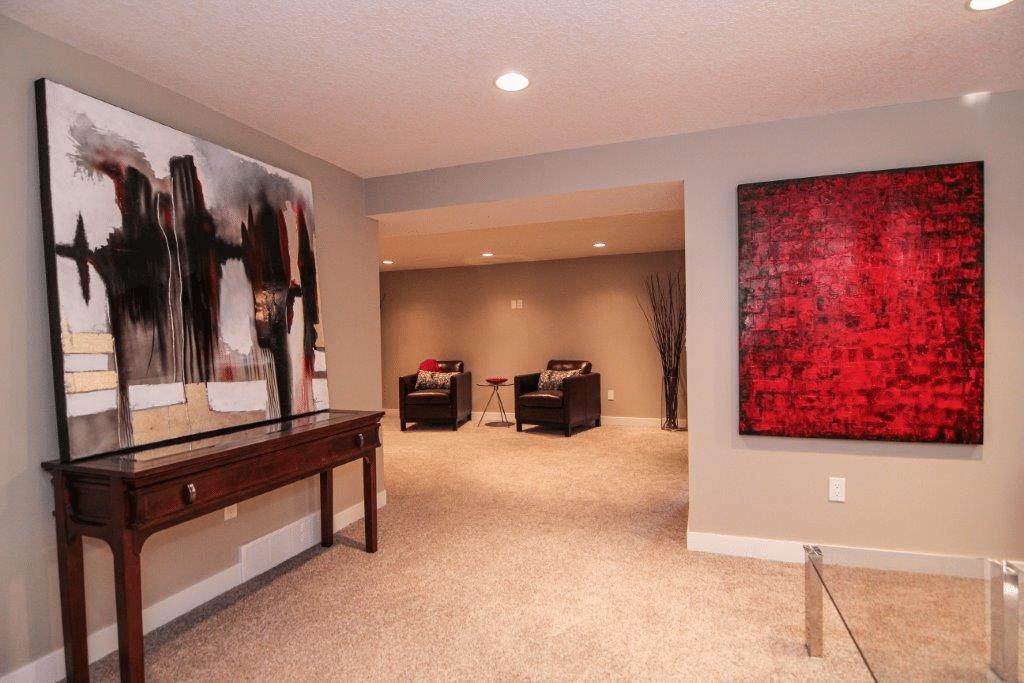
Turning Your Basement into a Cozy Haven: Creative Renovation Ideas
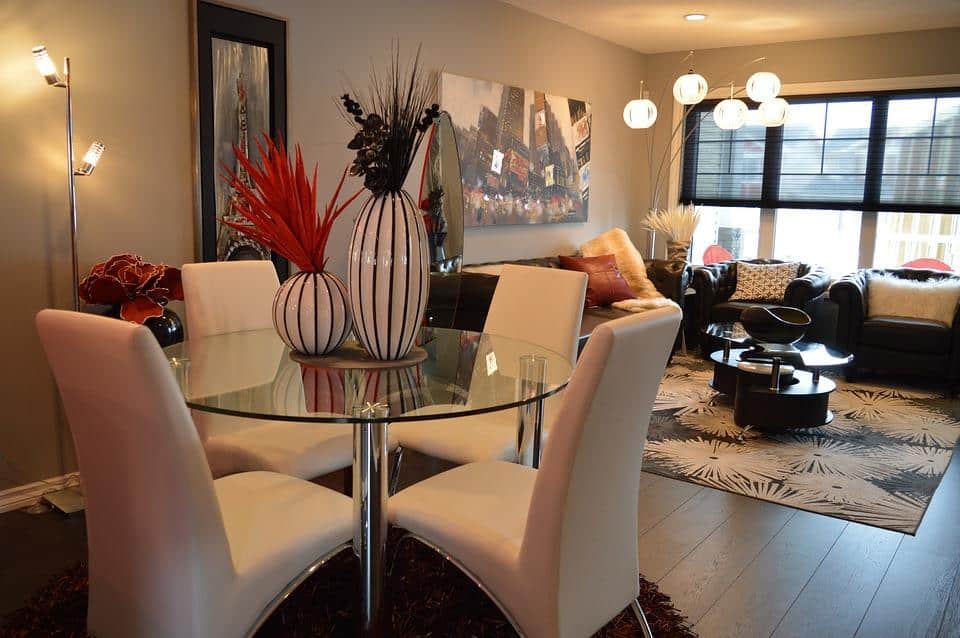
How to Use the 3 Main Types of Lighting to Transform Your Home

8 Renovations that Add Value to Your House

Stocking Stuffers for Home Lovers (Under $50): Thoughtful Gifts That Make Everyday Living Better

Designing a Home Gym: What Should You Consider When Renovating Your Workout Space?

Planning a Complete Home Renovation in Calgary

The Ultimate Guide to Home Renovations: Transforming Your Space and Enhancing Your Lifestyle
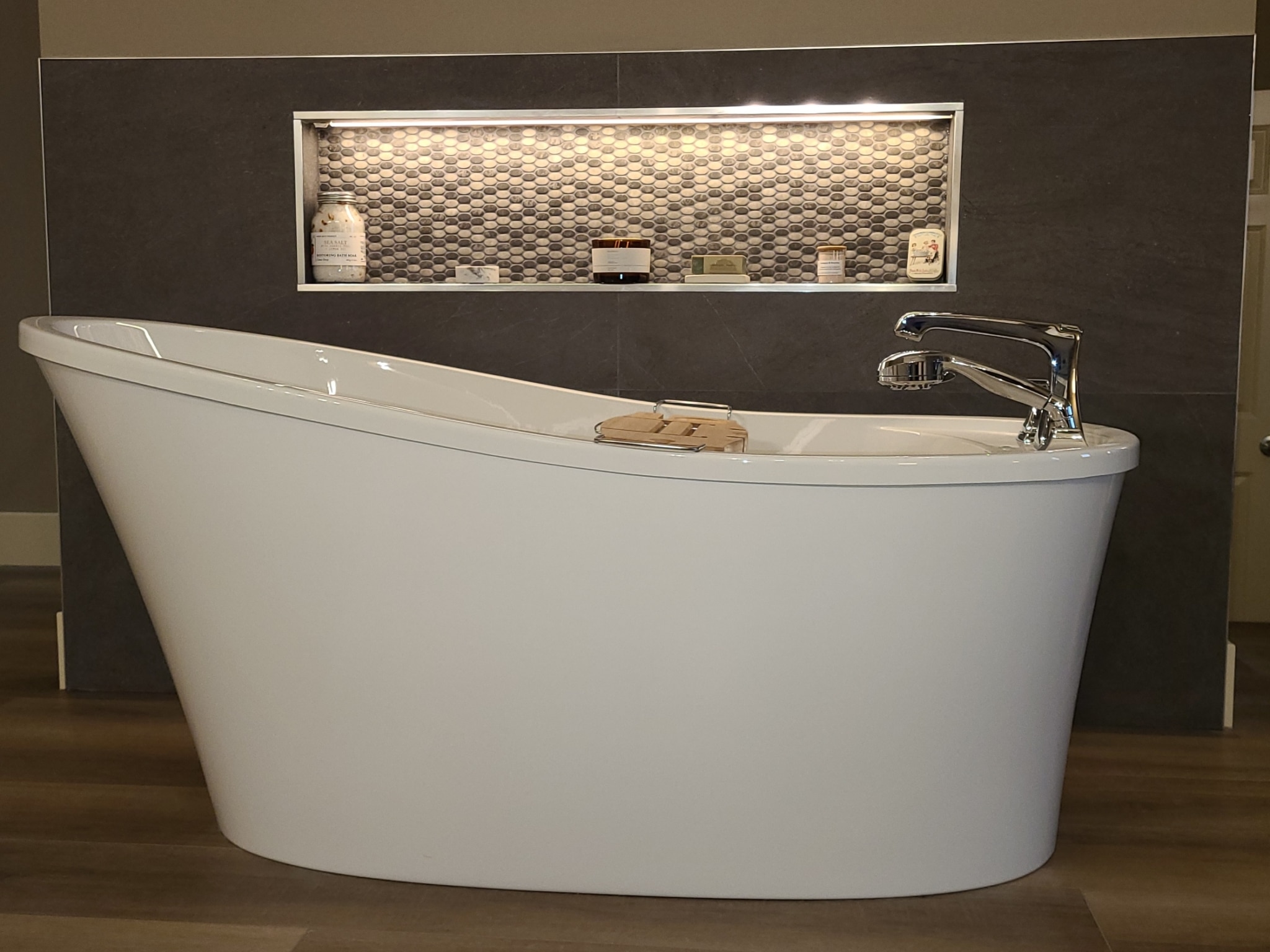
Renovations – Importance of Good Design