


LifeStyle Renovations Blog
Designing a Home Gym: What Should You Consider When Renovating Your Workout Space?


With the rise of at-home fitness and the increasing desire for convenient, personalized workout options, many homeowners are choosing to create their own dedicated exercise spaces. Renovating a home gym doesn’t just save time and money—it offers complete control over layout, equipment, atmosphere, and long-term training goals. Whether you want a high-energy cardio zone or a peaceful space for stretching and mobility, thoughtful planning will help you maximize results.
What Space Should You Use for Your Home Gym?
Before starting any renovation, carefully assess the space you have available. Measure the dimensions, note ceiling height, and identify structural features like support beams, windows, or utility panels that could influence your layout. Popular choices include spare bedrooms, basements, garages, and large open areas that can be zoned for fitness. Ensuring the space offers adequate airflow and natural or artificial lighting is essential for long-term comfort.
Once you know your measurements, think about how the room can be optimized for movement. For example, basements tend to be quieter, cooler, and more private, making them ideal for full setups. Garages may require climate control but offer excellent flexibility. Even a small unused corner can become a functional fitness nook with the right planning. Your goal is to choose a space that feels inviting, energizing, and practical for your routine.
Because every home is unique, consider how renovation upgrades could eliminate limitations. Adding ventilation, reinforcing floors, improving insulation, or installing additional lighting can transform an average room into a highly efficient personalized gym. For inspiration, you can explore basement renovation projects that showcase how underused areas can be completely reimagined.
What Fitness Goals Should Guide Your Home Gym Design?
Your fitness goals play a major role in determining how your gym will be laid out. Ask yourself whether you’re focused on building muscle, improving cardio endurance, enhancing flexibility, or starting a combination routine. For example, weight training requires sturdy floors and spacing for racks and benches, while yoga and Pilates call for open, quiet areas with soft lighting and calm décor.
Once your goals are clear, designing zones within your gym becomes easier. A cardio zone may benefit from a wall-mounted TV or sound system, while a strength zone may need wall-mounted storage or reinforced flooring. Identifying your primary purpose early prevents unnecessary purchases and ensures your renovation dollars are spent wisely.
As your needs evolve over time, your goals may shift. Planning a flexible layout—one that can easily adapt as your fitness increases—ensures your gym remains functional for years to come. This may include movable equipment, modular storage, or multi-use workout tools that support a growing exercise routine.
What Equipment Should You Include in a Home Gym?
Choosing the right equipment is essential for creating a well-rounded and effective workout space. Start with the basics aligned with your goals: cardio equipment such as rowing machines, treadmills, or stationary bikes; strength tools like dumbbells, barbells, benches, and resistance bands; and functional items like stability balls, kettlebells, medicine balls, or suspension trainers.
Make sure your equipment selections fit comfortably within your available space. There should be enough room to move safely, perform full exercise motions, and navigate between equipment without risk of injury. Investing in durable, reputable brands is also important—you want equipment that stands up to long-term use.
Additionally, consider equipment that supports multi-purpose training. Adjustable dumbbells, convertible benches, and foldable cardio machines can help maximize small spaces. Don’t forget recovery tools such as foam rollers and massage balls, which support mobility and injury prevention—both crucial parts of an effective fitness routine.
What Flooring Is Best for a Home Gym Renovation?
Flooring is one of the most critical—and most overlooked—parts of a home gym. Shock-absorbing, durable materials such as rubber tiles, foam flooring, or interlocking mats provide cushion, reduce impact on joints, and protect your subfloor from heavy equipment. These materials also help minimize noise, an important factor for gyms located above or beside living spaces.
High-quality gym flooring is also easier to maintain. Sweat, chalk, and dirt can accumulate quickly, so choose flooring that wipes clean and resists moisture. Non-slip textures can further reduce the risk of accidents, especially during intense or fast-paced workouts.
When planning a full renovation, consider enhancing your flooring through leveling work, subfloor reinforcement, or water-resistant materials—particularly in basements. These upgrades ensure your gym can handle heavy equipment and maintain longevity without requiring major repairs later.
How Should You Use Lighting and Mirrors in Your Home Gym Design?
Lighting heavily influences mood, motivation, and safety. Natural light is ideal, but if your gym is in a basement or garage, bright LED fixtures can help illuminate your entire workout area evenly. Adjustable lighting—such as dimmable LEDs—allows you to create high-energy brightness for cardio sessions or softer lighting for stretching or yoga.
Mirrors are another powerful design element. They help monitor form, visually expand small spaces, and create a professional studio vibe. Full-wall or full-length mirrors placed across from your workout zone can enhance both aesthetics and functionality.
Well-planned lighting and mirrors can turn an ordinary room into a visually inspiring fitness area. Consider accent lighting, backlit mirrors, or targeted spotlights for specific zones. These additions contribute to a motivating ambiance that makes every workout session more enjoyable.
How Can You Create a Motivating Atmosphere in Your Home Gym?
Beyond equipment and layout, your gym should feel inspiring. Consider paint colours that energize or soothe depending on your preferred workout style. Motivational quotes, wall art, plants, or a personalized theme can make the space feel uniquely yours and encourage consistency in your fitness routine.
A great atmosphere also involves sound. Bluetooth speakers, soundbars, or integrated ceiling speakers can create an immersive workout environment. Music, podcasts, or virtual fitness classes all benefit from a solid audio setup. Don’t underestimate scent, either. Essential oil diffusers or air purifiers help maintain a fresh, comfortable environment—especially in smaller or enclosed spaces.
A well-designed atmosphere boosts motivation and makes your home gym a place you look forward to using every day. By integrating colour, texture, décor, and audio/visual elements, your workout area becomes both functional and emotionally uplifting.
How Can You Keep Your Home Gym Organized?
Smart organization keeps your gym clean, safe, and efficient. Wall-mounted racks, floating shelves, cubbies, or storage benches help reduce clutter while offering easy access to essentials like towels, water bottles, or resistance bands. Pegboards are great for hanging small tools and accessories, keeping them visible and organized.
Clear storage solutions—like labeled bins or transparent shelving—simplify finding what you need quickly. Vertical storage is particularly useful in compact gyms, freeing up floor space for movement and equipment placement. Maintaining organization also improves safety by eliminating trip hazards and keeping heavier tools secured properly.
As you continue using your home gym, your storage needs may evolve. Leave room for growth by incorporating modular or adjustable systems. This ensures your space remains functional even as you expand your equipment collection.
What Safety Measures Should You Include in Your Home Gym Renovation?
Safety should always be a top priority. Ensure equipment is properly assembled and anchored. Heavy racks, wall-mounted systems, and pull-up bars must be secured to studs or reinforced walls. Use non-slip mats, safety bars, or handrails if the room layout requires them.
Clear walkways and adequate spacing between equipment are essential to reduce the risk of accidents. Make sure electrical outlets are safely installed, cords are secured, and all lighting fixtures are positioned to prevent shadows during workouts. Additionally, if you have children or pets, consider locks or barriers to keep the area safe when not in use.
A well-designed gym prioritizes long-term safety. By planning for proper anchoring, spacing, and environmental factors, you can protect yourself and others while ensuring your gym functions smoothly.
Why Is Ventilation and Climate Control Important for a Home Gym?
Good ventilation prevents overheating and helps control moisture, odors, and air quality. If your workout space lacks windows or natural airflow, consider installing ceiling fans, exhaust fans, or portable air purifiers. Each option supports effective air circulation and contributes to a more pleasant workout environment.
Climate control is equally important. Heated floors, portable heaters, or air conditioning units can regulate temperatures to keep the space comfortable year-round—especially during Calgary’s cold winters and hot summers. Proper climate control also protects equipment, flooring, and walls from extreme temperature-related damage or humidity issues.
By investing in better ventilation and climate control, you create a safer, healthier environment that supports consistent training without discomfort.
How Can You Design a Flexible, Multi-Purpose Home Gym?
A flexible gym layout helps you maximize the space for multiple activities. Foldable benches, collapsible squat racks, or multi-use machines allow you to create temporary setups that disappear when not in use. This is especially useful in dual-purpose rooms like basements or multipurpose studios.
Movable storage systems also increase flexibility, allowing you to rearrange the space depending on your workout. Yoga mats, resistance bands, and compact tools can be stored neatly when switching to a cardio or strength session. If your space doubles as a guest room or office, consider Murphy beds, partition walls, or sliding storage for maximum adaptability.
Designing for flexibility ensures your space can evolve with your lifestyle—accommodating everything from fitness routines to family needs. A well-planned multi-purpose layout is a great way to get even more value from your renovation investment.
How Can Technology Improve Your Home Gym Experience?
Modern technology brings convenience and enhanced training options. Wall-mounted TVs, tablets, and projectors allow you to follow virtual workout classes or connect with online trainers. Smart speakers provide hands-free control of music, timers, and fitness apps.
Wearable tech—like smartwatches and fitness trackers—helps monitor heart rate, calories burned, and overall progress. These tools can also sync with apps to track long-term goals. You can even install smart lighting or climate systems that adjust automatically based on your workout type.
Integrating technology makes your gym interactive, engaging, and more efficient. Whether you prefer guided sessions or self-paced routines, these tools elevate your training experience. For more renovation and lifestyle ideas, you can browse additional home renovation articles on our blog.
Should You Hire a Contractor to Build Your Home Gym?
Hiring a contractor offers significant advantages. A professional understands technical requirements, safety best practices, and layout optimization—ensuring your gym is functional and custom-built for your goals. They can help translate your vision into a polished, structurally sound space that feels cohesive and efficient.
Contractors also save time and avoid costly DIY mistakes. They manage the project from start to finish, coordinate with subcontractors, and source the best materials at competitive prices. Their industry expertise ensures proper electrical setup, ventilation planning, soundproofing, and flooring installation.
More importantly, contractors ensure your renovations meet building codes and safety standards. They offer warranty protection, ongoing support, and peace of mind that the space was built correctly. To explore how our team can help, contact Lifestyle Renovations to discuss your home gym project and book a consultation.
Final Thoughts: How Do You Build the Perfect Home Gym?
Designing a home gym involves strategic planning, smart equipment choices, safety considerations, and a motivating atmosphere. Whether you’re creating a high-performance training zone or a calming wellness retreat, a well-designed gym brings convenience, flexibility, and long-term health benefits.
With thoughtful renovation—and the support of an experienced contractor—you can build a home gym that inspires consistency and enhances your overall fitness experience. If you’re ready to transform unused space into a functional workout area, the team at Lifestyle Renovations is here to help you bring your vision to life.
From concept and design to construction and finishing touches, a professionally planned home gym can become one of the most valuable and well-used rooms in your home.
Planning a Home Gym Renovation
A successful home gym starts with more than equipment. Flooring, lighting, ventilation, storage, electrical needs and room layout should work together before construction begins.
Related Posts
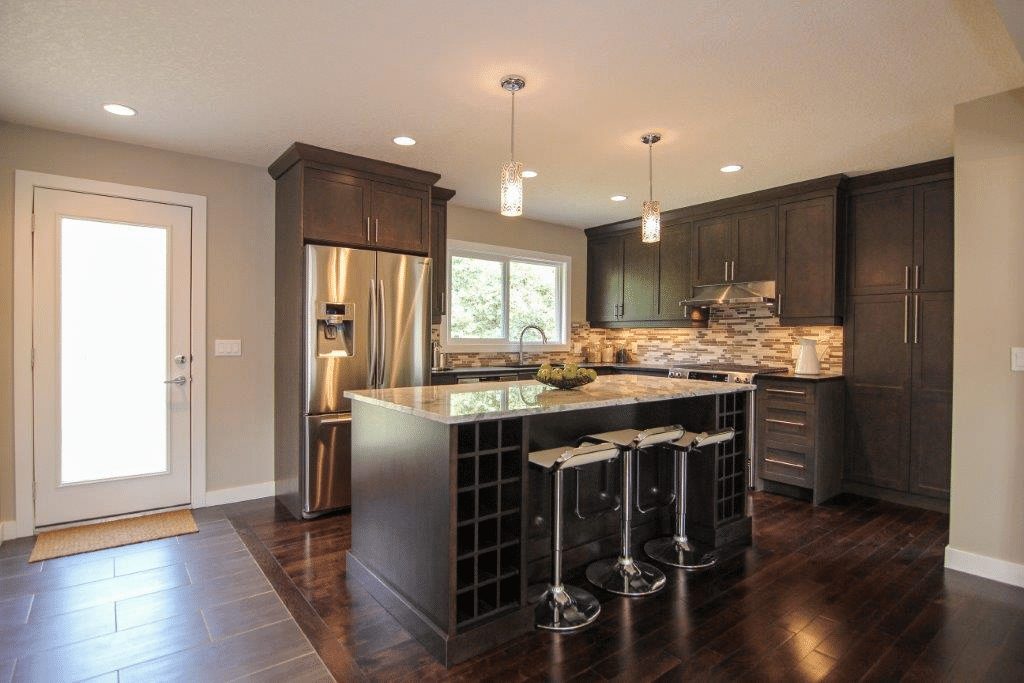
Renovating for Resale: Which Home Improvements Can Add the Most Value?

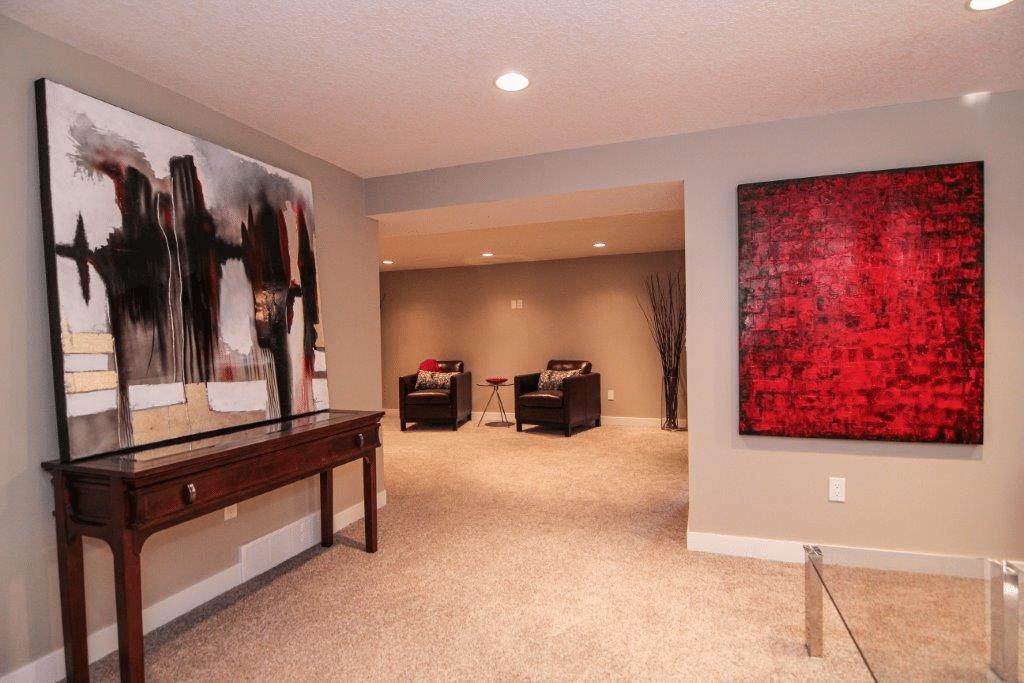
Turning Your Basement into a Cozy Haven: Creative Renovation Ideas

8 Renovations that Add Value to Your House
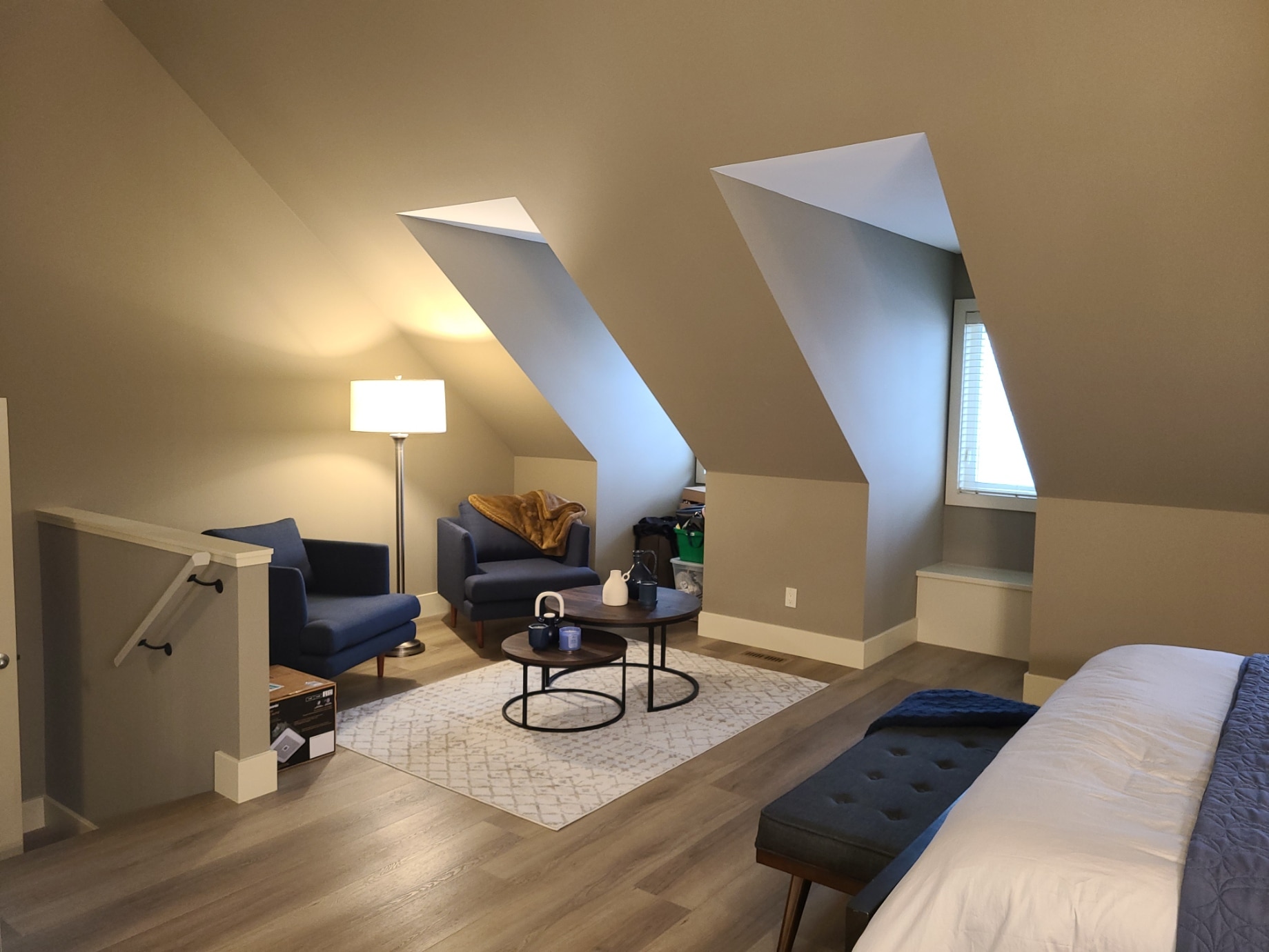
Master Suite Design Guide: How to Create a Luxurious Retreat at Home
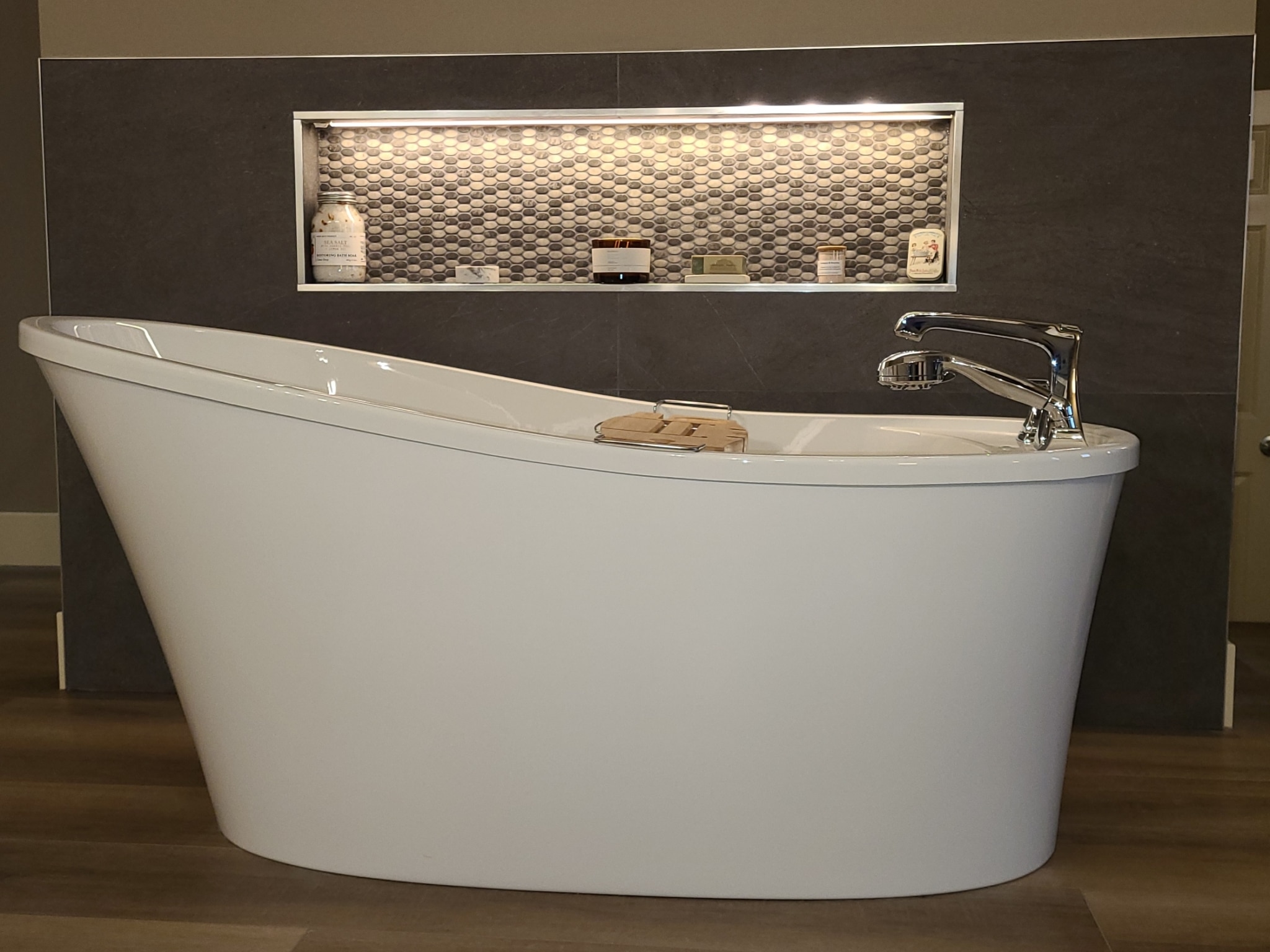
Renovations – Importance of Good Design

10 Critical Top Questions to Ask Your Contractor Before Hiring

FREE Guide to Hiring a Contractor

Expert Tips for a Fully Winterized and Cozy Home This Winter

Top 7 Small Space Renovation Ideas

Prepare Your House for the New Year with a Stunning Renovation!
Double Pane Windows vs Triple Pane Windows – What is the Difference?