


LifeStyle Renovations Blog
Which 10 Guest Bedroom Renovation Ideas Will Make Visitors Feel at Home?

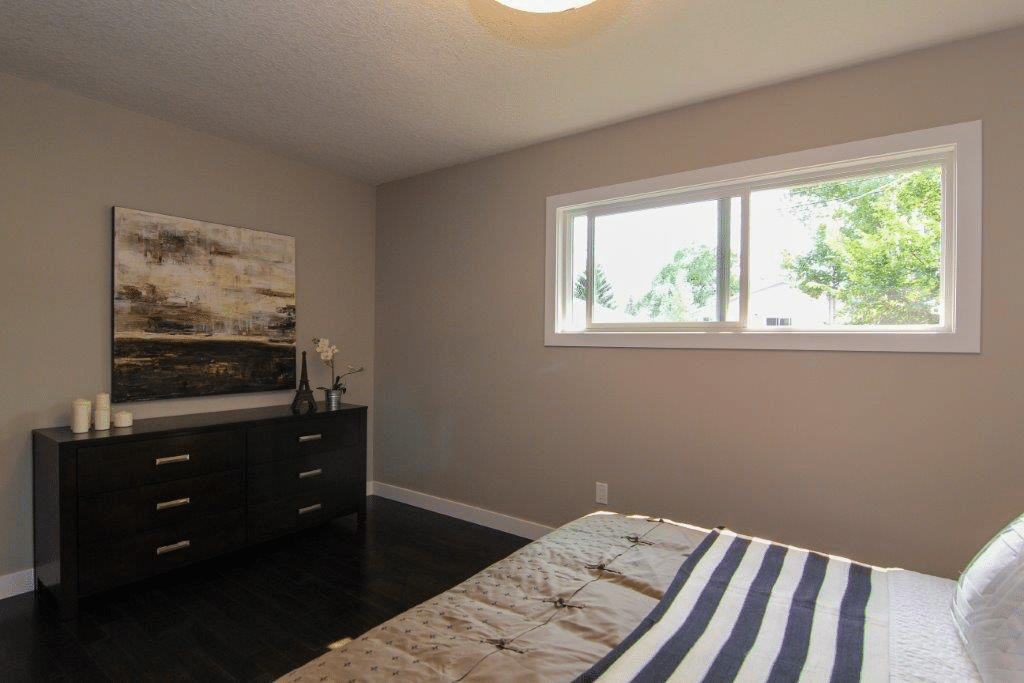
A guest bedroom does not need to look like a hotel suite to make visitors comfortable. It needs a good place to sleep, useful lighting, privacy and somewhere to put a suitcase. When those basics work, the decorative details become easier to choose—and the room feels welcoming without being crowded.
For many Calgary homeowners, the challenge is making a spare bedroom useful between visits. The same room might serve as a home office, a reading space or occasional accommodation for family. A thoughtful guest bedroom renovation can support those everyday uses while giving visitors a room that feels ready for them.
The best guest bedroom renovation ideas start with the existing space: its size, windows, storage, temperature and connection to the rest of the house. Painting and new bedding may be enough for some rooms. Others benefit from electrical work, improved closets or a different layout. These ten ideas will help you decide what is worth changing and how to bring the room together.
What Should You Decide Before Renovating a Guest Bedroom?
Think about who usually stays and how long they visit. A couple staying for a week may appreciate a permanent bed and empty drawers. A relative who works remotely may need a proper desk. If older family members visit, clear circulation and easy-to-use lighting may matter more than decorative features.
Also decide what the room should do when nobody is visiting. Be specific about its secondary purpose. A home office has different storage and electrical needs than a hobby room. Giving the room several vaguely defined jobs often leads to a crowded space where no activity works especially well.
Walk through the room before making a shopping list. Notice a door that catches on furniture, a ceiling light that leaves the bedside dark or a closet filled with household storage. Write down the problems guests would encounter. These observations help you spend on useful improvements rather than replacing things that already work.
Finally, identify the work that needs to happen before decorating. Repairs, wiring changes and flooring should be coordinated before the bed and accessories arrive. If your plans involve more than a refresh, our home renovation design services in Calgary can help connect the layout and material choices with the construction scope.
1. How Can You Improve the Guest Bedroom Layout Before Adding Furniture?
Start by measuring the room, including door swings, closet openings, windows and fixed features. Then draw the proposed furniture to scale. Measure the actual bed frame, rather than relying only on mattress dimensions; upholstered frames and footboards can occupy considerably more space.
Position the bed so guests can enter easily, reach their belongings and use the closet. In a room for two visitors, access to both sides is often more comfortable than pushing the bed against a wall. If space does not allow that, consider whether a different bed size or furniture arrangement would better suit the usual visitors.
Check what happens when the room is in use. Open dresser drawers, extend the luggage rack and pull out a desk chair. A layout can look generous on paper until these items occupy the same walkway. Keep the route from the bed to the door clear, including at night.
Avoid placing the bed where it blocks heating registers or prevents practical window access. A headboard may fit on a wall without fitting comfortably beneath its window covering. Check the room’s details together before choosing a final location.
How Can You Test a Layout Without Buying New Furniture?
Use painter’s tape to mark proposed furniture outlines on the floor. Include space for opening drawers and moving a chair. Walk around the outlines while carrying a bag, just as a visitor would. This simple exercise can reveal that a smaller bedside table or a different desk position solves the problem.
If the room feels cramped, remove one item before changing the whole layout. A rarely used bench at the foot of the bed may be taking up the most valuable circulation space. Comfortable movement should determine the arrangement, with symmetry and decorative balance following from it.
2. How Do You Choose a Comfortable Bed and Practical Bedding?
Choose the bed around both sleeping comfort and the room’s dimensions. A larger mattress is not automatically a better choice if guests must squeeze past it or cannot open the closet. Think about who will use it, how often and whether it will remain set up throughout the year.
A permanent bed is convenient for frequent visitors because it requires little preparation. A daybed or sofa bed may make more sense where the room is used for seating most days. Try the sleeping surface and conversion mechanism before purchasing; an attractive piece of furniture can still be awkward to prepare or uncomfortable for a longer visit.
Choose bedding that you can wash and store easily. Fabric feel, construction and care requirements matter more than treating a high thread count as a guarantee of quality. A washable mattress protector, comfortable sheets and bedding suited to the room’s temperature form a useful starting point.
Give guests options without covering the bed in decorative cushions. A lighter blanket and an extra warmer layer let visitors adjust their comfort. If you provide pillows with different firmness levels, make the alternatives easy to find. Leave space to set aside any decorative bedding at bedtime.
Would a Wall Bed Make Better Use of the Room?
A wall bed can free floor space when visitors are away, but it needs careful planning. Check the manufacturer’s requirements for installation, wall attachment, mattress compatibility and operating clearance. The desk, chair or rug must not interfere with opening it.
Consider who will prepare the bed. A solution that requires moving several heavy pieces every time may not be the convenience you expected. Compare the complete setup with a permanent bed and a smaller desk before committing to built-in cabinetry. The best choice is the one your household will use comfortably.
3. Which Storage Improvements Give Guests Enough Room for Their Belongings?
Visitors should not have to live out of an open suitcase on the floor. Provide some combination of empty hanging space, accessible drawers and a place for luggage. Even a modest storage arrangement can make a short stay easier when it is clearly available for guests.
If the closet doubles as household storage, separate its functions. Reserve a visible section with hangers for visitors and place your own belongings in labelled bins or a defined upper area. Guests should not need to move personal items to make space for a coat.
Closet improvements do not always require enlarging the room. A revised shelf arrangement, additional drawers or a more suitable door can help the existing space work better. Measure hanging items and folded belongings before choosing an organizer, and leave room for items that do not fit neatly into small compartments.
Use under-bed storage selectively. It can hold spare linens, but drawer fronts must open without hitting nearby furniture. Keep guest storage distinct from the overflow that accumulates in a spare room. Otherwise, a newly renovated bedroom can quickly become difficult to prepare for visitors again.
Where Should You Put a Suitcase in a Small Guest Bedroom?
A folding luggage rack can be stored between visits and opened when needed. A suitable bench can also work if it leaves the walkway clear and has a surface you can protect from luggage wear. Avoid expecting guests to lift heavy bags onto a high shelf.
Allow room beside the luggage area for packing and unpacking. A rack wedged behind a door solves little. Where floor space is tight, an empty dresser drawer and a clear closet shelf may be more practical than adding another piece of furniture. Design storage around use, not just the number of compartments.
4. How Can Better Lighting and Outlet Placement Improve a Guest Bedroom?
A single ceiling fixture rarely handles everything guests need. Plan general lighting for moving around, focused lighting for reading or working, and a gentler option for the evening. Each should be easy to operate without an explanation of several unfamiliar controls.
Bedside lighting deserves attention early in the layout. Visitors should be able to switch off the reading light from bed, and two guests may appreciate independent lights. Wall-mounted sconces can free a small bedside surface, provided their position suits the bed and they do not shine directly into a person’s eyes.
Provide reachable power near the sleeping and working areas. If new outlets or hardwired lights are part of the renovation, finalize the furniture layout before electrical work. Receptacles hidden behind a bulky headboard are inconvenient, even when the room technically has plenty of them.
For more on balancing lighting functions, see our guide to the three main types of home lighting. A guest bedroom benefits from a coordinated plan that supports reading, getting dressed and settling in at night.
Which Technology Will Guests Actually Find Useful?
Reliable Wi-Fi information and an accessible charging location usually matter more than an elaborate entertainment setup. Keep a standard outlet available even if you add charging ports, because visitors bring different cables and devices.
If the room has smart lighting, provide straightforward controls that work without a guest downloading an app. Avoid making basic comfort depend on a voice command or account login. A simple lamp, a clear switch and a short note about Wi-Fi can make the room easier to use than a collection of gadgets.
5. What Window Coverings Will Give Guests Privacy and Better Light Control?
Check the room from outside as well as inside. A bedroom facing the street may need daytime privacy, while a rear-facing room might receive strong morning light. Calgary’s long summer daylight makes effective light control especially useful for visitors who want an early bedtime or a late morning.
Choose coverings around the actual window and how it opens. Room-darkening or blackout products can limit incoming light, but gaps around the sides may still admit it. If darkness is a priority, discuss the fabric, mounting and edge coverage together rather than relying only on the product label.
Layered coverings can offer flexibility. A light-filtering shade may provide daytime privacy, with curtains adding stronger light control at night. Keep the arrangement manageable and leave access to window hardware. Heavy layers that are difficult to operate can be frustrating in a room guests are learning to use.
Where children live or visit, consider cordless options and check the whole product for accessible cords. Health Canada’s window covering safety guidance explains the risks associated with corded coverings. Safety should be part of the selection, even if young visitors stay only occasionally.
Should You Replace the Window During the Renovation?
Investigate a persistent draft, difficult operation or visible moisture damage before installing new curtains. A decorative covering will not repair a failing frame or solve every condensation problem. Have the existing condition assessed so the proposed work addresses the cause.
Window replacement can affect trim, wall finishes and the project scope. If it is needed, coordinate it before final painting and window-treatment measurements. When the bedroom is in a basement, discuss any applicable escape requirements as part of the broader renovation assessment.
6. How Can You Make the Guest Bedroom Quieter and More Comfortable?
Identify what makes the room uncomfortable before choosing a product. You may hear conversations through the door, footsteps from above or television sound from an adjoining room. These are different problems, and their solutions may involve more than adding soft furnishings.
A rug, curtains and upholstered furniture can help soften the room’s acoustics, but they should not be presented as soundproofing. If sound transmission is a major concern, ask your contractor about the relevant walls, ceiling, door and other paths the noise may follow. Discuss realistic expectations before the assemblies are changed.
Temperature matters just as much. Spend time in the room with the door closed and notice whether it becomes noticeably warmer or cooler than nearby spaces. Keep furniture away from supply and return air openings. If comfort remains poor, have the heating and ventilation arrangement assessed rather than covering the symptom with another accessory.
Guests also need to understand how to make simple adjustments. Explain any room-specific controls and leave extra bedding where it is easy to find. A clear routine makes the room more comfortable without requiring visitors to ask about every small detail.
Should You Add Carpet or Use a Rug Over Hard Flooring?
Carpet can provide a softer surface underfoot, while hard flooring may suit your household’s cleaning preferences and the adjoining rooms. Consider maintenance, wear, transitions and the existing subfloor when comparing options. Neither choice automatically addresses noise travelling through the building.
If you choose a rug, make sure it stays in place and does not interfere with doors or create a curled edge in the walking route. Check it with the actual bed and furniture arrangement. A decorative rug is only useful if it remains practical when someone gets up in the dark.
7. Which Colours and Wall Treatments Make a Guest Bedroom Feel Welcoming?
Begin with the room’s light and existing finishes. A paint colour that looks warm beside one floor may appear quite different beside another. Test samples in the actual room and look at them during the day and under the lamps you plan to use.
Light neutrals can provide a flexible backdrop, but a guest bedroom does not have to be white to feel inviting. Muted greens, blues or warmer earth tones may suit the house. Choose a palette you enjoy and use contrast deliberately so doors, furniture and accessories remain visually clear.
One focal point is often enough. It might be a painted wall behind the bed, a framed print or a restrained wallpaper pattern. Avoid combining several strong treatments simply because each looks attractive on its own. The bed, lighting and wall finish should work together rather than compete for attention.
If you like panelled walls, consider trim proportions, outlet locations and cleaning. Added material can affect how furniture sits against the wall and how existing baseboards meet the new treatment. Plan these details before installation so the finish looks integrated with the room.
How Can Artwork and Natural Materials Add Character?
Choose artwork suited to the wall and secure it appropriately. A small grouping may work better than a heavy oversized piece above the pillow area. Leave enough space around it that the arrangement does not feel squeezed between sconces or a tall headboard.
Wood furniture, woven textures and a modest plant display can introduce visual warmth. If you add a living plant, choose a location with suitable light and protect the surface beneath it. Keep bedside space available for guests instead of filling it with decorative objects they must relocate.
8. How Can a Guest Bedroom Double as a Home Office?
Give the room a clear plan for working days and guest stays. Start with a desk that supports the work you actually do, including a comfortable chair position and appropriate lighting. Then decide what must be cleared or stored when visitors arrive.
Closed storage is useful for paperwork, equipment and supplies. It lets you prepare the room without stacking work items on the bed or moving everything elsewhere. Keep any confidential materials securely stored and make it clear which drawers guests can use.
Arrange the desk so its chair does not block the room’s main walkway or interfere with opening a convertible bed. Check monitor glare during the hours you usually work. A desk tucked into the only bright corner may need different window coverings than the sleeping area.
Our article on remodelling your home office offers more ideas for a functional workspace. In a shared guest room, those choices should be coordinated with sleeping comfort and straightforward preparation between visits.
How Can You Keep the Room From Feeling Like Temporary Accommodation?
Make the guest setup complete, even if it is only used occasionally. Provide a light, accessible power, a place for clothing and somewhere to set personal items. Guests should not have to sleep beside active work equipment or balance a glass on a stack of files.
Store the bedding together so changing the room takes a manageable amount of time. If it takes an afternoon to move furniture and unpack linens, the setup may be too complicated. A smaller desk or simpler bed arrangement can sometimes serve both purposes better than an elaborate multifunctional installation.
9. Where Can You Add a Reading Area or Practical Seating?
A guest may want somewhere to read, put on shoes or sit while making a call. If the room has space, a comfortable chair and a small surface can provide that option without turning the bedroom into a second living room.
Choose seating that fits the available area after the bed and circulation are settled. Measure its depth and allow for the space needed to sit down. A large armchair may look appealing but overwhelm a room where a modest chair would be more comfortable to use.
Place the seat near suitable lighting and somewhere to put a book or cup. Avoid a floor lamp with a base that narrows the walkway. If you provide books, keep the selection small enough that the shelf still leaves room for visitors’ belongings.
Seating is optional. In a compact guest bedroom, a usable luggage area or clear bedside surface may be a better priority. Do not add a reading nook just to complete a list of amenities. The room should support the stay, with furniture chosen for the space that remains.
Could a Window Seat Work Better Than a Separate Chair?
A window seat can combine seating and storage, but it needs careful dimensions. Consider cushion thickness, comfortable depth, access to the window and any heating below it. A shallow decorative ledge will not necessarily be a comfortable place to sit.
Have the design reviewed as part of the renovation rather than fitting a cabinet into the opening without considering the surrounding conditions. Keep ventilation and window operation clear. If a built-in seat would complicate the room, a removable chair may offer useful flexibility at a lower commitment.
10. Which Finishing Details Make Visitors Feel Considered?
Small conveniences become noticeable when someone is away from home. Provide a mirror in a useful location, hooks for clothing, a clear bedside surface and a place for towels if the bathroom is shared. These details help guests settle in without repeatedly asking where things belong.
A welcome basket can be simple: drinking water, a spare charging cable or basic toiletries. Choose items your usual visitors are likely to use. Avoid making strong fragrance part of the room’s identity, particularly when you do not know a guest’s preferences or sensitivities.
Leave a brief note with Wi-Fi details and any practical information about the house. Mention the location of extra blankets and the bathroom if it is not obvious. Keep instructions short enough to read at a glance; the room should mostly explain itself through a sensible layout.
Choose decor that is easy to maintain between visits. Washable throws, accessible surfaces and a small number of accessories make preparation quicker. A guest bedroom feels cared for when it is clean and ready, not because every spare corner contains another decorative feature.
What Should You Check Before the First Guest Arrives?
Spend a night in the finished room if possible. Try the lights from bed, charge your phone and find a place for a bag. Notice glare, noise, temperature and anything that requires an awkward reach. This test often reveals small improvements that are easy to make.
Also check that windows and doors operate as intended and the room has been properly cleaned after the work. Follow product instructions for drying and curing before guests use it. Finishing the construction is one step; making the room comfortable and ready is the final one.
How Can You Renovate a Small Guest Bedroom Without Making It Feel Crowded?
Choose fewer pieces that perform their jobs well. A suitably sized bed, two narrow bedside surfaces and useful closet space may provide more comfort than a large bed surrounded by extra seating and storage. Empty floor space is valuable when visitors bring luggage.
Wall-mounted lights and shallow shelving can free surfaces, but they still need to be positioned thoughtfully. Leave space around the pillows and avoid shelves that guests might bump when getting up. Vertical storage is helpful when frequently used items remain within a comfortable reach.
Mirrors can reflect light and add visual depth, but they do not create circulation space. Check what the mirror reflects before installing it: a clear view or a window usually works better than a cluttered storage area. Mount heavier mirrors appropriately and consider whether glare will be distracting from bed.
For a narrow room, compare alternatives rather than forcing a standard symmetrical layout. One bedside cabinet and a compact surface on the other side may work. A folding luggage rack can disappear between visits. Test each decision against comfort and movement instead of trying to fit every guest-room feature into the plan.
What Should You Consider Before Adding a Guest Bedroom in a Calgary Basement?
A basement bedroom needs more assessment than a fresh coat of paint and a bed. Check the existing space for moisture concerns, temperature problems and the suitability of the proposed layout. Resolve underlying conditions before installing finishes that would make future access difficult.
Discuss the room’s intended sleeping use with your contractor, including applicable window escape provisions, alarms and ventilation requirements. An existing basement window should not be assumed suitable just because it opens. Avoid choosing a room location before the relevant requirements have been assessed.
Review the City of Calgary’s home renovation and basement guidance early in planning. The permit path depends on the proposed work and existing conditions. A guest bedroom for visiting family should also be distinguished from plans for a separate secondary suite, which involve a different project scope.
Once those fundamentals are settled, focus on daylight, usable lighting and a clear route to the bathroom. A lower-level guest room can feel comfortable when its everyday needs are addressed. Decorative finishes should follow from a suitable, well-planned space.
Do Guest Bedroom Renovations Require Permits in Calgary?
Minor cosmetic work such as painting, finishes and furniture typically does not require a building permit. Larger changes can. The City of Calgary identifies first-time basement development, structural alterations and new openings among the situations requiring building permits; additional trade permits may apply to electrical or plumbing work.
Confirm the requirements for your exact scope before construction. Adding bedside lamps is different from installing new hardwired sconces, and decorating an existing room is different from creating a new bedroom. Use the City’s current guidance and obtain project-specific advice rather than applying a general answer to every room.
Permit requirements should be understood while planning the schedule and budget. They can affect the order of work and the information needed before construction starts.
How Should You Budget for a Guest Bedroom Renovation?
Separate the work into necessary repairs, improvements to function and decorative purchases. Address moisture damage, unsafe conditions or unresolved building issues before allocating money to wallpaper and accessories. The room’s condition determines how far a modest budget can go.
Define the scope clearly when comparing quotes. Painting, flooring, closet work and electrical changes should not be left as broad assumptions. Ask what is included, what remains to be selected and what conditions could affect the price. Furniture and bedding may need their own budget outside the construction work.
Set aside a contingency appropriate to the project rather than spending the entire available amount on visible finishes. Existing conditions and changes to the approved scope can affect cost. Discuss priorities so you know which optional features could be postponed if necessary.
Our home renovation budgeting guide provides further planning considerations. For a guest bedroom, a comfortable sleeping setup and good lighting are often useful early priorities. Custom features should earn their place by improving how the room will be used.
Which Guest Bedroom Renovation Mistakes Are Easiest to Avoid?
Buying furniture before measuring is a common source of frustration. Check delivery access as well as the room layout, especially for a basement or upstairs bedroom. A bed frame that fits the room may still be difficult to carry through the house.
Avoid installing electrical features before the bed and desk positions are settled. Moving a sconce or discovering an outlet behind cabinetry is easier to prevent during design than to correct after finishing. Coordinate the practical details on the same plan.
Do not fill all the new storage with household belongings. Reserve the guest space deliberately and check it before each stay. Likewise, leave clear surfaces instead of using every shelf for decorative objects. Visitors need room for the things they bring.
Finally, do not mistake a decorative improvement for a repair. Curtains will not solve a damaged window, a rug will not fix an uneven subfloor, and scented products will not address a persistent odour. Identify the underlying issue and have it assessed before covering it with a new finish.
How Can Lifestyle Renovations Help You Create a Better Guest Bedroom?
A successful guest bedroom renovation brings the room’s layout, lighting, storage and finishes into one workable plan. It considers the visits you expect and the use your household needs between them. That approach can help a modest room feel more comfortable without adding unnecessary features.
Lifestyle Renovations coordinates home renovation design and construction in Calgary. Whether you want improved closets, updated finishes or a guest room within a larger renovation, start by explaining what does not work in the existing space and what you want it to do.
Bring room measurements, inspiration photos and a list of furniture you intend to keep. Note any concerns about windows, noise or temperature so they can be discussed alongside the visual changes. Clear priorities give the planning conversation a useful starting point.
Contact Lifestyle Renovations to discuss your guest bedroom project. With the right decisions made early, you can create a room that welcomes visitors and remains a useful part of your home throughout the year.
Related Posts
Renovating for Resale: Which Home Improvements Can Add the Most Value?

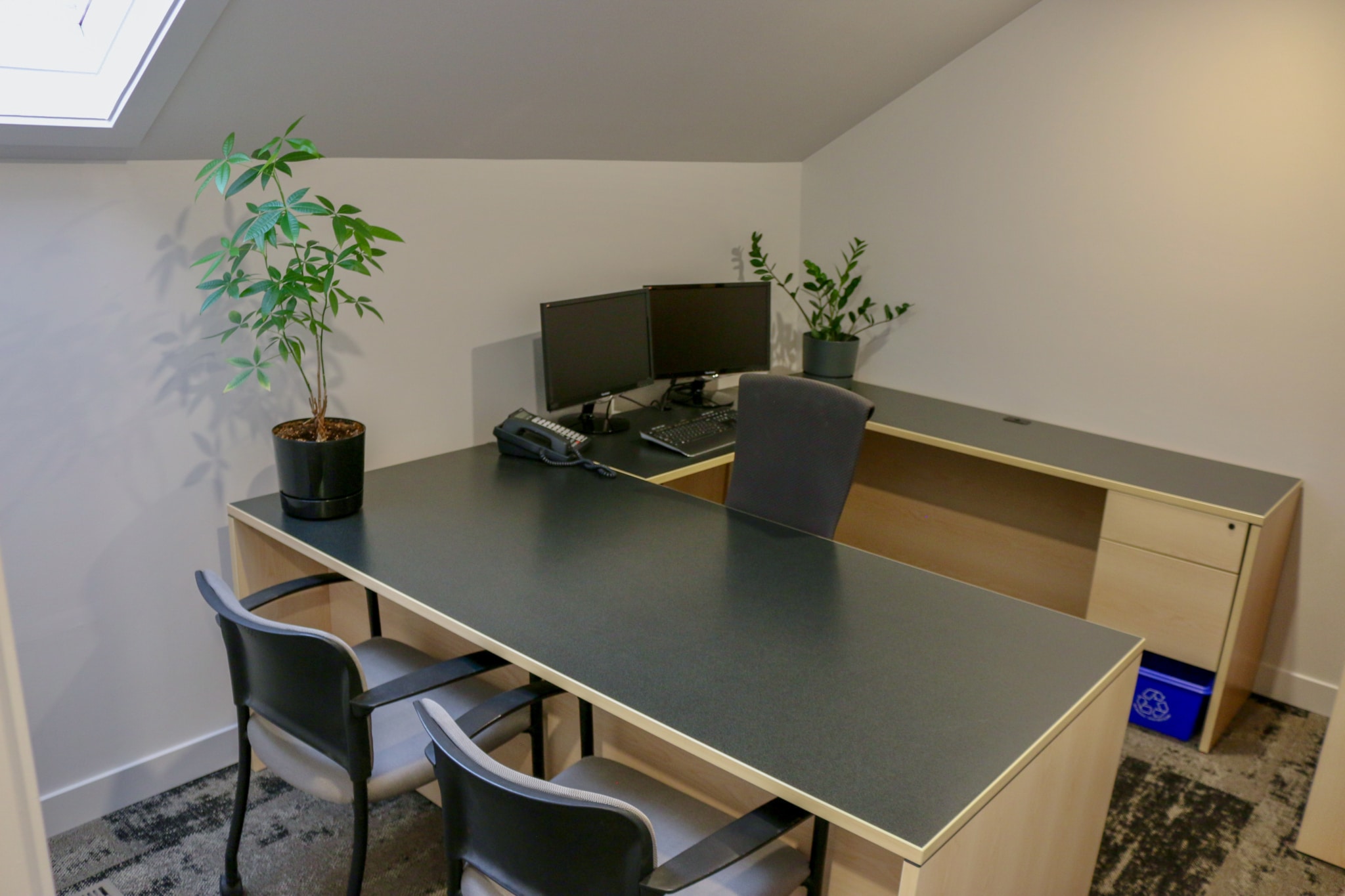
Remodeling Your Home Office: How Can You Create a Stylish and Productive Workspace?
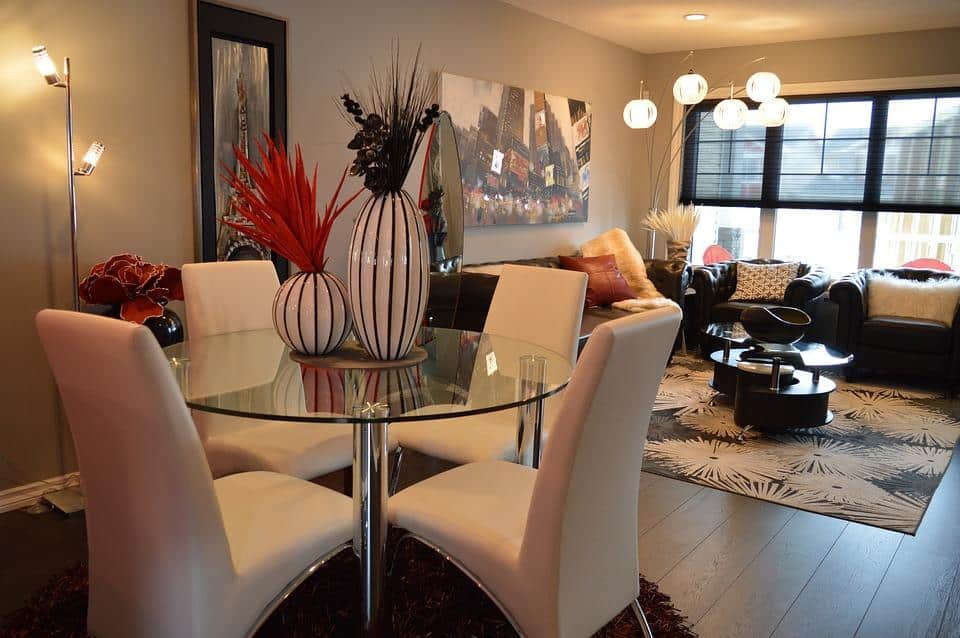
How to Use the 3 Main Types of Lighting to Transform Your Home

8 Renovations that Add Value to Your House

Stocking Stuffers for Home Lovers (Under $50): Thoughtful Gifts That Make Everyday Living Better
Master Suite Design Guide: How to Create a Luxurious Retreat at Home

The Ultimate Guide to Home Renovations: Transforming Your Space and Enhancing Your Lifestyle
Renovations – Importance of Good Design

Exceptional Bathroom Contractors Calgary for Luxury Designs

Smart Budgeting Guide for Home Renovations
Bedroom Renovation – Creating Walk-In Closet

12 Great Home Renovation Preparation Tips to Share with Your Friends