

LifeStyle Renovations Blog
Why Are Indoor Plants a Good Addition to Your Calgary Home?

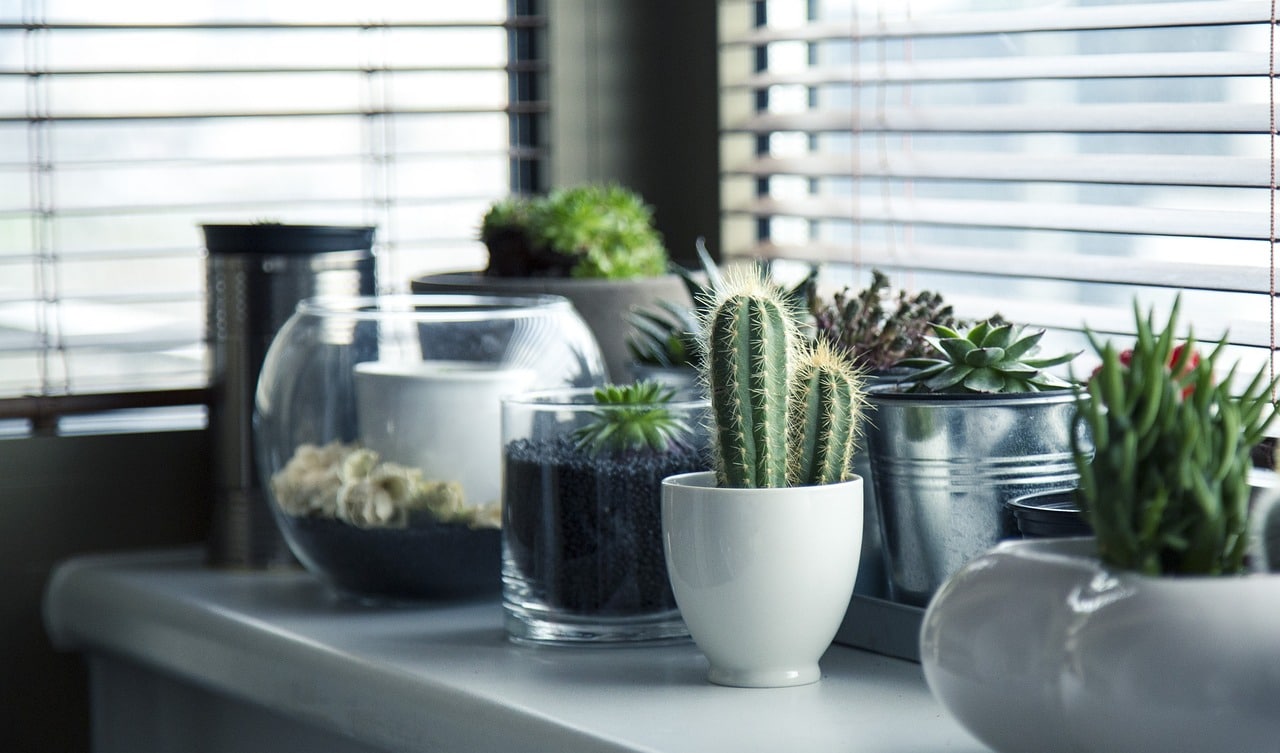
Indoor plants bring colour, texture and a little seasonal continuity to a home. A leafy plant beside a reading chair can make the corner feel more inviting. A small grouping near a kitchen window can break up a long stretch of cabinetry. During a Calgary winter, having something growing indoors can also make the rooms where you spend the most time feel less bare.
The benefits of indoor plants are easiest to enjoy when their placement makes sense. Plants need suitable light, accessible watering and enough room to grow. Your home needs clear walkways, protected surfaces and ventilation that works. Choosing greenery with both sets of needs in mind helps it become a lasting part of your home decor.
Whether you are refreshing a living room or planning a renovation, this guide explains how to choose indoor plants, where to put them and what to consider before adding shelves, planters or built-in displays.
What Are the Main Benefits of Indoor Plants in Home Design?
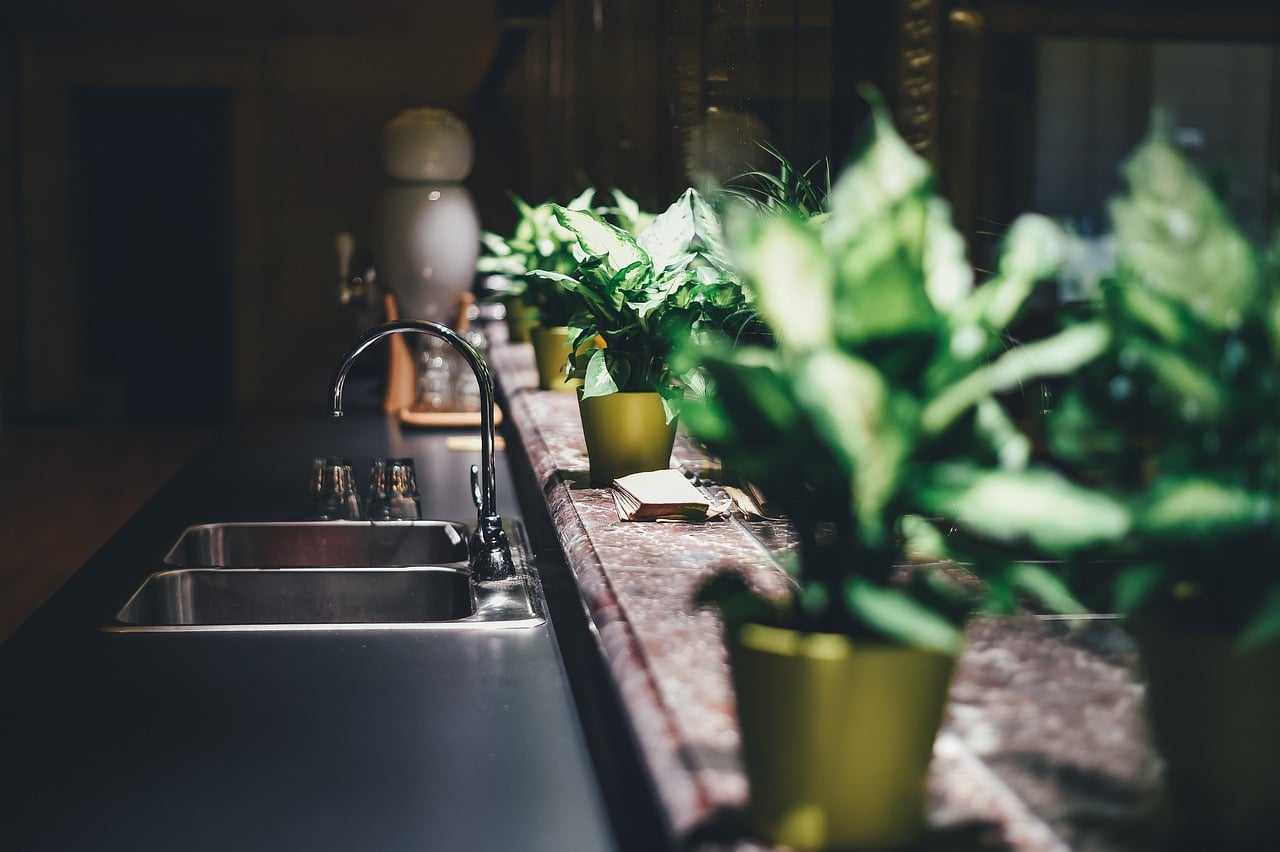
Plants introduce shapes that are difficult to recreate with furniture and finishes alone. Rounded leaves can soften the appearance of straight cabinet edges. Upright foliage can add height beside a low console. Trailing stems can make an open shelf feel less rigid, provided they leave enough space for everyday use.
Greenery also offers a practical way to test a room’s styling. Before purchasing several accessories, try one appropriately sized plant in a spot that feels unfinished. You may find that its colour and shape provide enough interest without adding more decorative objects.
A plant can help connect neighbouring spaces, too. Similar planters in a living room and dining area can repeat a material or colour without making the rooms identical. In an open main floor, that repetition can make different furniture arrangements feel related.
The strongest reason to include plants is that you enjoy living with them. They do not need to perform as medical treatments or household equipment to be worthwhile. A modest collection that fits your home and routine can contribute more to the room than an elaborate display that is difficult to maintain.
Can Indoor Plants Really Improve the Air Quality in Your Home?
Ordinary houseplants should not be relied on to clean household air. Research showing pollutant removal in small, sealed chambers does not establish that a few plants meaningfully remove pollutants in a lived-in home. A review by Cummings and Waring found that typical building air exchange far outperformed the practical contribution of potted plants to removing volatile organic compounds.
For air quality, prioritize controlling pollutant sources, appropriate ventilation and suitable filtration. The EPA’s guidance on improving indoor air quality explains these approaches. Different pollutants need different solutions; a particle filter, for example, does not address every gas or vapour.
This matters during renovations, when dust, adhesives, coatings and new materials can affect indoor conditions. Plants should not be used to compensate for inadequate dust control or ignored product instructions. Discuss ventilation and construction cleanup with your contractor, and follow manufacturers’ directions for drying, curing and occupancy.
Choose plants for their appearance and the pleasure of caring for them. Claims that a snake plant or peace lily will detoxify your newly renovated room create expectations that ordinary houseplants cannot reliably meet.
How Can Plants Help a Room Feel More Relaxing?
A room can feel pleasant without every surface being decorated. One plant beside a chair, a clear view through a window and comfortable lighting may be enough to make a reading area somewhere you want to spend time. Greenery works best as part of that wider setting.
Some people enjoy the routine of checking new growth, watering or removing a damaged leaf. Others find plant care becomes another chore. Choose a collection that reflects your actual interest rather than the number of plants in an inspiration photo.
Think about where you will notice a plant during an ordinary day. A display visible from the sofa may give you more enjoyment than one in a rarely used guest room. A small plant near your work area can be appealing, as long as its pot does not crowd the keyboard or put water near electronics.
Avoid assuming plants will treat anxiety, improve sleep or solve concentration problems. Their value in a room can be simple and personal: you like how they look, you enjoy watching them grow, and they help make the space feel like yours.
What Should You Check Before Buying Indoor Plants?
Start with the available location. How much daylight reaches it? Is it beside an exterior door, above a heating register or within reach of a pet? Can you lift the plant out for watering? A spot that photographs well may still be inconvenient for a living plant.
Consider mature size as well as purchase size. A small floor plant may eventually spread into the walkway beside your dining table. A trailing plant can outgrow a shallow shelf. Allow for the shape of the foliage, rather than measuring only the container.
Look closely at plants before bringing them home. Healthy foliage and an absence of visible pests are better starting points than a bargain plant that already needs extensive care. If you are unsure about its condition, ask nursery staff before buying.
Finally, include the whole setup in your decision. The nursery pot, decorative container, protective tray and stand must work together. A beautiful planter without a workable drainage arrangement can cause more trouble than a simpler container. Buy fewer plants if that leaves room in your budget for a stable, accessible display.
How Do You Match Indoor Plants to Your Home’s Natural Light?
Check light at the intended plant location, rather than judging the room from its brightest window. Distance, curtains, roof overhangs and nearby buildings can change how much daylight reaches a shelf. A location that seems bright to your eyes may offer limited light for growth.
Window orientation is a starting clue. South-facing windows often receive substantial sun, while north-facing windows generally offer less direct sunlight. East and west exposures differ in timing and intensity. Actual conditions matter more than the direction alone.
The University of Maryland Extension’s indoor plant lighting guide explains how light requirements vary. Match the species to the available conditions and remember that tolerating low light is different from thriving in it. No living houseplant can remain healthy indefinitely without an adequate light source.
Before committing to permanent shelving, observe the location at several times of day. If the best display position is too dim, choose another spot or plan appropriate grow lighting. A change to the display is usually easier than repeatedly replacing a plant that cannot grow there.
Which Indoor Plants Are Worth Considering for Different Spaces?
There is no single best indoor plant for every Calgary home. The right choice depends on light, care preferences, available space and household safety. Common names can also be misleading, so confirm the plant’s identity before relying on care or toxicity information.
Would a Snake Plant or ZZ Plant Suit a Smaller Display?
Snake plants provide upright foliage that can suit a narrow visual gap. ZZ plants offer glossy leaves and a fuller outline. Both are commonly considered by beginners and can tolerate lower light, although neither belongs in a permanently dark corner.
They are useful candidates when you prefer plants that do not need constantly moist soil. Avoid frequent watering simply because they look dry on the surface. Their care requirements still need to be checked, particularly when light levels change.
Would Pothos or a Spider Plant Work on a Shelf?
Pothos can provide trailing foliage, while spider plants create arching leaves and offsets. Either can bring movement to a display. Leave space around the plant so foliage does not catch on doors, obstruct a work area or rest against a hot fixture.
For a household with pets, the distinction matters: ASPCA lists spider plants as non-toxic to cats and dogs, while pothos is toxic. Confirm the exact species before purchase, and do not assume a high shelf makes a toxic plant inaccessible.
When Might a Larger Foliage Plant Be Appropriate?
A rubber plant or another larger foliage plant may suit a spacious living area where its eventual spread will fit. Sketch the mature outline before buying a specimen for a narrow corner. A large plant that crowds a chair or blocks access to curtains will quickly become inconvenient.
Ask a knowledgeable nursery about a suitable species for your light and routine. The University of Maryland Extension’s plant selection guide is a helpful starting reference. Your display should accommodate the plant you can successfully grow, including any safety limitations.
Where Should You Put Plants in a Living Room?
Begin with the main furniture arrangement. Walk from the entrance to the sofa, open nearby cabinets and pull out occasional chairs. These movements reveal whether a potential plant location has enough room. Greenery should fit around how the living room works.
A plant near a window can frame the view, but avoid covering much of the glass with a dense display. Daylight is valuable for the people using the room as well as the plants. Leave access for cleaning, blinds and window operation.
Use height thoughtfully. A tall plant beside a low cabinet can balance the composition; adding several tall objects beside it may make the corner feel crowded. In a compact living room, one moderate plant can look more deliberate than pots scattered across every available surface.
If you move furniture seasonally, plan a second suitable plant location. Holiday decorations, visitors or a rearranged sofa can displace a floor planter. Having another workable spot helps you maintain the display without leaving it in a doorway or a poorly lit room for weeks.
How Can You Add Plants to a Kitchen Without Losing Useful Space?
A kitchen plant should leave the working parts of the room usable. Keep food preparation areas, appliance clearances and the route between the sink and cooking area free. A planter that needs to be moved every time you make dinner is probably in the wrong place.
Consider a bright area beside a window, an accessible open shelf or a separate dining nook. Check that opening a cabinet will not strike the pot and that watering will not drip onto small appliances, electrical outlets or stored food.
An indoor herb display can be appealing if sufficient light is available. Treat it as a growing setup with care needs, rather than assuming every kitchen windowsill can support productive herbs. Choose plants intended for culinary use and follow relevant growing advice.
During kitchen planning, decide whether you want a small removable display or a more permanent shelf. Keep the arrangement easy to clean and protect adjacent cabinetry from splashes. Our home renovation design services in Calgary can help coordinate shelving, lighting and room layout with the wider renovation plan.
Can You Keep Indoor Plants in a Bathroom?
A bathroom may offer space for a plant, but occasional shower humidity does not solve insufficient light. Check the available daylight first. A windowless bathroom needs a suitable artificial light source if you want to keep a living plant there long term.
Place the container away from routine splashing and leave the vanity usable. A small bathroom often benefits from one modest display rather than a collection around the sink. You still need room for toiletries, cleaning and everyday grooming.
If you are planning a shelf during a bathroom renovation, consider access, cleaning and the finished surface. Avoid treating a decorative planter shelf as waterproof simply because it is located in a bathroom. Its materials and installation should suit the expected exposure.
Keep the exhaust fan functional and use it as intended. Plants do not manage bathroom moisture or replace ventilation. If a pot repeatedly leaves moisture on a shelf or the room has persistent condensation, address those conditions rather than hiding them with more greenery.
Can Indoor Plants Grow in a Calgary Basement?
Some basements offer useful daylight near larger windows; others have little light beyond the stairwell. Evaluate the exact spot before choosing a plant. A daylight basement family room and an interior storage area will need different approaches.
Use a suitable location close to the available light without blocking a window, its operating hardware or access needed for emergency escape. Plants and stands should also leave the stairs and principal walkways clear. A crowded window ledge can be awkward to clean and maintain.
If you want plants in an office or recreation area away from the windows, consider appropriate grow lighting. Include the fixture’s mounting, power supply and visible appearance in the room plan. A trailing extension cord across the floor undermines an otherwise useful display.
For broader ideas about making a lower level feel more welcoming, see our article on ways to brighten your basement. Plants can complement a brighter room, while lighting, finishes and layout address the room’s overall comfort and usability.
How Should You Place Plants in Bedrooms and Home Offices?
Bedrooms usually benefit from restraint. One accessible plant can add colour without turning a bedside table into a maintenance area. Leave space for the lamp, a glass of water and anything else you use regularly. Avoid hanging a heavy planter above the bed.
In a home office, position plants where you can enjoy them without blocking your monitor or taking over the desk. A separate stand may be more practical than a large pot beside your laptop. Keep watering and drainage away from electrical equipment and papers.
Think about sightlines. A plant behind your chair may look attractive on video calls, but that is only useful if the location also provides appropriate growing conditions. Choose a backdrop that can be maintained without moving furniture every week.
Where bedrooms or offices serve several purposes, make displays easy to reposition. A guest room that doubles as a workspace needs surfaces that remain available when visitors arrive. A compact pot with a protective tray is often easier to accommodate than a permanent installation.
How Can You Decorate With Plants Without Making a Room Feel Cluttered?
Give each display a purpose. It might soften a bare corner, add colour beside a neutral sofa or create a small point of interest on a cabinet. When every shelf contains several unrelated pots, the greenery can start competing with the room rather than improving it.
Repeat a limited set of planter materials or colours. Ceramic, terracotta and woven covers can all work, but using every finish at once makes cohesion harder. A room already rich in patterned tile, books or artwork may need simpler containers.
Leave breathing room around foliage. A plant looks different when squeezed between ornaments than when its outline is visible. Remove a few accessories before adding another plant; the result may feel more settled without increasing the number of things to clean.
Try the arrangement from seated positions as well as standing at the doorway. A plant that balances a room from the entrance may block the television from a chair. Practical sightlines and comfortable circulation make the styling more successful in daily life.
What Is Biophilic Design, and How Can It Fit a Home Renovation?
Biophilic design describes an approach that includes connections with nature in the built environment. In a home, that can involve daylight, outdoor views, natural materials and living plants. You can use these ideas on a modest scale without creating an indoor garden.
Start with what the house already offers. A view of a tree, sunlight across a breakfast area or wood cabinetry may provide a strong foundation. Plants can support those features, but they do not need to become the main subject of every room.
During a renovation, consider how furniture and built-ins affect access to windows. A deep cabinet or oversized chair may crowd a useful bright corner. Adjusting the layout can create a place where both a person and a plant can enjoy the light.
Choose additions you expect to enjoy over time. A comfortable sitting area with a view may suit your household better than a demanding plant wall. The renovation should support how you live, including the amount of plant care you want to take on.
Will Indoor Plants Make an Echoing Room Quieter?
A few decorative plants are unlikely to solve an echo problem in a room with many hard surfaces. Do not buy a large foliage plant expecting it to provide meaningful soundproofing between rooms or floors.
First identify the problem. Voices reflecting within a room call for a different approach than noise travelling through a wall. Rugs, upholstered furniture and suitable acoustic treatments may help with room reflections, while sound transmission can require changes to the building assemblies.
If noise is one reason for your renovation, describe when you hear it and where it originates. That information helps your contractor discuss appropriate options. Include plants because they suit the room’s appearance, while making acoustic decisions around the actual source and path of the sound.
Is a Living Plant Wall Worth Including in Your Renovation?
A living wall needs more planning than a collection of removable pots. Before choosing one, consider irrigation, drainage, lighting, wall protection and access for replacing plants. Ask who will maintain the system and how a leak would be noticed and contained.
Discuss the complete installation with qualified suppliers and your renovation team. The supporting wall, nearby electrical equipment and finished flooring all need to be considered. Compare the ongoing work with the effect you want to create.
For many homes, a series of accessible shelves provides enough greenery with a simpler maintenance routine. Try a smaller display first if you have not managed a large plant collection before. You can then base a permanent installation on experience rather than on the appearance of a single inspiration photo.
What Should You Plan Before Installing Plant Shelves or Hanging Planters?
Measure the complete arrangement: container, foliage, bracket and the clearance needed to remove it. Shelves should be accessible without stretching over furniture. Hanging displays need enough room to swing or turn slightly without striking glass, lights or nearby objects.
Account for the weight of the watered plant and container, not just the dry pot. Wall construction and mounting hardware determine what a shelf or hanging point can support. Have the installation assessed when you are unsure, especially for heavy displays or overhead locations.
During renovation planning, a preferred display location may influence blocking, millwork dimensions or electrical provision for grow lights. Discuss these requirements before the walls are finished. That conversation can prevent a later installation from conflicting with cabinetry or hidden services.
Also plan the watering route. Can you carry the pot safely to a sink, or will you water it in place? What happens if the container leaks? A display that allows inspection and easy cleanup is more useful than one designed only around the finished photograph.
How Can You Protect Flooring, Cabinets and Furniture From Plant Water?
Use a drainage arrangement you can inspect. A nursery pot inside a watertight decorative container can be convenient, provided you remove accumulated water and check for leaks. A saucer alone may not be sufficient protection if it overflows, cracks or collects condensation underneath.
Avoid placing damp containers or porous terracotta directly on sensitive finishes. Water can mark wood furniture, damage some flooring and affect cabinet edges. Follow the finish manufacturer’s guidance, and use an appropriate protective layer that will not trap hidden moisture against the surface.
Lift the container periodically to inspect underneath. A small leak can remain unnoticed when foliage hides the pot or a floor planter stays in one location for months. Check after watering and clean spills promptly, including water that reaches a seam or baseboard.
Large plants need a manageable setup. If you cannot lift the pot safely, use a display designed for watering in place with adequate containment. A stable movable base may help with cleaning, but it must suit the load and floor. Make maintenance part of the purchase decision.
How Does Calgary Winter Change Indoor Plant Care?
Shorter days can change the conditions at a previously successful plant location. Reassess the display when seasons change rather than assuming its summer routine will continue to work. Check growth, soil condition and the light reaching the plant before deciding what to adjust.
Avoid locations exposed to repeated cold drafts or concentrated heat. An entrance that opens frequently can be unsuitable for sensitive plants, and a nearby heating register may create uneven conditions. Leave foliage clear of cold window glass, especially during severe weather.
Water according to the plant and its current growing conditions. Some plants use less water when growth slows, so a fixed weekly schedule can become inappropriate. A dry-feeling room does not automatically mean the root zone needs more water.
When buying plants in cold weather, ask the nursery how to protect them for the trip home and minimize exposure outdoors. Once inside, choose a stable location and observe the plant. Repeatedly moving it between very different spots makes it harder to understand what is helping or causing a problem.
Should You Increase Indoor Humidity for Your Plants?
Do not adjust the whole home’s humidity solely to satisfy one plant. Building conditions, outdoor temperature and condensation risk also matter. If a species needs conditions you cannot reasonably maintain, choosing a different plant may be the more practical solution.
Use a hygrometer to understand indoor humidity instead of relying only on how the room feels. Persistent condensation on windows or dampness near frames deserves attention. Natural Resources Canada’s information about condensation explains why moisture can collect on cold surfaces.
Grouping plants may be visually useful, but do not expect a few pots to regulate humidity across a room. Frequent misting also creates an extra task and can put water on nearby finishes. Evaluate a proposed care technique in terms of the plant’s needs and the surrounding surfaces.
If your home has persistent moisture problems, seek advice about ventilation and the building conditions. Greenery should fit within a comfortable, well-maintained home rather than becoming a reason to overlook condensation, damp materials or ineffective exhaust ventilation.
How Can You Make Plant Care Easier and Prevent Common Problems?
Choose a small collection you can reach easily. Keeping every plant accessible helps you check soil, inspect leaves and clean the surrounding surface. Store basic supplies together so caring for a plant does not require a search through several cupboards.
Follow species-specific watering and feeding advice. Do not assume identical pots need identical treatment. Label plants if their care differs, and note which locations work well. Simple observations are often more useful than repeatedly changing several things at once.
Inspect new purchases and separate suspect plants from your existing collection. Look for insects, webbing or sticky residue, and identify the problem before applying a product. The University of Minnesota Extension’s guide to indoor plant insects provides practical identification and management information.
Avoid keeping potting mix continually wet without a species-specific reason. Overwatering and poor drainage can encourage root problems and fungus gnats. When a plant declines, reassess light, watering and drainage before buying a replacement for exactly the same spot.
Which Plant Safety Issues Matter for Pets and Children?
Check plant identity and toxicity before bringing it into the home. Popularity and availability do not establish safety. The ASPCA’s toxic and non-toxic plant database is a useful reference for pets; it does not replace child-specific safety advice.
Consider access realistically. Cats can reach shelves, trailing vines may hang within reach, and fallen leaves can land on the floor. Choosing a suitable species is more dependable than assuming a toxic plant will always remain untouched. Even non-toxic plants can cause digestive upset if eaten.
For children, also consider the display itself. Heavy pots can tip, narrow stands can be pulled over, and loose decorative stones may create a choking hazard. Keep fertilizers and pest-control products securely stored, and obtain appropriate advice about species in rooms used by young children.
If you suspect a pet or child has eaten a harmful plant, seek prompt professional advice rather than relying on a decor article. Retain the plant label or a clear photograph so the species can be identified accurately.
When Are Artificial Plants a Practical Choice?
Artificial plants can suit places where you want greenery but cannot provide suitable growing conditions. A dim hallway, inaccessible display ledge or room left empty for long periods may be a better setting for a well-chosen artificial arrangement.
Look at scale, colour and leaf shape in the room’s lighting. A simpler artificial plant often blends into a space more convincingly than an oversized arrangement. Select a container that works with the furniture, and keep the display easy to dust.
Artificial greenery still needs sensible placement. It can obstruct a walkway, gather dust or interfere with access to a window. Keep it away from heat sources according to product guidance, and avoid loosely securing heavy displays above occupied areas.
You can combine real and artificial plants in different rooms if that suits your household. There is no requirement to make every decorative choice a gardening project. Use living plants where you enjoy caring for them and other decor where maintenance would be inconvenient.
How Can Lifestyle Renovations Help You Plan a Home That Welcomes Greenery?
The best plant locations are part of a room that already works well. Daylight, furniture placement, accessible shelves and durable finishes all influence whether a display will remain enjoyable. Considering these details during design gives you more options than adding planters after every surface is occupied.
Lifestyle Renovations coordinates design with home renovation work in Calgary. If greenery is part of your vision, mention it when discussing the room layout. Bring photographs of the plants and containers you want to accommodate, along with realistic dimensions and an idea of how you will maintain them.
For a larger project, our complete home renovation planning guide explains how design decisions connect with renovation planning. Plant shelves and display areas should sit within that wider scope, budget and construction sequence.
Whether you want a bright kitchen corner, a more inviting basement or living room shelving, contact Lifestyle Renovations to discuss your project. Thoughtful planning can create room for the greenery you enjoy while keeping your home comfortable, practical and easy to look after.