


LifeStyle Renovations Blog
Calgary Basement Developments Require a Permit


\n
\n
City of Calgary Basement Development: Permits, Building Code & the Secondary Suite Incentive Program
Planning a basement renovation project in the City of Calgary? This in-depth guide covers permits, the building code, land use bylaw rules, and how the secondary suite incentive program can help you build a safe, compliant, and high quality space.
Why Permits Matter for Basement Work in the City of Calgary
\nBasement development isn’t just paint and flooring. In the City of Calgary, most substantial basement work—walls, bathrooms, kitchens, separate entrances, new windows, or converting to a legal suite—requires permits so the work meets the building code (National Building Code – Alberta Edition) and municipal standards. The purpose is simple: ensure safety, durability, and neighborhood compatibility.
\n
\nPermitting also protects your investment. If you sell your home, buyers (and their insurers) want assurance that work was inspected and approved. Unpermitted work can lead to failed financing, lower offers, or costly tear-outs. Learn the City’s overview here: Home renovations & basements.
\n
\nBottom line: you’ll need different permits depending on scope—development, building, and trade permits. When in doubt, ask the City or a qualified contractor to review your scope before you submit your application.
\n
\n
Permit Types You May Need
- Development Permit — Confirms your proposal fits the land use bylaw and your land use district (zoning). Common for secondary suites, new or enlarged exterior windows/doors, walk-out entries, or other exterior/land-use changes. See the City’s Development permit process.
- Building Permit — Confirms your plans meet the building code for structure, fire separation, egress, insulation, stairs, ventilation, and more. See process FAQs and the City’s permit review process.
- Electrical Permit — Required for new circuits, panels, or significant wiring changes. Some homeowners qualify for a homeowners electrical permit; otherwise, your licensed electrician will pull a contractor permit.
- Plumbing Permit — Needed for new bathrooms, kitchenettes, drains, vents, and water lines.
- Mechanical / Gas Permit — For ductwork changes, ventilation, combustion air, or gas lines.
\nUse the City’s checklist to plan your submission: Home Renovation & Basement Permit Checklist (PDF).
\n
\n
Development Permit vs. Building Permit: What’s the Difference?
\nThink of it this way:
\n
- Development Permit ensures the proposal is allowed in your land use district and meets the land use bylaw (e.g., is a secondary suite permitted, are setbacks/parking satisfied?).
- Building Permit ensures the construction details meet the building code (e.g., egress window sizing, fire separation, ceiling height, ventilation, energy criteria).
\nFor legal suites, review the City’s pages on suites and permitting: Secondary & backyard suites and Secondary suite permits. If you’re considering a backyard suite later, it will have its own zoning and design rules as well.
\n
\n
From Idea to Approval: A Step-by-Step Path
- Confirm zoning & rules — Look up your land use district using City tools and review the land use bylaw. If suites are discretionary in your area or if you plan exterior changes, a development permit is likely. Start at Development permit process.
- Create compliant plans — Work with a designer/architect familiar with Calgary’s expectations. Plans should clearly show egress windows, smoke/CO alarms, fire separation, stairs/guards, layout, plumbing, electrical, and ventilation to satisfy the building code.
- Apply for a Development Permit (if required) — Submit your DP online with site plan, elevations (if exterior changes), and any required studies.
- Apply for a Building Permit & trade permits — Once your DP is approved (or if it wasn’t required), submit your application for the building permit and associated trade permits (electrical, plumbing, mechanical).
- Schedule inspections — The City will outline inspection stages; book them at the right milestones and correct deficiencies promptly.
- Close permits & register suites — After final inspection, the City closes permits. If you’ve constructed a secondary suite, follow steps to list it on the City’s registry.
\nMore detail on reviews and timelines: Permit review process and FAQs.
\n
\n
The Secondary Suite Incentive Program (Calgary)
\nThe secondary suite incentive program helps offset certain safety-related costs for building a legal suite. The incentive program supports safe, code-compliant construction and encourages more secure rental housing. Start here: Secondary Suite Incentive Program.
\n
How it works
- Obtain (or be ready to obtain) your building permit number, then apply at apply.calgary.ca.
- Use the City’s official form (PL1311) to apply: Secondary Suite Incentive Application.
- Install eligible safety elements (e.g., egress windows, interconnected alarms, smoke-tight barriers, protected exit/doors, heating separation) and pass inspections.
- Submit documentation (invoices, photos, inspection results). The suite incentive program supports projects that match approved plans and meet the building code.
\nCoordinating the incentive timeline with your permits is key—plan eligibility early, before construction, so you don’t miss out.
\n
\n
Land Use Bylaw & Districts: What Homeowners Should Know
\nEvery property in Calgary has a land use district governed by the land use bylaw (LUB 1P2007). Districts (e.g., R-C1, R-C2, R-CG) regulate what you can build: whether secondary suites are permitted or discretionary, how many parking stalls you need, minimum lot width and area, and where entrances/windows can be placed. Confirming these rules up front helps you avoid redesigns or delays.
\n
\nIn many areas, secondary suites are easier than they used to be, but some sites still have constraints (e.g., heritage contexts, parcel shape, grade, utilities). If a variance or relaxation is needed, that will be assessed during the development permit review. When suites are not permitted “outright” in a district, they may still be considered on a discretionary basis with conditions. Align drawings to the bylaw as closely as possible to streamline approvals.
\n
\nConsidering a future backyard suite (carriage house or garden suite)? Read the City’s overview on suite types: Secondary & backyard suites.
\n
\n
Inspection Stages: What to Expect
\nInspections verify that work built on site matches your approved plans and the building code. While projects vary, the stages below are common:
\n
- Framing / Structural — Walls, beams, lintels, and any new openings. Egress window dimensions and sill heights checked here or at final.
- Plumbing Rough-In — Drainage slope, venting, traps, fixture locations.
- Electrical Rough-In — Circuits, AFCI/GFCI where required, box fill, bonding/grounding. Confirm whether you’re eligible for a homeowners electrical permit or using a licensed electrician.
- Mechanical / Ventilation — Ducting, fans, combustion air and venting, pressure/flow as applicable.
- Insulation & Vapour Barrier — Thermal performance, vapour control, moisture protection.
- Final — Interconnected smoke/CO alarms, protected exits, fire separation, handrails/guards, door swings, clearances, and any conditions of approval from your development permit.
\nTip: Walk the site with your contractor before each inspection to catch minor issues early. The City provides checklists and CARL documents here: CARL application requirements.
\n
\n
Costs, Incentives & ROI
\nEvery project is unique, but here’s a practical lens on the financial side:
\n
- Permit fees — The City charges building, development (if needed), and trade permit fees. Complex projects (e.g., structural changes or site variances) may cost more to design and review.
- Secondary Suite Incentive — The secondary suite incentive program can help cover key safety elements. Because the incentive program supports safe, code-compliant work, keep invoices and product specs for your claim.
- Fines / Rework risk — Unpermitted construction can lead to stop orders or costly rework. Legal suite status protects value and insurability.
- ROI — A legal, well-designed suite may produce monthly rental income, improve resale value, and diversify household cash flow.
\nFor reference, start your online submission at apply.calgary.ca to see fee prompts and required documents before you submit your application.
\n
\n
Common Scenarios: Where “Permits Depending” Really Shows
Scenario A: Finishing a Rec Room (No New Plumbing or Exterior Changes)
\nLikely needs a building permit and an electrical permit (possibly a homeowners electrical permit if you qualify). Development permit is usually not required if there are no exterior modifications or use changes.
\n
Scenario B: Adding a Bathroom + Kitchenette (Partial Suite)
\nRequires building, plumbing, and electrical permits. If you remain within existing exterior openings and your district allows it, a development permit might not be needed—confirm early. If your long-term goal is a full suite, design to those standards now to avoid rework.
\n
Scenario C: Full Secondary Suite with New Entrance or Enlarged Windows
\nTypically triggers a development permit (zoning, parking, setbacks), then building + trade permits. If you’re exploring a backyard suite on the same parcel, study the suite rules: secondary & backyard suites.
\n
\n
Three Quick Case Studies
1) The Family Flex Space
\nA growing family wanted a play area, guest room, and bath. No exterior changes were needed. They obtained a building permit and trade permits, installed proper insulation and ventilation, and passed final inspection on the first try. Result: a high quality, healthy space and peace of mind at resale.
\n
2) The Income Suite
\nA homeowner converted a basement into a legal suite with a dedicated entrance and fire separation. A development permit was needed due to exterior changes, then building and trade permits. They leveraged the secondary suite incentive program for egress windows and alarms. The suite incentive program supports this kind of safety investment—helping the project cash-flow from month one.
\n
3) The Phased Plan
\nAnother owner finished their basement as a family rec room (Scenario A) but designed framing, egress, and mechanical pathways to meet future suite requirements. A year later, they returned for a development permit and minimal modifications to gain legal suite status—an efficient, budget-friendly path.
\n
\n
Designing to the Building Code: Safety & Comfort
\nTo meet the building code and deliver a comfortable space, plan for:
\n
- Egress & Fire Separation — Egress window size and sill height, protected exit paths, smoke-tight barriers, and interconnected smoke/CO alarms.
- Ventilation & Heating — Adequate ventilation and, for suites, separated heating and controls where required.
- Moisture & Insulation — Proper vapour control and insulation keep the space dry and efficient.
- Sound Control — Floor/ceiling assemblies with acoustic treatments improve livability for both units.
\nSee the City’s CARL application requirements for detailed submittal lists and the basement development page for homeowner guidance.
\n
\n
FAQ: Calgary Basement Permits & Suites
- Do I always need a permit to finish a basement?
- Most substantial work requires permits—especially structural, plumbing, electrical, or creating a bedroom with egress requirements. Confirm scope with the City’s basement guide.
- What’s the first step if I want a legal suite?
- Confirm your land use district and review the land use bylaw to see if a suite is permitted or discretionary. Then plan drawings to meet the building code and apply for the required permits.
- How do I apply online?
- Create an account and submit your application at apply.calgary.ca. The portal walks you through document uploads and fee payment.
- Can I do my own wiring?
- Some owners may qualify for a homeowners electrical permit, but many projects benefit from a licensed electrician. Electrical safety is a major inspection focus.
- What if my drawings change during construction?
- Speak with your designer and the City. Significant changes may require revised plans or approvals. Building off-plan can delay inspections or jeopardize secondary suite incentive program eligibility.
- Can I get help paying for safety upgrades?
- Yes—the secondary suite incentive program can offset eligible safety elements; the incentive program supports safe, code-compliant work. Apply with form PL1311 here: City form.
- Is a backyard suite the same as a basement suite?
- No. A backyard suite (carriage house/garden suite) has separate rules and often more site planning considerations. Start at the City’s suite overview.
- What happens if I don’t get permits?
- You risk stop orders, fines, insurance issues, and costly corrections. Unpermitted work can also reduce resale value or derail financing.
- Are inspections difficult to pass?
- With complete plans, qualified trades, and attention to detail, inspections are predictable. Use City checklists and coordinate timing to avoid re-inspection delays.
Tips to Keep Your Project on Time
- Check zoning first — Verify your land use district and align with the land use bylaw before finalizing design.
- Design to code on paper — It’s cheaper to fix drawings than to redo work on site. Call out egress sizes, fire separation, and mechanical strategies in the plan set.
- Bundle the incentive — If eligible, align the secondary suite incentive program with your permit timeline so the incentive program supports safe elements you’ll install.
- Hire experienced trades — Professionals familiar with Calgary expectations help you pass inspections the first time.
- Document everything — Retain invoices, specs, and inspection reports—crucial for claims and future reference.
Connecting Basements to the Rest of Your Home
\nYour basement is only one part of your house. Many homeowners plan upgrades in phases—starting with a basement, then moving to kitchen renovations, bathroom remodels, or even deck & outdoor living projects. These internal links reinforce your site’s full-service capability.
\n
\n
Ready to Renovate?
\nCheck out our basement project gallery for inspiration. If you’re dreaming bigger, explore our kitchen gallery or other renovation projects to see what’s possible.
\n
\nWhen you’re ready, contact us. We’ll help you create drawings, navigate the land use bylaw, manage permit submissions, and coordinate inspections—so your basement renovation project stays compliant, safe, and stress-free.
\n
\n
\n
\n
\n
\n
Related Posts
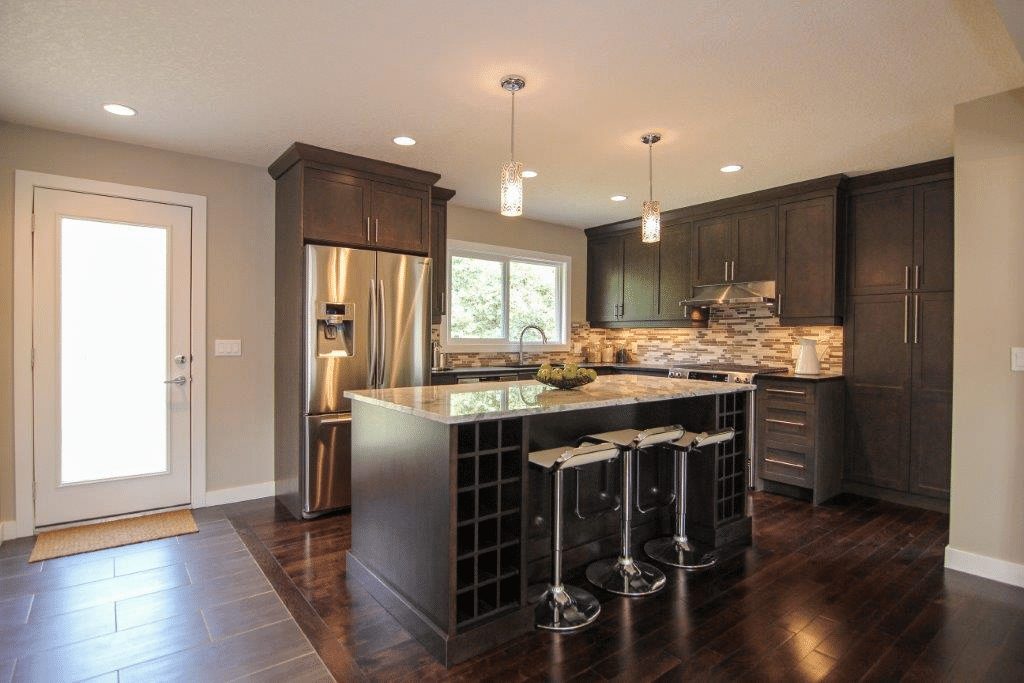
Renovating for Resale: Which Home Improvements Can Add the Most Value?

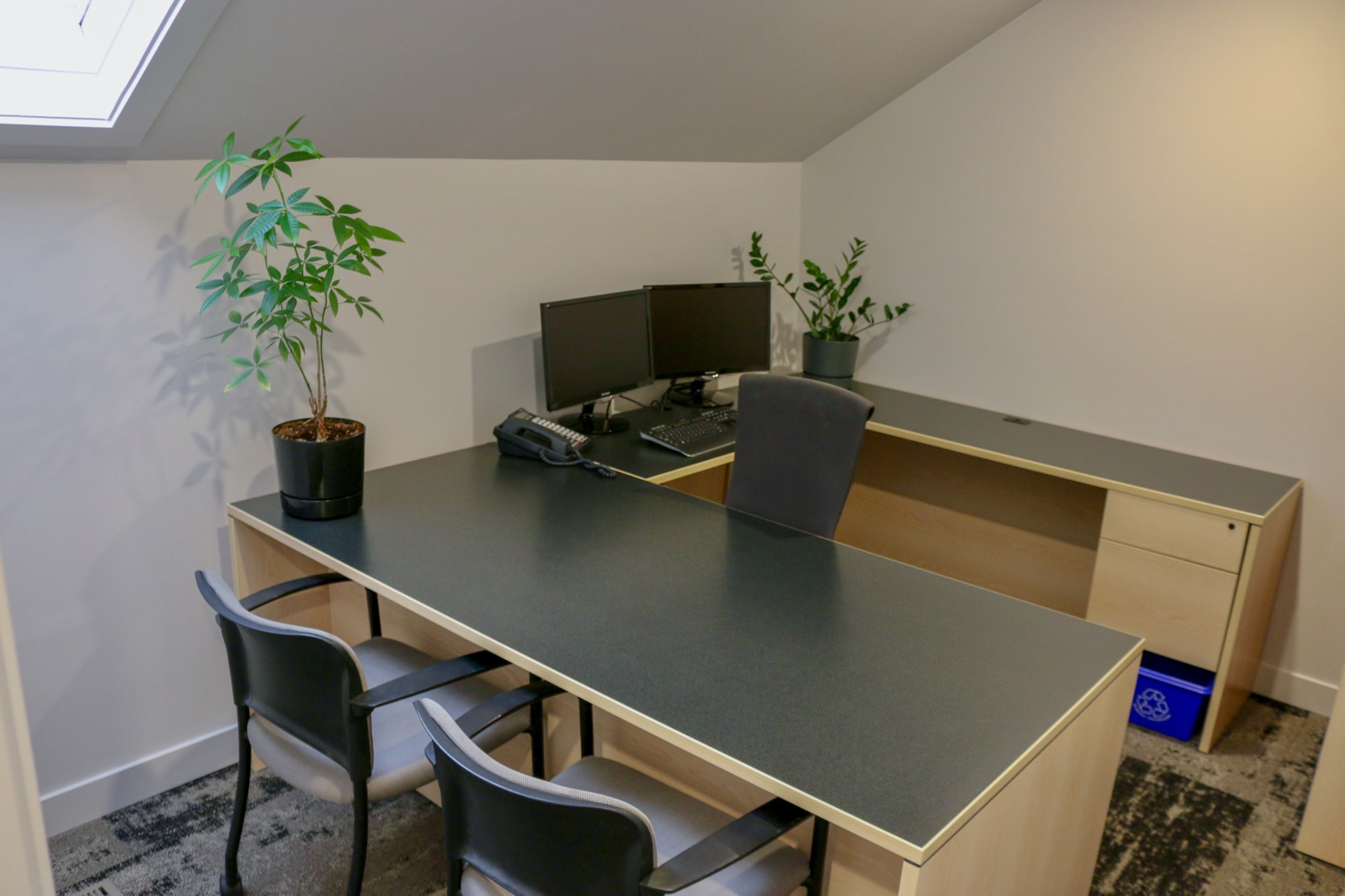
Remodeling Your Home Office: How Can You Create a Stylish and Productive Workspace?
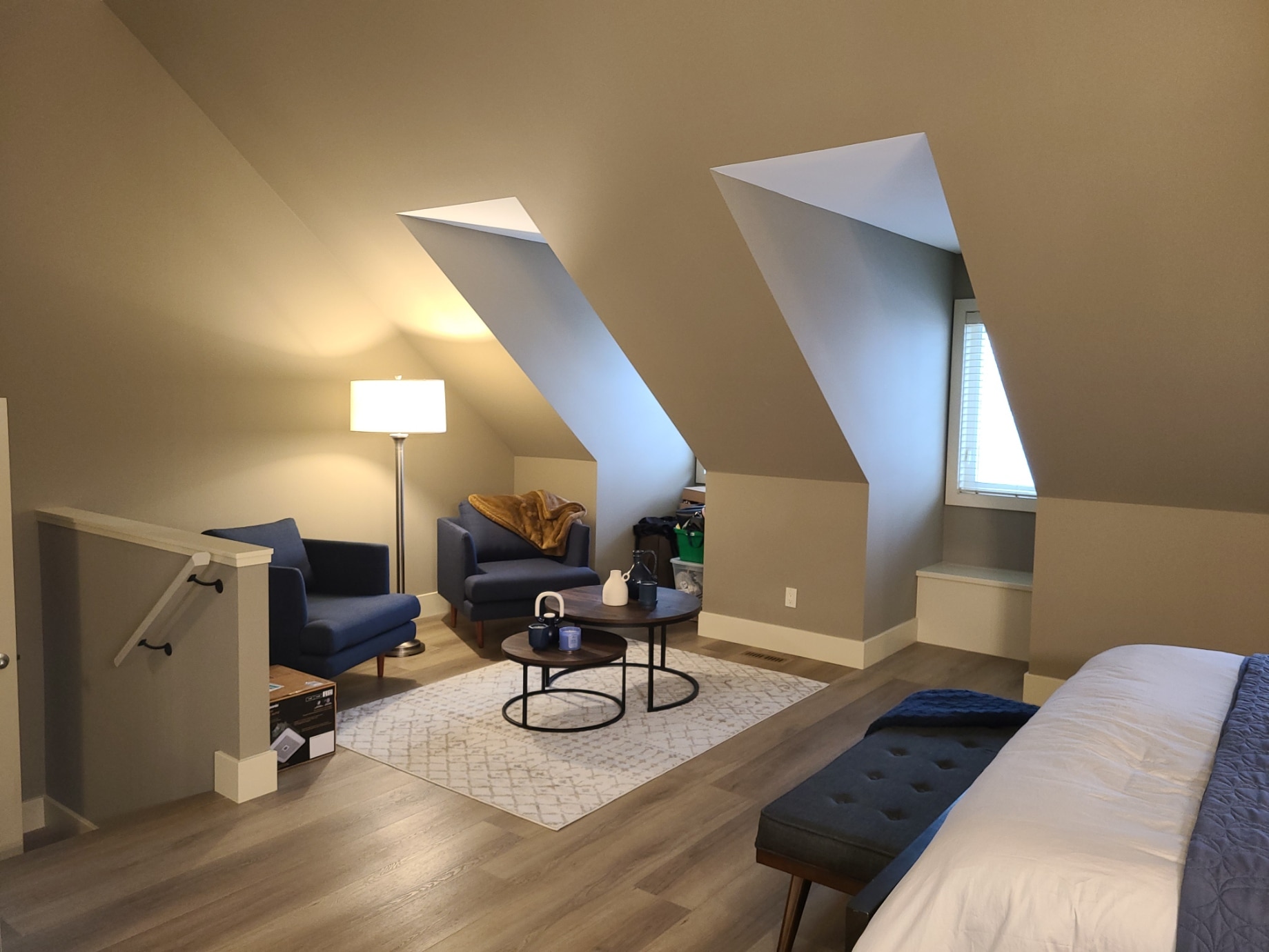
Master Suite Design Guide: How to Create a Luxurious Retreat at Home

Planning a Complete Home Renovation in Calgary
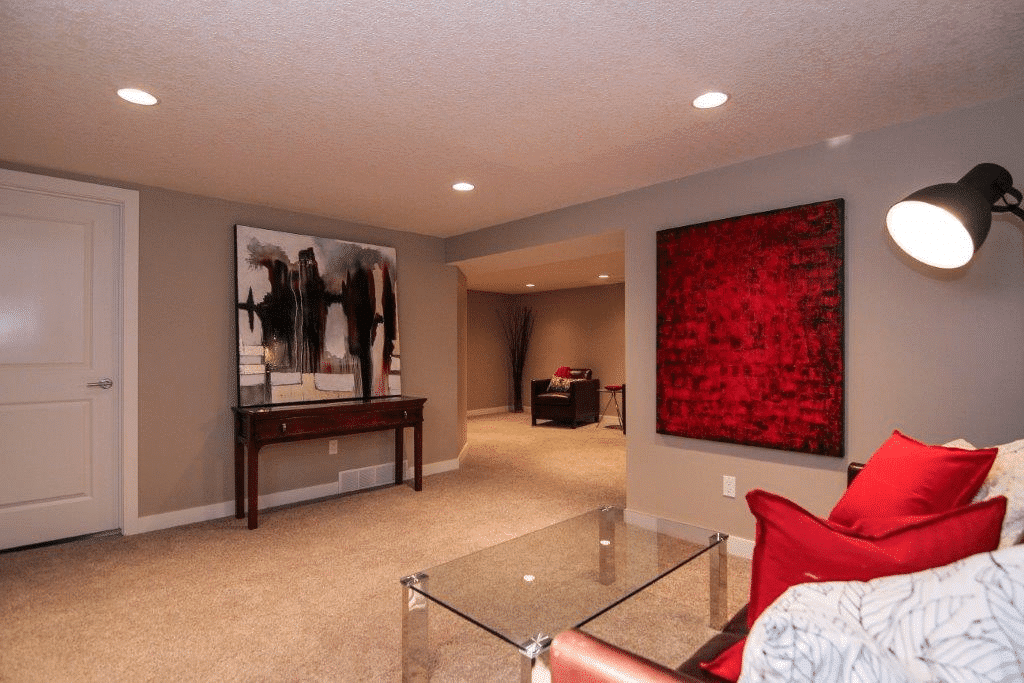
Premium Basement Finishing Services for Your Dream Space
Advantages to Using an Electric Fireplace: A Warm Upgrade for Your Home
12 Great Home Renovation Preparation Tips to Share with Your Friends
Home Renovation – Keeping Neighbors Happy
Transform Your Home with Professional Basement Development in Calgary
Bathroom Renovation: How to Choose the Perfect Sink for Your Space

How Can You Keep Pets and Kids Safe During Home Remodeling?
Elevate Your Living Room Design with Bold Fireplace Upgrades