


LifeStyle Renovations Blog
Basement Development Calgary 2026: Permits, Costs & Planning

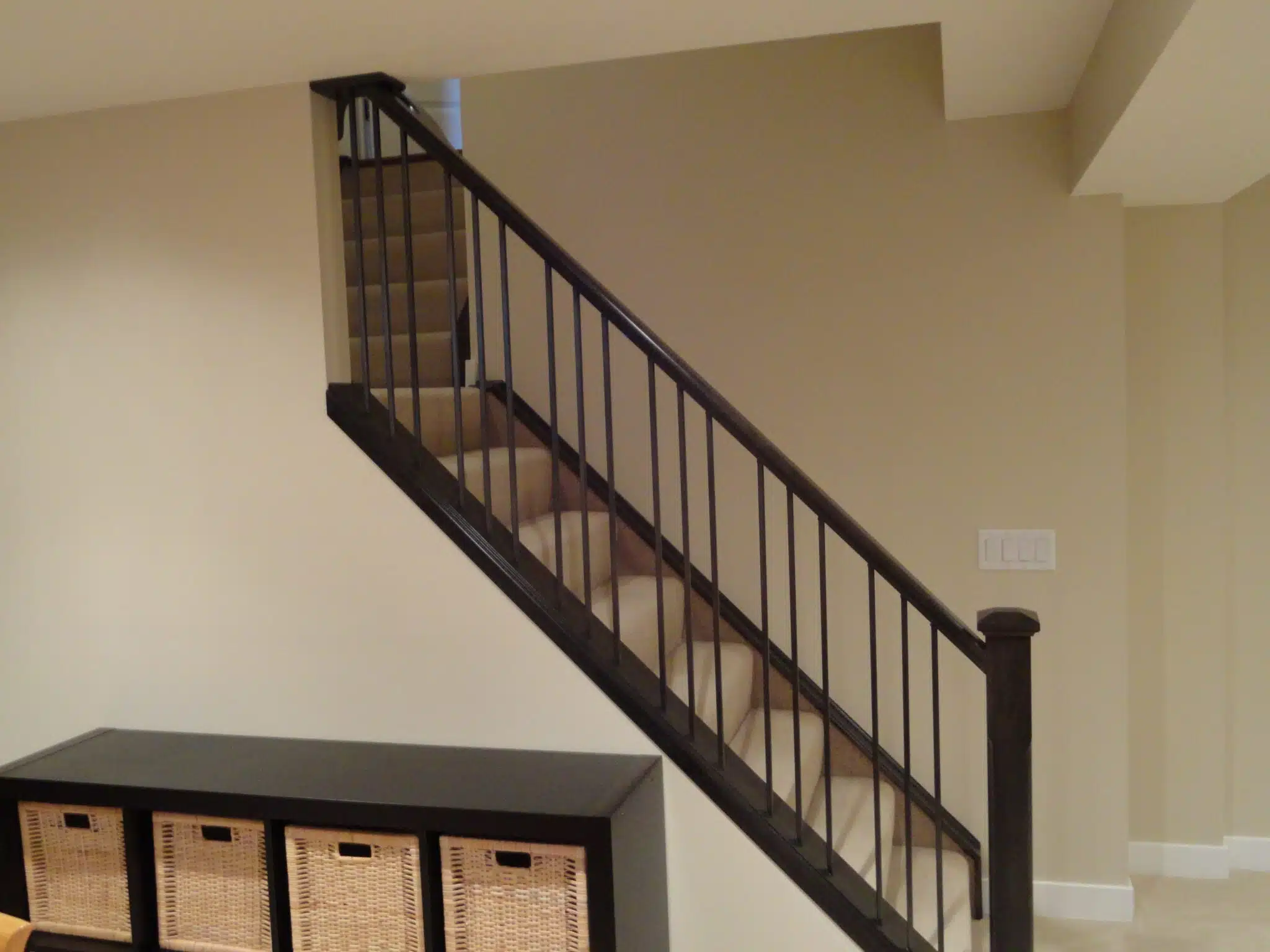
Planning a basement development in Calgary can add valuable living space without changing the footprint of your home, but the best results come from making the important decisions before construction begins. Layout, permits, electrical and plumbing work, ceiling height, egress, insulation, moisture control, heating, lighting and future use can all affect the design, budget and schedule.
This 2026 guide is designed to help Calgary homeowners understand the basement renovation planning process from the first idea through permits, construction and inspections. It also explains when a building permit is required, when additional trade permits may apply, what the City currently charges for common basement permits, how long reviews may take, and what homeowners should consider before converting an unfinished basement into usable living space.
If you are ready to discuss a project, visit our Basement Renovations Calgary service page. You can also browse our Basement Renovation Gallery or learn about our Calgary renovation design services.
Basement Development Calgary 2026: The Quick Planning Checklist
Before choosing flooring or paint colours, confirm the fundamentals. A strong basement plan should answer these questions:
- How will the basement be used now and in five or ten years?
- Is the basement unfinished, partially finished or already developed?
- Will you add bedrooms, a bathroom, a wet bar, laundry, office, gym or entertainment area?
- Will the project include a secondary suite?
- Are new windows, enlarged windows or a separate exterior entrance required?
- Will walls be moved or structural openings changed?
- Will plumbing, electrical, gas or HVAC systems be extended or altered?
- Is there evidence of moisture, foundation movement or previous water damage?
- What ceiling height and mechanical-room constraints must the design work around?
- What permits and inspections apply to the exact scope?
- What contingency should be included for hidden conditions?
Answering these questions early helps avoid one of the most common renovation problems: designing an attractive basement that later has to be reworked because of code, mechanical or permit requirements.
Do You Need a Permit to Develop a Basement in Calgary?
Yes, in many situations. The City of Calgary’s current Home Renovations and Basements guidance states that a building permit is required when a basement is being developed for the first time. A building permit is also required when you make structural changes, move or remove walls, or create new openings such as new or relocated windows and doors.
The City also distinguishes those projects from minor cosmetic work. Painting, furniture and other minor finishes in an already developed basement typically do not require the same building permit.
| Basement work | Building permit? | Additional permits may apply? |
|---|---|---|
| Developing an unfinished basement for the first time | Yes | Electrical, plumbing and other trade permits depending on scope |
| Moving/removing walls or structural changes | Yes | Potential engineering plus trade permits |
| Adding or enlarging windows/doors | Yes | Development approval may also be needed if land-use rules are not met |
| New basement entrance | Yes | Engineering or development approval may apply |
| Minor cosmetic updates to an existing developed basement | Typically no | Trade permits may still apply if electrical/plumbing systems are altered |
Permit requirements depend on the actual work—not simply what the homeowner calls the project. A “refresh” that includes new wiring or plumbing is different from a paint-and-flooring update.
Building Permit vs. Development Permit: What Is the Difference?
These two permits serve different purposes and are often confused.
Building Permit
A building permit is a building-safety approval. It is intended to confirm that the proposed construction meets applicable safety requirements. For a standard basement development inside the existing footprint of the home, this is usually the main building approval.
Development Permit
A development permit is planning approval. The City states that most interior renovations and basement developments only require building safety approval, but a development permit may also be required if the design or location does not meet the applicable Land Use Bylaw rules.
This can become relevant when a project includes elements such as exterior changes, new entrances, window wells or other work affected by setbacks and land-use rules.
The distinction matters because a development permit can add a substantially longer review and appeal timeline than a straightforward building permit.
What Trade Permits Can a Calgary Basement Require?
A building permit does not replace electrical or plumbing approvals. The City’s current requirements state:
- Electrical permit: a separate electrical permit is required for electrical installations and renovations. If a contractor is doing the work, the contractor is responsible for the appropriate permit.
- Plumbing permit: a separate plumbing permit is required for new plumbing installations and when existing plumbing systems are extended or altered.
- Gas work: gas installations and alterations are subject to the applicable permit requirements.
This is especially important when adding a basement bathroom, wet bar, kitchenette, laundry area or new electrical circuits. Those features may look like simple design choices on a floor plan, but they affect multiple trades and need to be coordinated early.
2026 City of Calgary Basement Permit Fees
The City currently publishes the following fees for common home-renovation and basement applications. Fees can change, so use these numbers as current 2026 context and verify them before submitting an application.
| Permit / approval | Current City fee context |
|---|---|
| New basement building permit | $321 permit fee + $12.84 Safety Codes Council fee = $333.84 total |
| Renovation to existing house or developed basement | $198 permit fee + $7.92 Safety Codes Council fee = $205.92 total |
| Homeowner electrical permit | $112 permit fee + $4.50 Safety Codes Council fee = $116.50 total |
| Homeowner plumbing permit | $112 permit fee + $4.50 Safety Codes Council fee = $116.50 total |
| Development permit for a home-renovation Land Use Bylaw relaxation, when applicable | $365 permit fee + $30 advertising + $155 completion inspection = $550 total |
Source: City of Calgary, Home Renovations and Basements. Contractor trade-permit fees differ, and the City provides a permit-fee estimator for those applications.
How Long Does a Calgary Basement Permit Take?
The City currently lists an approximate seven-day review timeline for a new basement or renovations to an existing house or developed basement. That is not a guaranteed turnaround. The City notes that review times depend on application volumes, whether the application is complete, and how quickly the applicant responds to requests for additional information.
If a development permit is required because the project does not meet all Land Use Bylaw rules, the planning process can be much longer. The City currently indicates:
- up to 60 days to decision for the development-permit review;
- a 21-day advertisement/appeal period;
- a typical overall planning timeline of roughly 10–12 weeks.
This is one reason permit questions should be resolved during planning. Discovering after demolition that a project needs a development approval can create a major scheduling problem.
What Makes a Complete Basement Permit Application?
The City emphasizes complete applications because missing documents can delay review. Current basement application requirements include project details, required plans and supporting documentation.
For a typical basement or interior renovation application, homeowners should expect to provide floor plans showing the areas where work is taking place. If windows are being added or enlarged on a side elevation, additional elevation drawings may be required. Homes built before 1990 may also require the City’s asbestos abatement form as part of the application package.
A complete application should include everything listed on the City’s current permit checklist, including dimensions and the proposed room uses. If additional information is requested, responding quickly can help keep the review moving.
What Happens After the Permit Is Approved?
Permit approval is not the end of the process. Inspections verify that the work has been completed in accordance with the approved plans and applicable requirements.
For a basement framing/rough-in inspection, the City currently expects items such as:
- structural changes completed;
- wall and ceiling framing completed;
- proposed windows and exterior doors installed;
- HVAC changes completed;
- plumbing and electrical rough-ins completed under the associated permits.
That inspection sequence affects scheduling. Closing walls too early can mean opening finished work later so inspectors can see required components. A renovation contractor should coordinate framing, mechanical and trade work around the permit and inspection milestones.
How Much Does Basement Development Cost in Calgary in 2026?
Cost is closely connected to planning because a basement with a bathroom, custom bar, new windows and several rooms is not comparable to a simple open recreation space.
Current 2026 Calgary market data from HomeStars places the broad cost of basement development around $45,000 to $130,000, with many standard projects reported in the $50,000 to $85,000 range. Their current guide also reports an approximate $45 to $95 per square foot range depending on scope and finish level. See the 2026 HomeStars Calgary basement development cost guide.
These are third-party planning ranges, not Lifestyle Renovations quotations. Actual pricing depends on the individual basement and may be affected by:
- basement size and layout;
- number of bedrooms and bathrooms;
- new or enlarged windows;
- separate exterior entrances;
- plumbing location;
- electrical capacity;
- HVAC changes;
- ceiling conditions;
- insulation and moisture work;
- custom cabinetry, bars or built-ins;
- flooring and finish quality;
- whether the project is a legal secondary suite.
For budgeting, compare quotes by scope rather than only by the bottom-line number. One contractor may include permits, design, disposal and electrical changes that another has excluded.
How Much Contingency Should You Include?
Basements can conceal conditions that are difficult to evaluate before demolition. Foundation moisture, previous repairs, plumbing routes, electrical issues and framing conditions may not be fully visible.
A common renovation-planning approach is to reserve roughly 10–15% of the working project budget for unforeseen conditions or approved scope changes. Older homes or projects with known moisture, foundation or structural concerns may justify a larger reserve.
The contingency should not be treated as an automatic upgrade budget. Its purpose is to protect the project if a legitimate hidden condition is uncovered.
Basement Layout Planning: Start With How the Space Will Be Used
A finished basement should feel like an intentional part of the home, not leftover square footage divided into rooms. Before drawing walls, decide which activities need to happen downstairs.
Family and Recreation Space
An open family room can support television, games, hobbies and entertaining. Think about furniture placement, sightlines, storage and where electrical outlets are needed before walls are framed.
Bedrooms
Bedroom planning involves more than fitting a bed into a room. Window and egress requirements, heating, electrical, smoke alarms and privacy all need to be considered.
Bathroom
A basement bathroom can add significant functionality, but its location should be coordinated with existing plumbing and the overall floor plan. Moving drains across the basement can add cost and complexity.
Home Office
A basement office can work well when lighting, acoustics, power and internet connectivity are considered early. If the room might become a bedroom in the future, discuss that possibility during design.
Gym, Theatre or Hobby Room
Specialty spaces may need additional electrical circuits, sound control, ventilation, blocking in walls, resilient flooring or equipment clearances. Planning those needs before drywall is far easier than adding them later.
Ceiling Height and Mechanical Rooms
Basement layouts are often shaped by beams, ductwork, plumbing, posts and the furnace or utility room. Instead of treating these as problems after the design is finished, identify them during the initial measurements.
The mechanical room also needs service access. The City’s current basement design guidance notes that mechanical/furnace and laundry rooms require a minimum 32-inch-wide door, and doorways leading to that room must also meet the minimum width requirement.
A thoughtful plan can use soffits and ceiling transitions deliberately so the finished basement feels organized rather than patched around mechanical systems.
New Basement Windows and Egress Planning
New windows or enlarged window openings require planning approval from a building-safety perspective, and a building permit is required when new windows are added or existing openings are enlarged.
The City’s current rules also address window wells and side setbacks. If a proposed window or window well does not meet the applicable land-use rules, a development permit may be required.
Bedrooms may have additional egress and safety requirements, so do not leave window decisions until framing is already complete.
Adding a New Basement Entrance
A new exterior basement entrance requires a building permit. Depending on the foundation, stair configuration and structural changes, engineering may also be required.
The City identifies common structural situations that may need engineering, including a new entrance door cut into an existing foundation wall and below-grade exterior stairs. Landings and setback requirements also need to be considered.
If a separate entrance is part of a future secondary-suite plan, coordinate the entrance with the suite requirements from the beginning rather than treating it as an independent project.
Basement Development vs. Legal Secondary Suite
A basement developed for your own household is not the same as a self-contained secondary suite. A legal secondary suite includes its own cooking facilities, bathroom, sleeping area and direct access without going through the main residence.
Calgary’s rules for secondary suites changed recently. Bylaw 26P2026 became effective August 5, 2026 and lists Secondary Suites as permitted uses in low-density residential districts. However, being a permitted use does not eliminate building-safety requirements or mean every proposed suite automatically qualifies without review. Building permits, electrical permits, plumbing permits and compliance with the applicable Land Use Bylaw and Building Code requirements still matter. citeturn187480search0
The City’s current Adding a Secondary Suite page states that a new secondary suite requires a building permit and separate electrical permit, with additional permits such as plumbing depending on the work. A development permit may also be required where the applicable rules are not met. citeturn845020search1
For a deeper explanation, see our guide to Legal Basement Suites in Calgary.
What About Calgary’s Secondary Suite Incentive Program?
The City’s Secondary Suite Incentive Program can provide qualifying homeowners with up to $10,000 toward building and registering a secondary suite. However, the program is currently capacity-limited. As of June 24, 2026, new applications are being placed on a waitlist, and the City notes that funding may not be available for homeowners applying after that date. citeturn187480search6
If your project depends on receiving that funding, verify current program status directly with the City before including it in the financing plan.
Moisture and Water Management Before Finishing a Basement
Do not cover an active moisture problem with new drywall and flooring. Look for staining, efflorescence, musty odours, foundation cracks, damaged insulation or signs that water has entered the basement in the past.
Some issues may be related to grading, drainage, downspouts, foundation conditions or plumbing rather than the interior finish itself. The source of moisture should be understood before the basement is closed in.
This is particularly important for flooring. A material that performs well upstairs may not be the best choice for a below-grade slab without the right preparation or underlayment.
Heating, Ventilation and Comfort
A basement that meets code can still be uncomfortable if heating and airflow are treated as an afterthought. Basements often feel cooler because they are below grade, and newly created rooms can change airflow patterns.
Heating, ventilation and return-air planning should be integrated with the layout. Bathroom exhaust, laundry ventilation and specialty-room requirements should also be considered before ceilings are closed.
Lighting a Basement Properly
Many basements have limited natural light, so lighting design has a major effect on how finished space feels. A useful plan combines:
- general ambient lighting;
- task lighting for desks, bars or hobby areas;
- decorative lighting where appropriate;
- accent lighting for built-ins or artwork;
- dimmers so open spaces can support different activities.
Electrical planning should occur at the same time as furniture and cabinetry planning. That prevents outlets, switches and fixtures from ending up in inconvenient locations.
Common Basement Development Mistakes to Avoid
Starting Construction Before Permits Are Understood
Permit requirements should be resolved before work begins. Building first and trying to legalize the work later can create delays, rework and additional expense.
Designing Around Finishes Instead of Function
Flooring and paint matter, but a poorly planned layout cannot be corrected by better finishes. Start with room use, traffic flow and mechanical constraints.
Ignoring Future Use
A room planned as an office today may need to serve another purpose later. Where practical, plan power, lighting, sound control and room dimensions with flexibility in mind.
Underestimating Mechanical and Trade Work
A basement bathroom, wet bar or suite can add plumbing, electrical, ventilation and permit requirements. These are not minor add-ons once construction begins.
Using the Entire Budget on Visible Finishes
Reserve money for hidden conditions, proper trade work, waterproofing, insulation and mechanical improvements. Those components may not be visually exciting, but they affect the long-term performance of the renovation.
How Lifestyle Renovations Approaches Basement Planning
A well-planned basement development coordinates design, permits, trade work and finishes before construction wherever possible. Lifestyle Renovations helps Calgary homeowners define how the basement should function, identify construction requirements, organize selections and coordinate the renovation process.
Our work can include family living spaces, bathrooms, bedrooms, offices, storage, entertainment areas and other basement improvements. When a project is intended to become a secondary suite, the additional suite-specific rules need to be included from the start.
Explore our Calgary Basement Renovations service, see finished projects in the Basement Renovation Gallery, or learn more about our Design Services.
Basement Development Calgary FAQs
Do I need a permit to finish an unfinished basement in Calgary?
Yes. The City currently states that developing a basement for the first time requires a building permit. Separate electrical and plumbing permits may also be required depending on the work.
Do I need a permit to renovate an already finished basement?
It depends on the scope. Minor cosmetic updates such as paint and finishes typically do not require the same building permit, but structural changes, new openings and trade-system alterations can trigger permit requirements.
How much is a basement development permit in Calgary in 2026?
The City currently lists the new-basement building permit at $321 plus a $12.84 Safety Codes Council fee, for a total of $333.84. Fees can change, so confirm the current schedule before applying.
How long does a Calgary basement building permit take?
The City currently lists an approximate seven-day review for new basement and existing-home renovation building permits, subject to application volume, completeness and applicant response time.
How much does basement development cost in Calgary?
Current 2026 Calgary market data from HomeStars reports a broad $45,000–$130,000 range, with many standard projects around $50,000–$85,000. The actual cost depends on size, layout, bathrooms, windows, electrical, plumbing, finish level and whether the project is a secondary suite.
Can I add a bedroom to my basement?
Potentially, but bedroom planning must account for applicable safety, window/egress, heating, electrical and smoke-alarm requirements. Confirm those requirements during design rather than after framing.
Can I add a bathroom to an unfinished basement?
Yes, but new plumbing installations require a plumbing permit, and electrical work has its own permit requirements. Existing rough-ins can help but do not eliminate the need to plan the entire system correctly.
Does a new basement window require a permit?
Adding a new window or enlarging an existing opening requires a building permit. Land-use rules for setbacks and window wells can also affect the design.
Does a separate basement entrance require a permit?
Yes. A new basement entry requires a building permit, and some foundation or stair changes may require engineering or development approval.
Is a developed basement automatically a legal suite?
No. A finished basement used by the main household is different from a legal secondary suite. A suite has additional building-safety, permit and registration requirements.
Are secondary suites permitted in Calgary in 2026?
Bylaw 26P2026 became effective August 5, 2026 and lists Secondary Suites as permitted uses in low-density residential districts. The project must still satisfy applicable building, land-use and trade-permit requirements.
How much contingency should I budget for a basement renovation?
A common planning approach is approximately 10–15% of the working budget, with more considered for older homes or projects with known moisture, structural or hidden-condition risks.
Ready to Plan Your Calgary Basement Development?
A basement development is easier to control when the layout, permit requirements, trade work, budget and selections are coordinated before construction begins. The goal is not simply to finish the space—it is to create a lower level that feels like a useful, comfortable and durable extension of the home.