

LifeStyle Renovations Blog
Turning Your Basement into a Cozy Haven: Creative Renovation Ideas

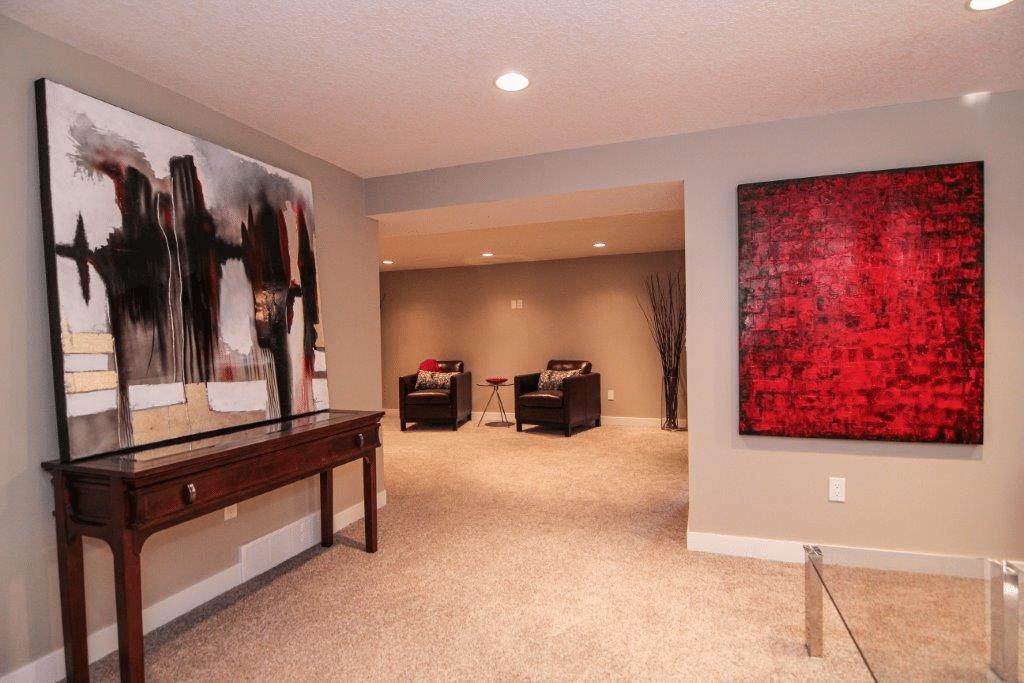
Your basement has more potential than most homeowners realize. For many Calgary families, the basement becomes a place for boxes, seasonal decorations, old furniture, sports equipment, and everything that does not quite have a home upstairs. But with the right planning, design, and renovation team, that underused lower level can become one of the most comfortable, practical, and loved spaces in the entire house.
A finished basement can serve many purposes. It can become a family movie room, a quiet home office, a guest suite, a children’s play area, a home gym, a games room, a hobby space, or a warm retreat for relaxing at the end of the day. The key is to design the basement around how your family actually lives.
For homeowners considering basement renovations in Calgary, the goal should be more than simply finishing the walls and floor. A great basement renovation should feel like a natural extension of the home. It should be warm, functional, comfortable, safe, and designed with long-term use in mind. Whether you are starting with a completely unfinished basement or updating an older developed space, thoughtful planning can turn your basement into a cozy haven your family will enjoy for years.
Start with a Clear Purpose for the Space
Before choosing flooring, paint colours, lighting, or furniture, the first step is deciding what you want your basement to become. A basement renovation works best when every design decision supports a clear purpose.
Some families want a relaxed entertainment room where everyone can gather for movies, sports, or game nights. Others need a more practical space, such as a home office, extra bedroom, guest suite, or home gym. Some homeowners want a flexible basement that can grow with the family — a playroom now, a teen hangout later, and a comfortable guest area in the future.
Ask yourself how your family uses your home today and what you wish you had more space for. Do you need a quiet area away from the main floor? Do you entertain often? Do you want a place where kids can play without toys taking over the living room? Do you need extra storage that is organized and attractive? Do you want to add a bathroom, bedroom, or kitchenette? These early decisions will shape the entire project.
A clear purpose also helps with budgeting. A simple family room will have very different requirements than a legal secondary suite, bathroom addition, or home theatre. Once you understand how the space will be used, it becomes easier to prioritize what matters most.
Plan the Layout Before Choosing Finishes
Basements can be tricky spaces to design because they often include structural posts, mechanical rooms, low ceilings, bulkheads, utility areas, limited windows, and awkward corners. A strong layout makes these challenges feel intentional rather than inconvenient.
Start by thinking about the natural zones in the basement. Where should the main seating area go? Where does it make sense to add storage? Is there enough room for a bathroom? Should the laundry area be enclosed or upgraded? Where are the windows, and how can you make the most of the natural light? If you are adding a bedroom, does the window meet egress requirements? If you are planning a bar, bathroom, or wet area, how close is it to existing plumbing?
A good basement layout should feel open but not empty. Many basements benefit from defined zones, such as a media area, workspace, games area, guest area, and storage area. These zones can be created with walls, partial walls, furniture placement, rugs, lighting, ceiling details, or built-in cabinetry.
One of the biggest mistakes homeowners make is focusing only on the finished look and not enough on the flow of the space. A basement may look beautiful in photos, but if the furniture placement is awkward, the lighting is poor, or storage is missing, the space will not function well day to day.
Consider Permits, Safety, and Building Requirements
Basement renovations are not only about design. They also involve safety, building code requirements, electrical work, plumbing, insulation, ventilation, windows, smoke alarms, and sometimes structural changes. In Calgary, a basement development or interior renovation requires a building permit if the basement is being developed for the first time, if structural changes are being made, if new openings such as windows or doors are being created, or if certain exterior renovations are involved. Minor cosmetic upgrades such as painting, finishes, and furniture typically do not require a permit.
Additional permits may also be required for electrical or plumbing work. The City of Calgary notes that a separate electrical permit is needed for electrical installations and renovations, and a plumbing permit is required for new plumbing installations or changes to existing plumbing systems.
If your basement renovation includes a bathroom and cooking facilities, the City of Calgary states that you must apply for a secondary suite rather than treating it as a basic basement renovation. This is an important distinction for homeowners who are considering future rental income, multigenerational living, or a private living area for family members.
Working with a professional renovation company can help you avoid costly mistakes. Proper permits, inspections, and code-compliant construction protect your home and give you peace of mind that the finished space is safe, legal, and built correctly.
Address Moisture Before Anything Else
A cozy basement must be dry. Before adding drywall, flooring, insulation, built-ins, or furniture, it is important to make sure the basement does not have moisture problems. Even a beautifully finished basement can become frustrating if there are leaks, damp smells, condensation, or mould concerns.
Moisture issues can come from several sources, including foundation cracks, poor drainage, window wells, sump pump problems, grading issues, plumbing leaks, or inadequate ventilation. Sometimes the signs are obvious, such as water stains or musty smells. Other times, moisture problems are hidden behind storage items, along exterior walls, or around mechanical spaces.
Before beginning a basement renovation, look for signs of water damage, efflorescence on concrete, damp flooring, peeling paint, or areas that feel colder and wetter than the rest of the space. A professional contractor can help assess the basement and determine whether waterproofing, insulation upgrades, drainage improvements, or other repairs should be completed before the finishing work begins.
Taking care of moisture early protects the entire investment. It also helps create a basement that feels warm, clean, healthy, and comfortable throughout the year.
Make Insulation and Comfort a Priority
Basements are naturally cooler than the upper floors of a home. Without proper insulation, they can feel cold, drafty, and uncomfortable, especially during Calgary winters. Insulation plays a major role in turning a basement from a chilly storage area into a cozy living space.
Proper wall insulation helps maintain a consistent temperature, reduces drafts, and improves energy efficiency. Depending on the home, insulation may also be needed around rim joists, foundation walls, or other areas where heat loss commonly occurs. Ceiling insulation can also help reduce noise transfer between the basement and the main floor, especially if the basement will be used as a media room, playroom, bedroom, or office.
Comfort also includes heating and airflow. A basement renovation is a good time to review vent placement, air circulation, and whether the existing HVAC system can properly serve the lower level. Poor airflow can leave some areas too cold while others feel stuffy. Planning this early makes the finished basement more enjoyable in every season.
A basement should not feel like an afterthought. With proper insulation, heating, ventilation, and finishing materials, it can become one of the warmest and most comfortable spaces in the home.
Use Lighting to Transform the Mood
Lighting is one of the most important design elements in any basement renovation. Because basements often have smaller windows and less natural light, the right lighting plan can completely change how the space feels.
A single ceiling light in the middle of the room is rarely enough. Instead, use layers of lighting. Recessed ceiling lights can provide general brightness throughout the space. Wall sconces can add warmth and character. Table lamps and floor lamps can make seating areas feel more relaxed. Under-cabinet lighting can brighten a bar, kitchenette, office nook, or built-in storage area. Accent lighting can highlight artwork, shelving, stone features, or architectural details.
For a cozy basement, choose warm lighting rather than harsh, cool lighting. Dimmer switches are especially useful because they allow the space to shift from bright and functional during the day to soft and relaxing in the evening.
Lighting should also be planned around the way the space will be used. A home gym needs clear, bright lighting. A theatre room needs controlled, dimmable lighting. A home office needs task lighting. A guest bedroom needs bedside lighting. A playroom needs even lighting that keeps the space cheerful and safe.
Good lighting makes a basement feel intentional, finished, and welcoming.
Choose Colours That Feel Warm and Inviting
Paint colour has a major impact on how a basement feels. Because basements can lack natural light, colour choices should be made carefully. Very dark colours may create a dramatic effect, but they can also make a low-light basement feel smaller or heavier if they are not balanced with proper lighting and lighter finishes.
Warm neutrals, soft greys, creamy whites, muted blues, warm taupes, and earthy tones often work well in basements. These colours help create a calm and comfortable atmosphere while still keeping the space bright. If you want a richer look, consider using deeper colours as accents rather than on every wall. A feature wall behind a media unit, fireplace, bar, or reading nook can add depth without overwhelming the room.
The ceiling colour matters too. A light ceiling can help make the space feel taller and more open. In some basements, painting bulkheads and ceiling details the same colour as the ceiling helps them blend in. In other cases, a contrasting ceiling detail can create a more custom look.
The goal is to create a palette that feels connected to the rest of your home. Your basement does not need to match the upper floors exactly, but it should feel like part of the same overall design.
Select Basement-Friendly Flooring
Flooring is one of the biggest decisions in a basement renovation. It affects comfort, durability, maintenance, and the overall look of the space. Because basements are below grade, it is important to choose flooring that can handle the conditions of a lower level.
Luxury vinyl plank is a popular choice for basements because it is durable, attractive, and more resistant to moisture than many traditional flooring options. It can mimic the look of wood while offering easier maintenance. Carpet can be a cozy choice for bedrooms, playrooms, or theatre areas because it adds softness and warmth underfoot. Area rugs can also be used over hard flooring to create comfort and define seating areas.
Laminate may work in some basement settings, but homeowners should choose products carefully and understand their moisture limitations. Tile can be a strong choice for bathrooms, laundry rooms, wet bars, or entry points. In some basement designs, a combination of flooring materials works best — for example, vinyl plank in the main living area, tile in the bathroom, and carpet in a bedroom or media room.
Comfort is also important. Underlayment, subfloor systems, and proper installation can make basement flooring feel warmer and more comfortable. The right flooring should look good, feel good, and stand up to real family life.
Add Storage Without Sacrificing Style
One of the biggest advantages of a basement is the opportunity to add storage. However, storage should be planned into the renovation rather than treated as an afterthought.
Built-in cabinets, shelving, closets, under-stair storage, media units, benches with hidden storage, and dedicated utility storage can make a basement far more functional. A well-designed basement allows you to keep seasonal items, games, toys, sports equipment, linens, tools, and household supplies organized without making the space feel cluttered.
The best storage solutions blend into the design. A built-in wall unit around a television can store electronics, books, games, and blankets. A mudroom-style area near a walkout or side entrance can hold coats, shoes, and sports gear. A storage closet near a guest room can hold bedding and towels. Custom shelving in a hobby area can keep supplies easy to access.
Basement storage should be practical, but it can also be beautiful. Cabinetry, millwork, and shelving can make the space feel more polished and custom while helping the basement stay clean and usable.
Create a Family Entertainment Area
A basement is an excellent place for a family entertainment room. Because it is separated from the main floor, it can be a more relaxed space for movies, sports, games, and time together.
Start with comfortable seating. A sectional sofa is often a good choice because it provides plenty of room for family and guests. Recliners, lounge chairs, ottomans, and oversized cushions can also make the space feel casual and inviting. Think about how many people will regularly use the room and how the seating should be arranged for conversation, television viewing, or games.
A media wall can become the focal point of the room. This might include a television, fireplace, built-in shelving, storage cabinets, speakers, and lighting. If you prefer a theatre-style basement, you may want a projector, screen, surround sound, darker wall colours, and layered lighting. If you prefer a more flexible family room, a television with built-in storage and open seating may be a better fit.
Entertainment areas should also include practical details such as outlets, charging stations, durable flooring, snack storage, and easy access to blankets, games, and remotes. These small choices make the room easier to enjoy every day.
Design a Cozy Guest Suite
If you often host family or friends, a basement guest suite can be a valuable addition. A well-designed basement bedroom gives guests privacy and comfort while keeping the main living areas less crowded.
A guest suite should feel warm, bright, and welcoming. Comfortable flooring, soft lighting, a proper closet, bedside tables, and thoughtful decor can make the space feel much more inviting. If space and budget allow, adding a bathroom nearby can make the basement even more convenient for overnight guests.
Because basement bedrooms have safety requirements, window planning is especially important. Bedroom windows must be considered carefully for egress and code compliance. The City of Calgary notes that if a proposed basement window is located within a bedroom, egress requirements in the National Building Code – Alberta Edition must be met.
A guest suite does not need to feel like a basement. With the right lighting, colours, textiles, and layout, it can feel like a peaceful retreat.
Add a Home Office or Study Area
More homeowners are looking for quiet, dedicated workspace at home. A basement can be a great location for a home office because it is away from the busier areas of the house.
When designing a basement office, focus on lighting, sound control, storage, and comfort. A desk placed near a window can help the space feel brighter. Built-in shelving or cabinets can keep paperwork and supplies organized. Good task lighting is essential, especially if natural light is limited. If the office will be used for video calls, consider the background, wall colour, and lighting placement.
Sound control is also important. Insulation, solid-core doors, rugs, and acoustic materials can help reduce noise from the rest of the house. This is especially useful if the basement will be shared with a playroom, media area, or gym.
A basement office can also be designed as a flexible study zone for students, a homework area, or a creative workspace. The more intentional the design, the easier it is to stay focused and productive.
Include a Home Gym or Wellness Space
A basement is a practical place for a home gym because it provides privacy and separation from the main living areas. It can also be designed around the type of fitness your family enjoys.
A gym for weight training will need durable flooring, good ventilation, bright lighting, and enough clearance for equipment. A yoga or stretching area may need softer flooring, calming colours, mirrors, and warm lighting. A cardio area may require dedicated electrical planning, television placement, and airflow.
Rubber flooring, vinyl plank, or specialized gym flooring can help protect the floor and make exercise more comfortable. Mirrors can make the room feel larger and help with form. Built-in storage can keep mats, weights, bands, and accessories organized.
A wellness-focused basement might also include a sauna, meditation corner, massage chair, or spa-inspired bathroom. The goal is to create a space that supports your lifestyle and makes healthy routines easier to maintain.
Make the Basement Feel Cozy with Texture
A cozy basement is not created by one design choice. It comes from layering materials, textures, lighting, and personal touches.
Soft textiles make a big difference. Add throw blankets, pillows, area rugs, upholstered furniture, curtains, and warm bedding where appropriate. These details help soften the space and reduce the cold, echoing feeling that unfinished or poorly finished basements can sometimes have.
Natural materials can also add warmth. Wood accents, stone details, woven baskets, warm metals, leather, and textured fabrics can make the basement feel more comfortable and grounded. Even small touches, such as wood shelving, a textured rug, or a stone fireplace surround, can make the space feel more inviting.
Personal decor matters too. Family photos, artwork, books, plants, and meaningful accessories help the basement feel like part of the home rather than a generic finished space.
Consider a Fireplace or Feature Wall
A fireplace can be a beautiful addition to a basement renovation. It creates a natural focal point and adds warmth, both visually and physically. Electric fireplaces are often popular in basement settings because they can be installed in many different layouts and paired with custom media walls, stone surrounds, or built-in shelving.
A feature wall can also help define the space. This might be a fireplace wall, a television wall, a wood accent wall, a stone detail, a painted feature wall, or custom cabinetry. In a large basement, a feature wall can anchor the room and make the design feel more complete.
When planning a feature wall, think about scale. A small detail may get lost in a large basement, while an oversized feature can overwhelm a smaller room. The design should support the purpose of the space and complement the rest of the renovation.
Do Not Forget the Ceiling
Basement ceilings are often overlooked, but they have a major impact on the final look and feel of the space. Many basements include ductwork, beams, pipes, and bulkheads that need to be worked into the design.
Drywall ceilings create a clean, finished look. Drop ceilings provide access to mechanical systems and may be useful in certain areas. Painted exposed ceilings can work in some modern or industrial-style basements, but they need to be done carefully to avoid looking unfinished.
Bulkheads can be blended into the ceiling design or used to define zones. For example, a bulkhead over a bar, media wall, or hallway can feel intentional if it is aligned with the layout. Ceiling details, recessed lighting, and consistent paint choices can help reduce the visual impact of lower ceiling areas.
A thoughtful ceiling plan helps the basement feel more polished and less like a lower-level afterthought.
Add a Bathroom for Convenience
A bathroom can make a basement much more functional. It is especially useful if the basement includes a guest bedroom, family room, home gym, office, or entertainment area.
A basement bathroom can be simple and practical, or it can feel spa-inspired and luxurious. The design may include a shower, vanity, toilet, storage, heated flooring, tile details, or upgraded lighting. Even a compact bathroom can add significant convenience.
Plumbing location will affect cost and layout, so it is important to plan early. If rough-ins already exist, the bathroom may be easier to add. If plumbing needs to be relocated or installed, the project may require more planning and a larger budget.
A well-designed basement bathroom adds comfort, privacy, and long-term usability.
Think About Future Flexibility
A basement renovation is a long-term investment, so it is wise to think beyond your current needs. Your family’s lifestyle may change over time. Young children become teenagers. Guest needs change. Work-from-home needs may increase or decrease. A playroom may eventually become a media room, gym, or bedroom.
Flexible design helps the basement adapt. Use open areas that can serve multiple purposes. Choose durable finishes that can handle different uses. Add storage that can evolve. Consider wiring and outlet placement for future technology. Design rooms with enough flexibility to change furniture layouts later.
A cozy basement should serve your family now, but it should also make sense years from now.
Why Hire a Professional Renovation Company?
Basement renovations involve many moving parts: design, permits, framing, electrical, plumbing, insulation, drywall, flooring, lighting, finishing, and project coordination. A professional renovation company brings experience, planning, trade coordination, and quality control to the process.
A professional team can help you understand what is possible, identify issues before construction begins, recommend materials suited for basement conditions, manage trades, and ensure the renovation is completed properly. They can also help avoid common mistakes, such as poor lighting plans, inadequate storage, moisture problems, awkward layouts, or missed permit requirements.
For Calgary homeowners, working with a company familiar with local renovation requirements can make the process smoother. A basement is too important to approach casually. When done well, it can add comfort, function, and long-term value to your home.
Transform Your Basement with LifeStyle Renovations
Your basement does not have to remain unfinished, underused, or disconnected from the rest of your home. With thoughtful planning and quality workmanship, it can become a warm, welcoming, and practical space that supports the way your family lives.
Whether you imagine a cozy family room, a stylish entertainment area, a home gym, a private office, a guest suite, or a flexible multi-purpose space, LifeStyle Renovations can help bring your vision to life. From layout planning and design choices to construction details and finishing touches, every part of the renovation should work together to create a basement that feels comfortable, beautiful, and built for everyday living.
A finished basement is more than extra square footage. It is an opportunity to make your home more enjoyable, more functional, and better suited to your lifestyle. If you are ready to transform your lower level into a cozy haven, LifeStyle Renovations can help you take the next step.
Related Posts
Renovating for Resale: Which Home Improvements Can Add the Most Value?


Color, Layouts, and Mood: How Design Choices Influence the Feel of Your Home

8 Renovations that Add Value to Your House

Designing a Home Gym: What Should You Consider When Renovating Your Workout Space?
Maximizing Natural Light in Your Home Renovation Project
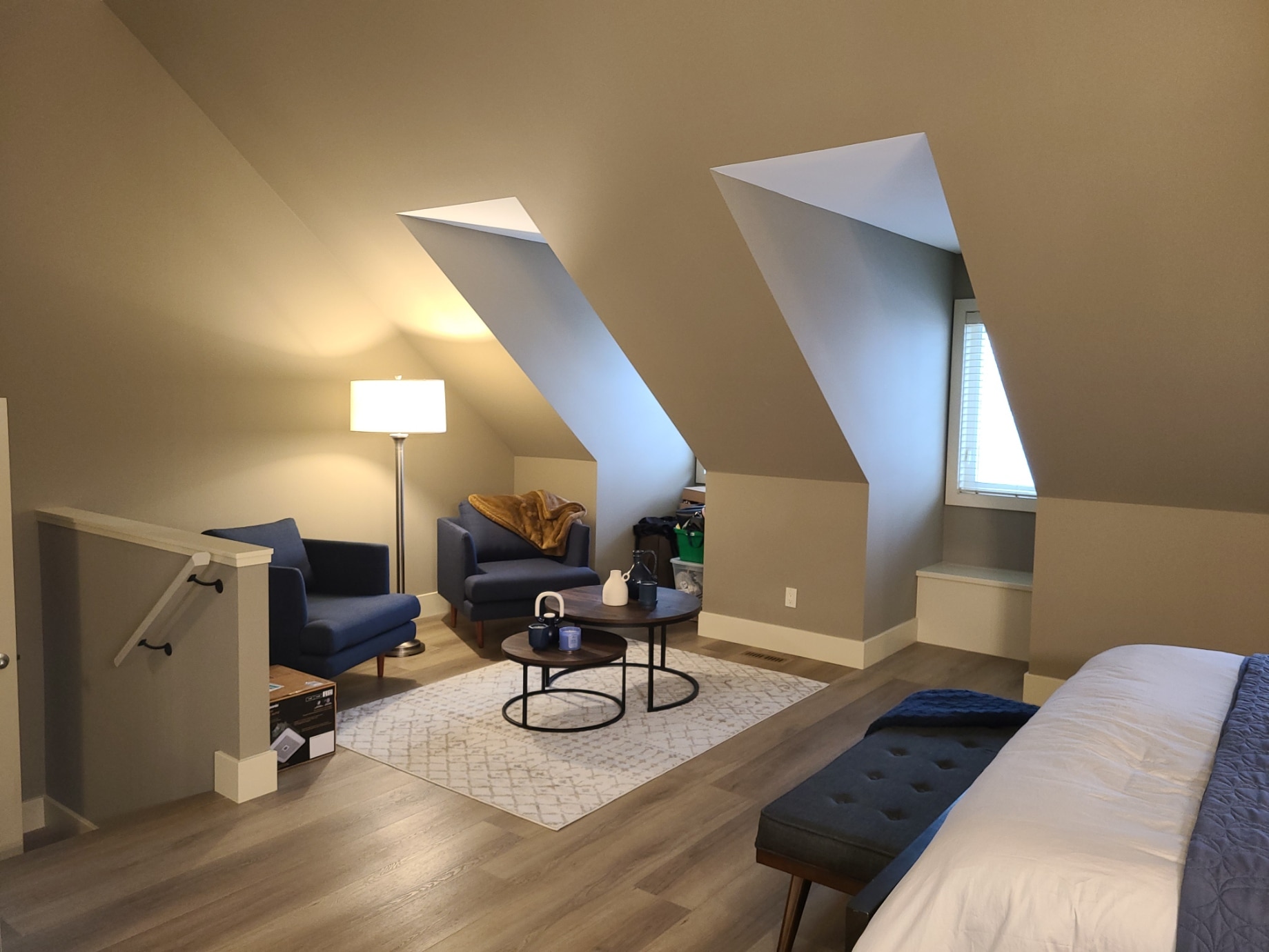
Master Suite Design Guide: How to Create a Luxurious Retreat at Home
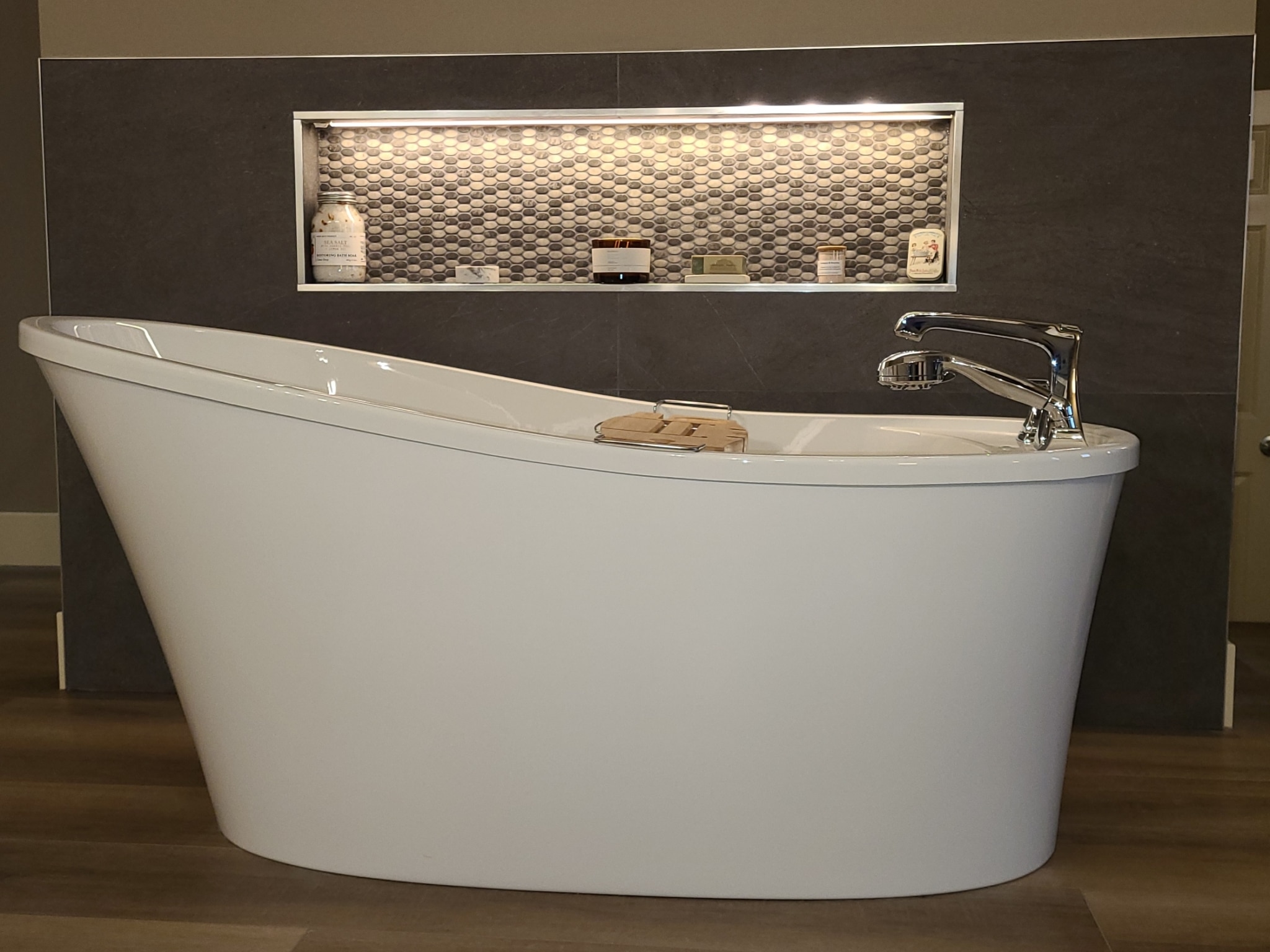
Renovations – Importance of Good Design
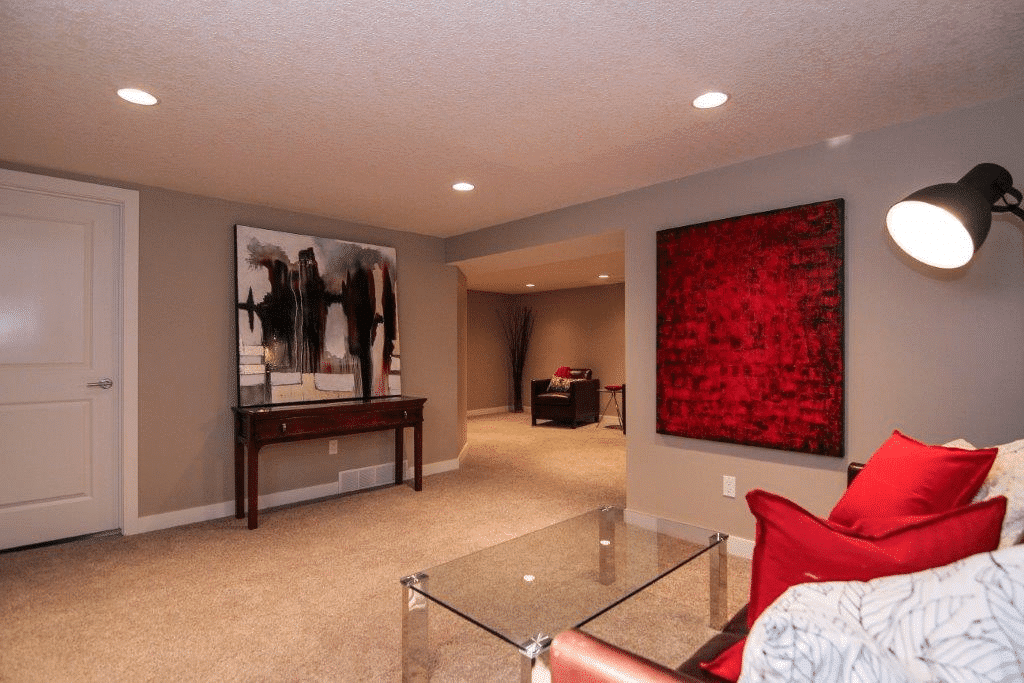
Premium Basement Finishing Services for Your Dream Space

10 Critical Top Questions to Ask Your Contractor Before Hiring

FREE Guide to Hiring a Contractor

Expert Tips for a Fully Winterized and Cozy Home This Winter
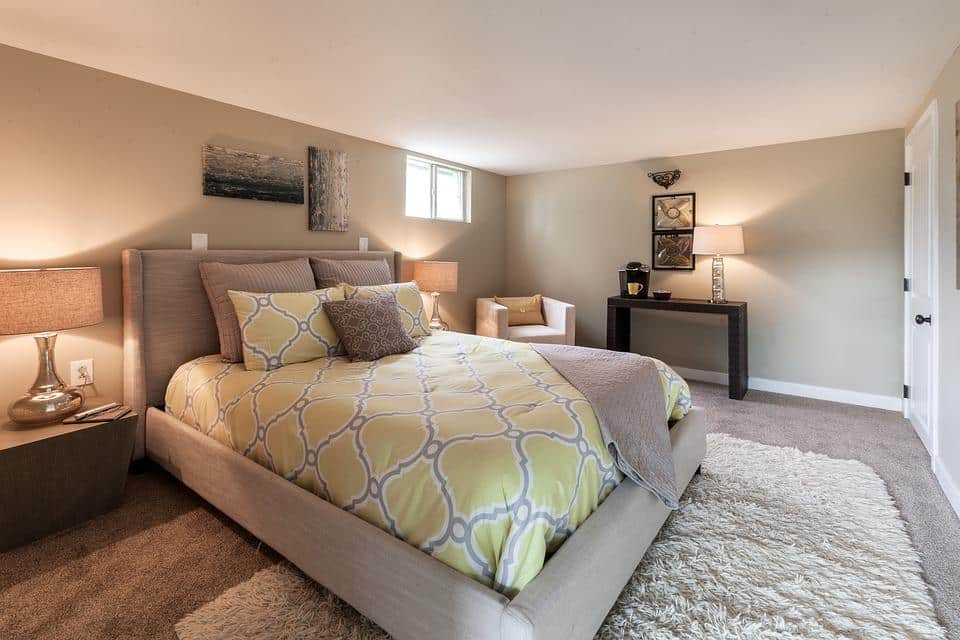
Basement Renovations – Transform Your Space with the Perfect Finished Basement Ceiling