

LifeStyle Renovations Blog
Kid-Friendly Bedroom Renovation Ideas: Creating Dream Spaces for Children – Part 1

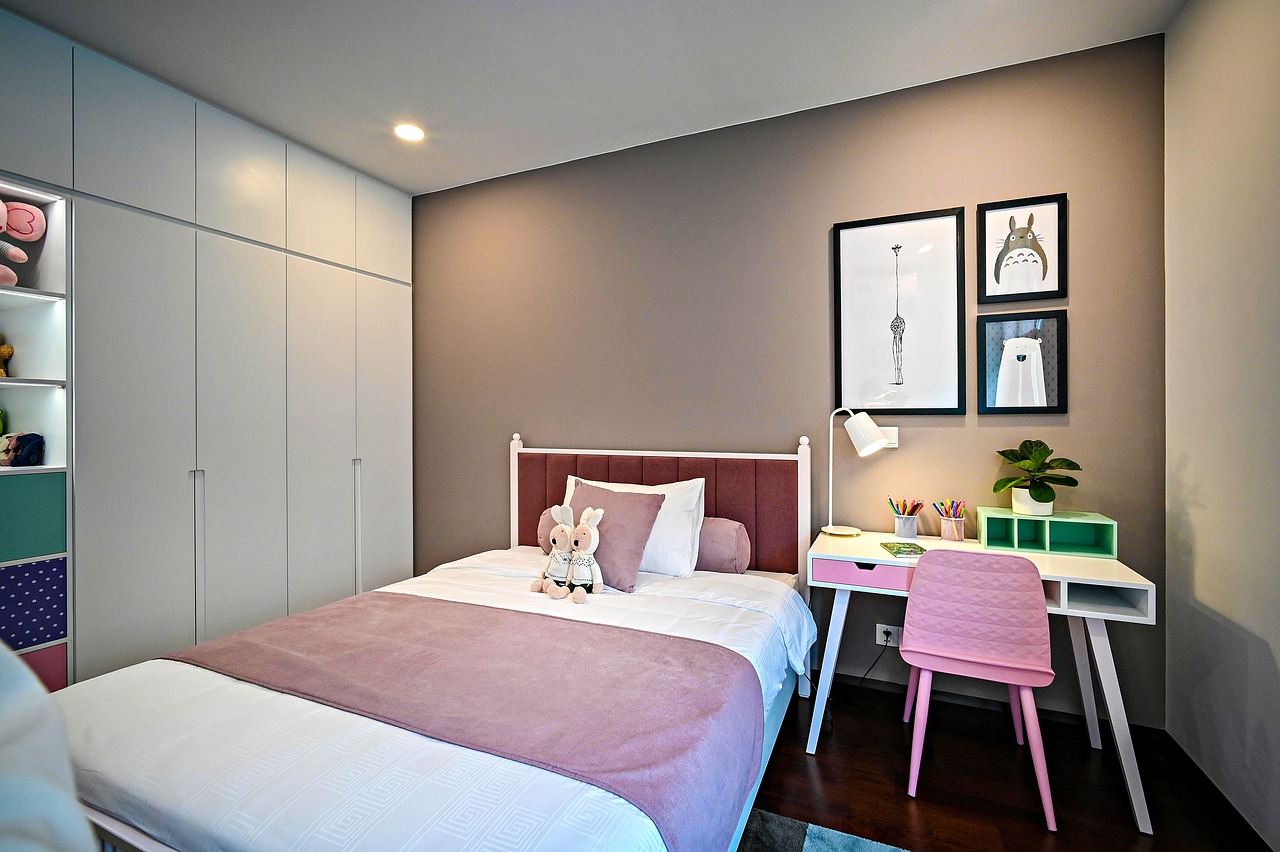
A child’s bedroom is one of the most meaningful rooms in a home. It is more than a place to sleep. It is where bedtime stories are read, favourite toys are collected, school projects are started, quiet moments are enjoyed, and imagination has room to grow. A well-designed bedroom can support rest, creativity, independence, learning, and play, all while giving your child a space that feels truly their own.
\n
\nAt Lifestyle Renovations, we believe every bedroom renovation should reflect the people who use the space every day. When it comes to a child’s bedroom, that means balancing beauty with safety, function with fun, and long-term planning with the changing needs of a growing child. A nursery may need to support feeding, sleeping, and storage. A toddler’s bedroom may need soft surfaces, easy organization, and room for play. A school-aged child may need a reading corner, craft area, or homework zone. A tween or teen may want a bedroom that feels more personal, mature, and flexible.
\n
\nThis article is Part 1 of our two-part series on creating kid-friendly bedroom spaces. In this first part, we will focus on the foundational elements of a successful child’s bedroom renovation: safety, adaptable furniture, playful themes, practical storage, interactive spaces, and cozy bedding. These are the features that help create a bedroom that works today and can continue to work as your child grows.
\n
\nIn 2026, homeowners are paying more attention to wellness, comfort, personalization, flexible storage, and smarter use of space. These trends are especially important in children’s bedrooms because the room often needs to serve more than one purpose. It may be a sleep space, playroom, reading nook, study zone, dressing area, and storage hub all at once. With thoughtful planning, even a small bedroom can become a safe, organized, inspiring, and comfortable retreat.
\n
Why a Child’s Bedroom Deserves Thoughtful Planning

\n
\nIt is easy to think of a child’s bedroom as a simple decorating project: choose a paint colour, add a bed, buy a dresser, and bring in some toys. But a truly successful bedroom design goes much deeper. Children use their rooms differently than adults. They move quickly, climb, explore, create, spill, collect, rearrange, and grow. Their bedroom needs to be durable enough for everyday life, flexible enough for changing interests, and calm enough to support rest.
\n
\nThe best child-friendly bedroom renovations begin with a plan. Before choosing furniture or paint, it helps to ask a few important questions. How old is your child now? How long do you want this bedroom design to last? Does the room need to support one child or more than one? Is storage currently a problem? Does your child need a desk, reading area, or play zone? Are there any safety concerns with windows, furniture, electrical outlets, lighting, or layout? Does the bedroom feel calm at bedtime, or is it overstimulating?
\n
\nThese questions help shape a bedroom that is not only attractive but also practical. A beautiful room is wonderful, but a bedroom that supports daily routines is even better. When the space is designed well, it becomes easier for children to tidy up, choose clothes, settle down at night, focus on homework, and feel proud of their own environment.
\n
\nA child’s bedroom should also connect with the rest of the home. It can be playful and imaginative without feeling disconnected from your home’s overall style. In 2026, many families are moving away from overly themed rooms that children quickly outgrow. Instead, they are choosing warm colours, natural textures, flexible furniture, layered lighting, and removable decorative features that can evolve over time.
\n
1. Safety First in Every Bedroom Renovation
\nSafety should always be the first priority in a child’s bedroom. Children are naturally curious. They climb, pull, reach, crawl under furniture, jump from beds, and turn ordinary objects into part of their play. A safe bedroom does not mean removing all creativity or fun. It means designing the room so your child can explore with fewer risks.
\n
Choose Furniture with Rounded Edges
\nFurniture with rounded edges is a smart choice for a child’s bedroom, especially for younger children. Sharp corners on bed frames, nightstands, desks, shelves, and dressers can lead to bumps and bruises during active play. Rounded edges, softened corners, and smooth finishes make the room safer without sacrificing style.
\n
\nIf you are renovating a bedroom for a toddler or young child, consider how they move through the room. Are there narrow spaces between the bed and dresser? Is there a hard corner near the doorway? Is the nightstand at head height? These small details can make a big difference.
\n
\nFor older children, rounded edges may still be useful, but you may have more flexibility with furniture style. The key is to match the design to your child’s age, habits, and personality.
\n
Anchor Heavy Furniture
\nOne of the most important bedroom safety steps is securing heavy furniture to the wall. Dressers, bookshelves, wardrobes, storage units, and even some desks can tip if a child climbs on them or pulls out multiple drawers at once. In a child’s bedroom, furniture should never be treated as stable simply because it looks heavy.
\n
\nAnchoring furniture to wall studs or using appropriate wall anchors is a practical and essential safety measure. This is especially important for tall or narrow pieces, freestanding bookshelves, dressers, and storage cabinets. If your child’s bedroom includes a television, it should also be securely mounted or placed on a stable, properly anchored unit.
\n
\nA bedroom renovation is the perfect time to address these issues because furniture placement, wall access, and layout can all be reviewed together. If built-in storage is part of the renovation, it can be designed to provide a safer and more permanent solution than multiple freestanding pieces.
\n
Pay Attention to Windows and Window Coverings
\nWindows bring natural light into a bedroom, but they also require careful planning in a child’s space. Furniture should not be placed in a way that encourages climbing near windows. Beds, desks, toy chests, and low shelves should be positioned carefully so children cannot easily climb up to access a window.
\n
\nWindow coverings are another important safety consideration. Corded blinds and shades can pose hazards for young children. In modern bedroom renovations, cordless window coverings are now the preferred choice for children’s rooms. Cordless blinds, roller shades, shutters, or motorized options can provide privacy and light control while reducing risks associated with long or looped cords.
\n
\nBeyond safety, window coverings also affect sleep. Blackout or room-darkening options can be useful in a child’s bedroom, especially during long summer evenings or for children who nap during the day. In Calgary, where daylight hours vary significantly by season, proper window coverings can help make bedtime routines more consistent.
\n
Use Child-Safe Electrical Planning
\nElectrical planning is often overlooked in a bedroom renovation, but it is especially important in a child’s bedroom. Outlets should be placed conveniently but safely. If the room will include lamps, nightlights, chargers, a sound machine, humidifier, or desk lighting, it is better to plan for these needs than rely on overloaded extension cords.
\n
\nFor younger children, tamper-resistant outlets and safe cord management are important. Cords should not run across walkways or near beds where they can become tangled. If wall sconces, reading lights, or built-in desk lighting are part of the renovation, they should be professionally installed and placed where they are easy to use without creating hazards.
\n
\nLighting controls should also be child-friendly. A switch near the door is standard, but a bedside switch, dimmer, or smart control may make the bedroom more comfortable and functional. For children who are afraid of the dark, layered lighting can help create a softer transition from playtime to bedtime.
\n
Select Durable and Low-Odour Finishes
\nPaint, flooring, adhesives, and finishes can affect how a bedroom feels and functions. For a child’s bedroom, many homeowners prefer low-odour or low-VOC paint options, especially because children spend many hours sleeping in their rooms. Durable, washable paint finishes are also practical because walls in children’s rooms often face fingerprints, scuffs, art projects, and everyday wear.
\n
\nFlooring should be comfortable, easy to clean, and appropriate for the child’s age. Carpet can add softness and warmth, while luxury vinyl plank, engineered hardwood, or laminate can offer durability and easier cleanup. Area rugs can help soften hard flooring while adding colour, texture, and comfort.
\n
\nA safe bedroom is not only about preventing accidents. It is also about creating a healthy, comfortable environment where your child can rest, play, and grow.
\n
2. Choose Bedroom Furniture That Grows with Your Child
\nChildren change quickly, and their bedrooms need to change with them. One of the best ways to make a bedroom renovation last longer is to choose furniture that can adapt over time. This does not mean every piece must be expensive or custom-built. It means thinking ahead before buying items that may only work for a short stage.
\n
Convertible Cribs and Beds
\nFor nurseries and young children’s bedrooms, convertible furniture can be a smart investment. A convertible crib may transition into a toddler bed and later into a larger bed frame. This can help maintain continuity in the bedroom and reduce the need to replace major furniture pieces every few years.
\n
\nFor older children, consider whether a twin bed, full bed, loft bed, bunk bed, or daybed best suits the room. A smaller bedroom may benefit from a loft bed with a desk or storage underneath, while a shared bedroom may require bunk beds or built-in sleeping areas. However, safety and age appropriateness should always guide these decisions.
\n
\nBuilt-in beds can also be a beautiful option in some bedroom renovations. A built-in bed with drawers underneath, side shelving, or integrated lighting can make excellent use of space. This is especially helpful in smaller bedrooms where storage is limited.
\n
Adjustable Desks and Work Surfaces
\nAs children grow, their need for a workspace often increases. A young child may need a small table for colouring and crafts. A school-aged child may need a desk for homework. A teenager may need a more complete study area with storage, charging access, and good task lighting.
\n
\nAn adjustable desk or flexible work surface allows the bedroom to support different stages. If a built-in desk is part of the renovation, consider height, legroom, lighting, outlet placement, and storage for school supplies. A desk should feel inviting, not like an afterthought squeezed into a corner.
\n
\nEven if your child does homework elsewhere in the home, a small bedroom workspace can still be useful for drawing, reading, building, writing, or quiet activities.
\n
Storage Beds and Multi-Functional Pieces
\nStorage is one of the biggest challenges in any child’s bedroom. Toys, books, clothing, sports gear, art supplies, stuffed animals, and school items can quickly overwhelm the room. Multi-functional furniture can help.
\n
\nA bed with drawers underneath, a bench with storage, a nightstand with shelves, or a desk with built-in drawers can reduce clutter while keeping items accessible. In 2026, storage-forward design continues to be a major focus in home renovations because families want rooms that feel calm and organized without wasting space.
\n
\nWhen choosing multi-functional furniture, look for pieces that are easy for your child to use. If drawers are too heavy, shelves are too high, or bins are difficult to access, the system may not work long term. The best storage is simple, practical, and matched to your child’s daily habits.
\n
Avoid Overfilling the Bedroom
\nIt can be tempting to include every possible feature in a child’s bedroom: bed, dresser, desk, bookshelf, toy storage, reading chair, craft table, play tent, and more. But too much furniture can make a bedroom feel crowded and difficult to use.
\n
\nChildren need open floor space. A bedroom should allow safe movement, comfortable play, and easy cleaning. Before adding furniture, think about what the room truly needs. In many cases, fewer, better-planned pieces will create a more functional bedroom than a room filled with mismatched storage and furniture.
\n
3. Use Themes and Colours That Spark Imagination
\nA child’s bedroom should feel joyful and personal. Themes and colour palettes can help create that sense of wonder. However, the best bedroom designs balance imagination with flexibility. Children’s interests change quickly, so a room that is too specific may feel outdated within a year or two.
\n
Choose a Theme That Can Grow
\nThemes can be wonderful in a child’s bedroom. Space, forests, animals, sports, dance, books, nature, oceans, travel, dinosaurs, cars, music, or art can all inspire a beautiful room. The key is to apply the theme in a way that can evolve.
\n
\nInstead of covering every surface with one character or trend, consider using a broader theme. For example, instead of a very specific cartoon bedroom, choose a soft adventure theme with maps, stars, cozy textures, and natural colours. Instead of a princess-only room, consider a dreamy storybook bedroom with soft lighting, elegant storage, and removable decorative accents.
\n
\nThis approach gives the bedroom personality while making it easier to update as your child grows.
\n
Use Removable Decor for Flexibility
\nRemovable wallpaper, wall decals, framed prints, bedding, cushions, and accessories are excellent tools for a child’s bedroom. They allow you to add colour and personality without making permanent choices that may need to be changed later.
\n
\nFor example, a bedroom can have neutral walls, warm wood furniture, and simple built-ins, then use removable decor to create a dinosaur theme, ballet theme, sports theme, or nature theme. When your child’s interests change, the main bedroom design still works.
\n
\nThis is especially useful in a renovation because permanent elements such as flooring, built-ins, lighting, and major furniture should have longevity. Decorative layers can be more playful and easier to refresh.
\n
Consider Colour Psychology and Rest
\nColour affects the mood of a bedroom. Bright, bold colours can be energizing and fun, but they can also feel overstimulating if used everywhere. Softer shades can create a calmer environment for sleep while still allowing playful accents.
\n
\nIn 2026, bedroom design trends are leaning toward warmer, cozier palettes. Soft greens, muted blues, warm neutrals, dusty pinks, clay tones, gentle yellows, and earthy colours can all work beautifully in a child’s bedroom. These colours feel current without being overly trendy.
\n
\nFor children who love bold colours, consider using them in smaller areas: a painted door, accent wall, bookcase backing, bedding, artwork, or rug. This gives the bedroom energy without overwhelming the space.
\n
Let Your Child Be Part of the Process
\nA child’s bedroom should reflect the child who uses it. When appropriate, involve your child in some design choices. This does not mean giving them complete control over every renovation decision, but it can mean letting them choose between two colour palettes, select artwork, pick bedding, or decide on a theme.
\n
\nWhen children feel included, they are more likely to feel proud of their bedroom and take care of it. Their involvement also helps the room feel personal rather than simply designed for them.
\n
\nFor younger children, keep choices simple. For older children and teens, deeper involvement may be appropriate, especially if the renovation is meant to last several years.
\n
4. Create Smart Storage for a Clutter-Free Bedroom
\nA clutter-free bedroom does not happen by accident. Children collect things, and without the right storage, even a beautifully renovated bedroom can quickly become messy. Smart storage is one of the most important parts of a kid-friendly bedroom design.
\n
Plan Storage Around Real Life
\nBefore choosing storage, look at what your child actually owns and uses. Do they have more books than toys? Lots of clothing? Sports equipment? Craft supplies? Dolls, Lego, costumes, stuffed animals, or collectibles? The storage plan should match the child’s belongings.
\n
\nA generic dresser and toy box may not be enough. A more effective bedroom storage plan might include open shelves for books, closed cabinets for clutter, bins for toys, hooks for bags and costumes, drawers under the bed, and a closet system designed for smaller clothing.
\n
\nThe best bedroom storage is easy to maintain. If a child cannot reach it, open it, or understand where things go, it will not work.
\n
Use Open Shelving Thoughtfully
\nOpen shelving can be very useful in a child’s bedroom. It allows children to see and access favourite books, toys, and decorative items. It can also make a bedroom feel personal and lively.
\n
\nHowever, open shelving works best when it is not overloaded. Too many small items on display can make the room feel cluttered. Mix open shelving with closed storage so everyday mess can be tucked away.
\n
\nFor safety, freestanding shelves should be anchored. Built-in shelves can offer a more secure and polished solution, especially in a renovation.
\n
Add Baskets, Bins, and Labels
\nBaskets and bins are practical, flexible, and child-friendly. They can hold toys, blocks, stuffed animals, craft supplies, seasonal items, or dress-up clothes. Soft-sided bins are often a good choice for younger children because they are lightweight and easy to move.
\n
\nLabels make storage easier. For young children, picture labels can help them identify where items belong. For older children, simple written labels can support independence and organization. A labelled storage system helps children participate in tidying their own bedroom.
\n
\nStorage can also become part of the room’s design. Baskets in natural textures, colourful bins, or built-in cubbies can add charm while serving a practical purpose.
\n
Improve the Closet
\nA child’s bedroom closet is often underused. Standard closet rods are usually designed for adults, which can make them impractical for children. During a bedroom renovation, consider adjusting the closet to better match your child’s needs.
\n
\nDouble hanging rods, lower shelves, drawers, cubbies, hooks, and baskets can make a closet much more useful. Younger children may benefit from lower storage they can reach. Older children may need space for school clothes, sports gear, accessories, and laundry.
\n
\nA well-designed closet can reduce the need for extra furniture in the bedroom, freeing up floor space for play or study.
\n
Consider Built-In Storage
\nBuilt-in storage can be one of the best investments in a child’s bedroom renovation. Built-ins can be designed around the room’s exact dimensions, making use of awkward corners, sloped ceilings, alcoves, or window areas.
\n
\nBuilt-in wardrobes, bookcases, benches, desks, and bed surrounds can create a polished look while maximizing space. They also reduce the need for multiple freestanding pieces, which can make the bedroom feel cleaner and safer.
\n
\nFor long-term value, built-ins should be designed with flexibility. Adjustable shelves, neutral finishes, and timeless hardware can help the storage adapt as your child grows.
\n
5. Design Interactive Spaces That Inspire Creativity
\nA child’s bedroom should support more than sleep. It should provide room for imagination, reading, creativity, and quiet play. Interactive spaces make the bedroom more engaging and meaningful.
\n
Create a Reading Nook
\nA cozy reading nook is one of the simplest and most valuable additions to a child’s bedroom. It does not need to be large. A soft chair, floor cushion, built-in bench, small bookshelf, and warm light can create a beautiful reading corner.
\n
\nReading nooks encourage calm, quiet time. They can also become part of the bedtime routine. For younger children, place books at an accessible height so they can choose independently. For older children, include lighting that is bright enough for reading but soft enough for evening use.
\n
\nA bedroom reading nook can be tucked beside a window, under a loft bed, in a corner, or within a built-in storage wall. The goal is to make the space feel inviting.
\n
Add a Creative Wall or Display Area
\nChildren create artwork, school projects, drawings, and collections. Instead of letting these items pile up, give them a place to be displayed. A magnetic board, corkboard, clip rail, framed rotating gallery, or chalkboard wall can make the bedroom feel interactive.
\n
\nA display area also gives children ownership of their space. They can change what is shown, celebrate their creativity, and keep special items visible.
\n
\nIf you use chalkboard or whiteboard paint, place it in an area that is easy to clean and not too close to bedding or upholstered furniture. For a lower-maintenance option, a framed board may be more practical.
\n
Include Space for Quiet Play
\nNot every bedroom needs a large play area, but a child’s bedroom should have some open space for movement and imagination. This might be a rug in the centre of the room, a small play table, a dollhouse corner, a building block zone, or a soft area for pretend play.
\n
\nIn smaller bedrooms, the key is flexibility. A rug and a few storage bins may be enough. Foldable tables, nesting stools, or under-bed storage can allow the room to shift between play and rest.
\n
\nAs children get older, the play area may become a music corner, art space, gaming setup, study area, or lounge zone. Planning flexible space helps the bedroom remain useful over time.
\n
Support Sensory Comfort
\nSome children are more sensitive to noise, light, texture, or clutter. A well-designed bedroom can support sensory comfort by including soft surfaces, calm colours, organized storage, adjustable lighting, and cozy materials.
\n
\nBlackout curtains, plush rugs, soft bedding, dimmable lights, and quiet corners can all help create a calmer bedroom. For some children, a canopy, bed tent, or enclosed reading nook can create a comforting sense of retreat.
\n
\nSensory-friendly design does not need to look clinical. It can be warm, beautiful, and integrated into the overall bedroom design.
\n
6. Choose Cozy Bedding for Better Rest
\nThe bed is the heart of any bedroom. In a child’s bedroom, bedding plays both a practical and emotional role. It affects sleep comfort, room style, and the overall feeling of the space.
\n
Select Comfortable, Washable Materials
\nChildren’s bedding should be soft, durable, and easy to wash. Cotton, cotton blends, bamboo, linen blends, and other breathable materials can all be good choices depending on the child’s needs and preferences.
\n
\nBecause spills, accidents, and messes happen, easy-care bedding is important. Mattress protectors, washable duvets, extra sheet sets, and durable pillowcases can make life easier for parents while keeping the bedroom fresh.
\n
\nFor younger children, avoid overly complicated bedding arrangements that are difficult to make each morning. Simple layers are often more practical.
\n
Layer Bedding for Warmth and Style
\nLayered bedding can make a bedroom feel cozy and finished. A fitted sheet, duvet or comforter, quilt, throw blanket, and a few pillows can add softness and personality. However, the number of layers should match the child’s age and ability to manage the bed.
\n
\nIn Calgary, where winters can be cold, cozy bedding is especially important. Warm layers can help create a comfortable sleep environment without relying only on heating. In warmer months, lighter bedding can keep the bedroom comfortable.
\n
\nLayered bedding is also an easy way to update the room’s style. If the main bedroom design is neutral, bedding can bring in colour, pattern, and theme.
\n
Make the Bed Feel Personal
\nA child’s bed should feel like their own special place. Letting your child choose a blanket, pillow, stuffed animal, or bedding pattern can help create that connection. Personal touches make bedtime feel more comforting.
\n
\nFor some children, a favourite blanket or plush toy is part of their sleep routine. For older children, personalized pillows, textured throws, or more mature bedding can help the bedroom feel age-appropriate.
\n
\nThe goal is to create a sleep space that feels safe, cozy, and inviting.
\n
Keep Sleep and Play in Balance
\nA child’s bedroom often has to serve many purposes, but sleep should remain the priority. If the room is too cluttered, bright, noisy, or overstimulating, it may be harder for children to settle down.
\n
\nTry to separate active play from the bed area when possible. Keep the bed visually calm, even if other parts of the room are colourful and playful. Dimmable lighting, soft bedding, and a consistent layout can help signal that the bedroom is also a place for rest.
\n
Bringing the Bedroom Together
\nA successful child’s bedroom renovation is not about creating a perfect showroom. It is about creating a room that works for real family life. The best bedroom designs are safe, flexible, organized, personal, and comfortable.
\n
\nStart with safety. Anchor furniture, choose safer window coverings, plan electrical features properly, and select durable finishes. Then think about adaptability. Choose furniture and storage that can grow with your child. Add personality through themes, colours, bedding, and removable decor. Create storage that your child can actually use. Include interactive spaces that support creativity, reading, and quiet play. Finally, make the bed a cozy place for rest.
\n
\nIn 2026, the strongest bedroom renovation ideas are focused on wellness, warmth, flexibility, and thoughtful function. For a child’s bedroom, that means designing a room that feels joyful without being chaotic, practical without being plain, and personal without being difficult to update.
\n
\nYour child’s bedroom is more than four walls and furniture. It is a space where they begin and end each day. It is where they dream, learn, play, rest, and grow. With the right renovation plan, that bedroom can become one of the most special rooms in your home.
\n
\nIn Part 2 of this series, we will continue exploring kid-friendly bedroom renovation ideas, including lighting, flooring, shared bedroom layouts, study zones, technology, decorative details, and how to transition a child’s bedroom as they grow into the next stage.
Related Posts
Master Suite Design Guide: How to Create a Luxurious Retreat at Home
