


LifeStyle Renovations Blog
Kitchen Renovation Cost Calgary 2026: Budget, Prices & Planning

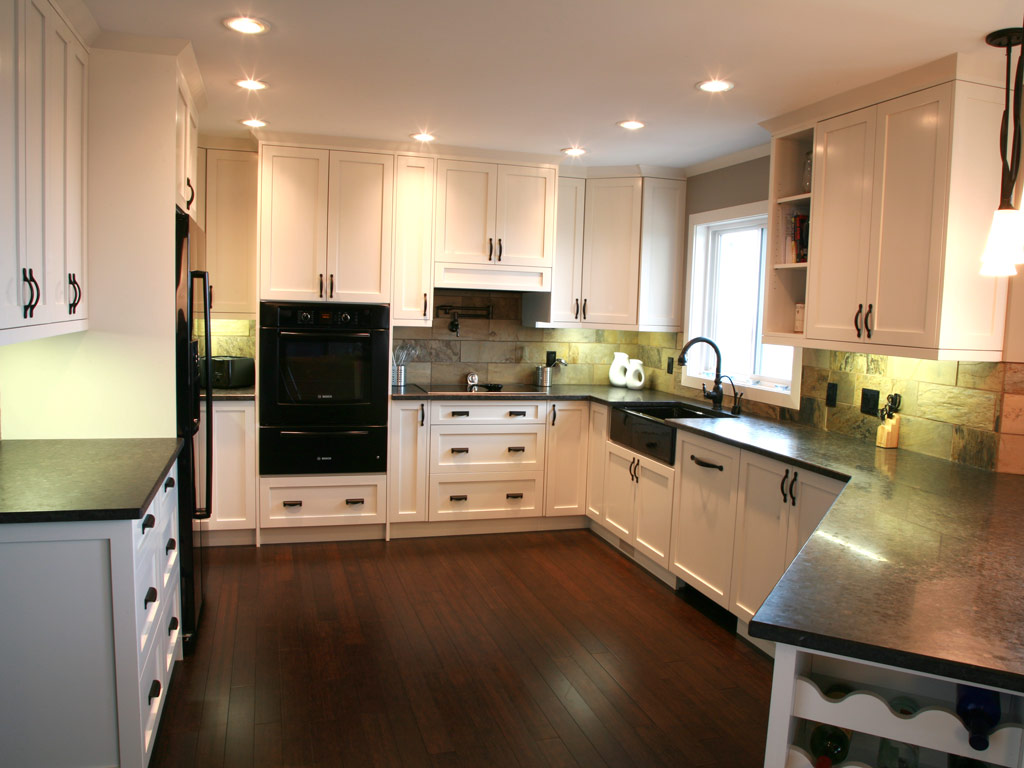
Planning a kitchen renovation in Calgary usually starts with two questions: What will it cost? and how do we get the most value from the budget? The answers depend on far more than square footage. Cabinetry, layout changes, structural work, plumbing, electrical, countertops, appliances, flooring, lighting and the condition of the existing home can all change the final number.
This 2026 guide is designed to help Calgary homeowners build a realistic starting budget before requesting a detailed renovation quote. It combines current Calgary market context with practical planning advice from a full-service renovation perspective. It is not a fixed price list—every home and project scope is different—but it will help you understand where the money goes, which decisions have the biggest impact, and where thoughtful choices can create an affordable kitchen renovation without sacrificing the parts that matter most.
This guide is focused on cost, budgeting and planning. If you are still gathering ideas, browse our kitchen renovation gallery. If you are ready to move beyond budgeting and explore project planning, design-build services and construction, visit our Kitchen Renovations Calgary page or contact Lifestyle Renovations.
Kitchen Renovation Cost Calgary 2026: Quick Planning Ranges
There is no single “average” kitchen renovation because a cosmetic refresh and a full custom rebuild are fundamentally different projects. For useful planning context, current Calgary renovation cost guides published or updated for 2026 generally divide projects into three broad levels.
| Renovation level | 2026 Calgary planning range | Typical scope |
|---|---|---|
| Cosmetic / targeted refresh | Often $15,000–$30,000 | Keep the general layout; update selected finishes, counters, backsplash, hardware, lighting, paint or some appliances. |
| Full mid-range renovation | Often $25,000–$50,000+ | New cabinetry, countertops, backsplash, flooring, fixtures, lighting and appliances, with limited layout or infrastructure changes. |
| High-end / custom renovation | Often $65,000–$125,000+ | Custom cabinetry, premium surfaces and appliances, major layout changes, structural work, extensive electrical/plumbing and detailed millwork. |
These ranges are planning benchmarks, not a Lifestyle Renovations quotation. Published Calgary cost data varies because contractors define scopes differently and homeowners choose very different products. HomeStars’ current Calgary information, for example, places a mid-range full renovation around $25,000–$50,000 and a high-end renovation around $65,000–$125,000+, while also showing substantial ranges for cabinetry and countertops. See the current Calgary kitchen renovation cost context on HomeStars.
Your actual budget should be built around your kitchen, not an internet average. A compact kitchen that keeps its plumbing, electrical and walls in place may cost less than a larger project that removes a wall, relocates the sink, adds an island, upgrades the panel and uses custom millwork. The most useful next step is always a defined scope and an itemized project estimate.
What Has the Biggest Effect on Kitchen Renovation Cost?
Homeowners often focus on finishes first, but the largest price differences usually come from scope. A beautiful kitchen can be created at many budget levels; what changes the cost fastest is how much of the room and its infrastructure must be rebuilt.
1. Keeping or Changing the Existing Layout
Keeping the sink, dishwasher, range and major walls in roughly the same locations is one of the most effective ways to control a kitchen renovation budget. Once plumbing, gas, electrical or structure must move, additional trades, permits, inspections, design work and labour can enter the project.
That does not mean the layout should never change. A poorly functioning kitchen can justify the investment. The goal is to distinguish between changes that materially improve how the space works and changes that add cost without delivering much day-to-day value.
- Lower-cost approach: keep major services in place and improve storage, lighting, surfaces and cabinetry.
- Moderate approach: make selective appliance or island changes while limiting structural work.
- Higher-cost approach: move plumbing and gas, remove walls, enlarge openings, reconfigure windows or create a new open-concept plan.
2. Cabinetry
Cabinetry is often one of the largest line items in a full kitchen renovation. Current Calgary market guides show a very wide range because stock, semi-custom and fully custom systems are not comparable products.
Before replacing everything, ask two questions: Are the existing cabinet boxes structurally sound? And does the current layout actually work? If the boxes are solid and the layout is good, refinishing or refacing may make sense. If storage is poor, cabinets are failing, or the layout wastes space, replacement may be the better long-term investment.
Ways to control cabinetry cost without making the kitchen look inexpensive include:
- Use standard cabinet sizes wherever possible and reserve custom work for difficult areas.
- Choose drawers and organizers where they improve function most instead of adding accessories everywhere.
- Use a consistent door style and finish rather than several specialty finishes.
- Consider a feature colour or wood tone on the island while keeping perimeter cabinetry simpler.
- Invest in reliable hinges and drawer slides; hardware that fails early is rarely a true saving.
3. Countertops
Countertop cost depends on material, thickness, edge detail, number of seams, cut-outs, slab yield and total square footage. Quartz remains popular because it offers broad design choice and relatively straightforward maintenance, while natural stones can provide unique character with different care requirements.
A practical budget strategy is to choose a durable, widely available surface and keep the edge profile simple. Waterfall ends, book-matched stone, unusually thick builds and full-height slab backsplashes can look exceptional, but they also move the project toward a premium price point.
4. Appliances
Appliances can be a relatively modest part of a renovation or one of its largest discretionary expenses. Decide early whether you want standard freestanding units, counter-depth appliances, a gas range, induction cooking, wall ovens, built-in refrigeration or panel-ready models. Cabinet drawings, electrical, ventilation and sometimes gas work depend on those choices.
Energy use is worth considering alongside purchase price. Natural Resources Canada maintains current information on ENERGY STAR certified kitchen appliances, including refrigerators, dishwashers and electric cooking products.
5. Flooring and Subfloor Conditions
Flooring is often budgeted as a simple per-square-foot item, but demolition and subfloor repair can change the real cost. Older tile may reveal damaged underlayment, height transitions or previous repairs. If walls or cabinets move, flooring may also need to extend into areas that were previously covered.
Choose flooring for durability, maintenance and how it transitions into adjacent rooms. Sometimes continuing an existing floor creates the cleanest result; in other homes, a deliberate transition is more economical and practical.
6. Lighting and Electrical
Kitchen lighting should combine ambient, task and decorative layers. Pot lights alone rarely create the best working environment. Under-cabinet lighting, island pendants, well-positioned receptacles and dedicated circuits for appliances can substantially improve function.
Electrical scope matters because Calgary requires permits when existing branch circuit wiring is extended or altered. The City states that replacing fixtures alone does not require an electrical permit, while new wiring or changes to branch circuits do. See the City of Calgary’s electrical and plumbing permit guidance.
7. Plumbing, Gas and Ventilation
Relocating a sink, adding a prep sink, moving a dishwasher or installing new water lines can increase plumbing scope. Gas appliances require qualified work and permits, and changing a range hood can involve ventilation changes depending on the home and appliance.
The City of Calgary states that plumbing and gas installations—including alterations to existing systems—require permits. Contractors must obtain the appropriate permits for work they perform. Current requirements are available on the City’s plumbing and gas permit page.
2026 Kitchen Renovation Budget by Component
The following table is best used as a budgeting checklist rather than a quotation. Some projects will spend heavily in one category and very little in another.
| Budget category | What to include | Cost-control opportunity |
|---|---|---|
| Design & planning | Measurements, layout, selections, drawings, scope development | Make major decisions before construction starts. |
| Demolition & disposal | Cabinet removal, flooring, walls, disposal, site protection | Avoid unnecessary demolition if sound elements can remain. |
| Cabinetry | Boxes, doors, panels, fillers, hardware, organizers, installation | Use custom solutions selectively. |
| Countertops | Material, fabrication, cut-outs, installation, edge details | Simple profiles and efficient slab layouts can help. |
| Appliances | Fridge, cooking, hood, dishwasher, microwave, specialty appliances | Choose the package before cabinet and electrical plans are finalized. |
| Plumbing | Sink, faucet, dishwasher, water lines, drains, permits if required | Keep major plumbing locations when the layout already works. |
| Electrical & lighting | Circuits, receptacles, pot lights, pendants, under-cabinet lighting, permits | Plan all lighting and appliance loads together. |
| Flooring | Removal, preparation, material, installation, transitions | Evaluate the subfloor early. |
| Backsplash | Tile or slab, setting materials, grout, installation | Simple tile layouts usually reduce labour. |
| Painting & finishing | Walls, ceiling, trim, touch-ups | Keep the finish palette disciplined. |
| Permits & inspections | Building/trade permits where required | Define scope before work starts so permit needs are clear. |
| Contingency | Unexpected conditions or approved scope changes | Protect 10–15% of the working budget instead of spending every dollar on finishes. |
How Much Should You Keep for Contingency?
A contingency is not “extra money to spend.” It is protection against the unknown. Kitchens often contain plumbing, electrical and structural conditions that cannot be fully verified until demolition begins.
For a straightforward renovation in a newer home, a smaller contingency may be reasonable. For an older Calgary home, a project involving wall removal, or a renovation where previous work is hidden behind finishes, a larger reserve can provide more protection.
A common planning approach is to reserve roughly 10–15% of the working renovation budget. If the project finishes without needing it, that is a success—not a missed opportunity to add last-minute upgrades.
Affordable Kitchen Renovation: Where to Save
An affordable kitchen renovation is not necessarily the cheapest kitchen. The best value usually comes from controlling complexity while investing in the components that receive the most use.
Keep the Layout When It Already Works
If circulation, appliance placement and storage zones are functional, keeping the general layout can preserve budget for better cabinetry, counters or lighting. Moving a sink six feet simply because a new rendering looks different may not create enough value to justify the associated plumbing and construction work.
Use Standard Sizes Strategically
Custom cabinetry is useful when it solves a real design problem. It does not have to be used everywhere. Standard modules combined with carefully planned panels, fillers and a few custom elements can deliver a tailored appearance at a more controlled cost.
Choose One Feature Instead of Five
A statement island, dramatic hood, premium backsplash, specialty stone and elaborate lighting can all compete for the same budget. Choose the feature that matters most and let the other materials support it.
Spend on Lighting
Lighting changes how every other material looks. A well-lit mid-range kitchen often feels more refined than an expensive kitchen with poor task lighting. Under-cabinet lighting, good colour quality and thoughtfully placed ceiling fixtures are usually worth protecting in the budget.
Buy Appliances for the Way You Cook
A professional-style range may be worthwhile for an avid cook but unnecessary for another household. Similarly, an oversized refrigerator can reduce counter or pantry space. Right-sizing appliances can improve both budget and layout.
Where Cutting Cost Can Backfire
Some savings are visible immediately. Others create problems months or years later. Areas where quality and qualified work matter include:
- Electrical and plumbing: safety, code compliance and future reliability matter more than the lowest labour price.
- Water-sensitive areas: sink bases, dishwashers and flooring transitions need correct installation.
- Cabinet installation: poor installation can make good cabinetry look bad and affect door alignment, countertops and appliance fit.
- Ventilation: an undersized or poorly ducted hood can leave heat, grease and odours in the home.
- Project coordination: gaps between trades can create delays and expensive rework.
If two quotes are very different, compare scope line by line. One may exclude demolition, design, permits, electrical, finishing, disposal or project management that another includes.
Do You Need a Permit for a Kitchen Renovation in Calgary?
Not every kitchen renovation requires the same permits. Cosmetic work such as painting or replacing like-for-like finishes may not trigger the same approvals as structural, electrical, plumbing or gas changes.
Current City of Calgary guidance is clear on several common situations:
- An electrical permit is required for new wiring and when existing branch circuits are extended or altered.
- A plumbing permit is required when a plumbing system is constructed, extended or altered; replacing existing faucets and fixtures alone does not require a plumbing permit.
- Gas work requires the appropriate gas permit and qualified work.
- Structural or broader interior renovation work may require building safety approval depending on the scope.
Permit fees and requirements can change, so always use current City information rather than an old blog post or contractor estimate. Calgary publishes a 2026 Building & Trade Permit Fee Schedule and current permit review guidance.
What Does a Kitchen Renovation Timeline Look Like?
Construction time is only one part of a kitchen renovation. A realistic schedule should also include design, decisions, ordering and permit requirements.
- Discovery and priorities: identify problems, goals, must-haves and working budget.
- Design and layout: confirm cabinet configuration, appliances, clearances and key elevations.
- Selections: finalize cabinetry, counters, flooring, plumbing fixtures, lighting and hardware.
- Permits and ordering: obtain required permits and order long-lead products.
- Site preparation and demolition: protect adjacent spaces and remove affected finishes.
- Rough-ins and structural work: complete framing, electrical, plumbing, gas and ventilation work as required.
- Installation: drywall/repair, flooring where applicable, cabinetry, counters, backsplash, fixtures and appliances.
- Finishing and walkthrough: paint, trim, adjustments, deficiencies and final review.
The exact sequence varies. Custom cabinetry and specialty products can extend lead times, while a simpler project using readily available materials may move faster. Making selections before demolition is one of the best ways to avoid preventable delays.
Should You Renovate the Kitchen Before Selling?
A kitchen renovation can improve marketability, but the best pre-sale strategy is not always a complete custom rebuild. The right level of investment depends on the home, neighbourhood, existing condition and expected sale price.
If a kitchen is functional but visibly dated, targeted improvements—paint, hardware, lighting, backsplash, counters or selective cabinet work—may create a stronger return than a major layout change. If the kitchen has functional problems or is substantially below the standard buyers expect for the property, a larger renovation may be justified.
For homeowners planning to stay, return on investment should also include the years of daily use. Better storage, lighting, circulation and work surfaces can improve how the home functions long before resale becomes relevant.
Kitchen Renovation Cost vs. Value: How to Make Better Decisions
The strongest budgets connect every major expense to a reason. Before approving an upgrade, ask:
- Does this improve function?
- Does it solve a maintenance or durability issue?
- Will we use it regularly?
- Does it support the overall design?
- Could the same result be achieved with a simpler option?
This framework makes it easier to separate worthwhile investments from features that looked exciting during selection appointments but do not materially improve the finished kitchen.
How Lifestyle Renovations Approaches Kitchen Budget Planning
Good budget planning starts before demolition. A coordinated renovation process should connect the layout, product selections, trade requirements and schedule so homeowners can see how decisions affect the overall project.
At Lifestyle Renovations, our kitchen renovation process can include design guidance, project planning, trade coordination and construction. The objective is not to force every kitchen into the same price category. It is to define the project clearly enough that homeowners can make informed decisions about where to invest and where to simplify.
See our Calgary renovation design services for more about the planning process, or explore completed work in the Kitchen Renovations Gallery.
Kitchen Renovation Cost Calgary FAQs
How much does a kitchen renovation cost in Calgary in 2026?
Current Calgary market guides show a wide range. A targeted cosmetic update may begin around the mid-five figures, mid-range full renovations are commonly reported around $25,000–$50,000+, and high-end custom projects can reach $65,000–$125,000 or more. Your actual cost depends on scope, cabinetry, layout, appliances, surfaces, trade work and existing conditions.
What is the most expensive part of a kitchen renovation?
Cabinetry is frequently one of the largest line items, but there is no universal answer. A project with structural changes, extensive electrical/plumbing work or premium appliances can shift a much larger share of the budget into those categories.
Can I renovate a kitchen in Calgary on a smaller budget?
Yes, especially if the existing layout works. Keeping major services in place, refacing or selectively replacing cabinetry, choosing durable mid-range materials and limiting structural changes can create a meaningful update with a more controlled budget.
How much contingency should I include?
A planning reserve of about 10–15% is common for renovations. Older homes, structural work and projects with unknown conditions may justify a larger reserve. The contingency should protect the project from surprises, not become an automatic upgrade fund.
Do I need a permit to replace kitchen cabinets in Calgary?
Replacing cabinetry or finishes alone is different from altering building structure or trade systems. Permit requirements depend on the scope. Electrical wiring changes, plumbing alterations and gas work have specific City permit requirements. Confirm the current requirements before work begins.
Does moving a kitchen sink increase renovation cost?
Usually. Moving a sink can require new supply and drainage routes, opening walls or floors, trade labour and a plumbing permit. If the existing location works well, keeping it can be an effective budget-saving decision.
Is a kitchen island always worth the cost?
No. An island should improve storage, prep space, seating or circulation. In a kitchen that is too narrow, an island can make movement worse. A peninsula or better perimeter cabinetry may sometimes provide more value.
How can I compare kitchen renovation quotes?
Compare scope rather than only the final number. Confirm whether design, demolition, disposal, cabinetry, counters, flooring, electrical, plumbing, permits, painting, appliances, project management and taxes are included or excluded. Large price differences often come from different scopes.
How long does a kitchen renovation take?
The construction phase varies by project size and complexity, but planning and product lead times are just as important. Custom cabinetry, structural work, permits and specialty materials can extend the schedule. A defined design and complete selections before demolition help reduce avoidable delays.
What is the best way to save money without making the kitchen look cheap?
Keep the layout where practical, simplify expensive details, use custom elements selectively, protect the lighting budget and choose one or two focal features instead of upgrading every category. Good proportions, coordinated finishes and careful installation matter more than choosing the most expensive option in every area.
Ready to Build a Realistic Kitchen Renovation Budget?
Online cost ranges are useful for early planning, but the number that matters is the one built around your actual space and goals. If your next step is moving from budgeting into project planning, Lifestyle Renovations can help you define the scope, identify the decisions that have the greatest budget impact and create a plan that balances function, design and long-term value.
Next steps:
- Kitchen Renovations Calgary
- View our Kitchen Renovation Gallery
- Learn about Design Services
- Read Calgary homeowner testimonials
- Book a consultation
A well-planned kitchen renovation should do more than look new. It should make daily life easier, use the available space better and give you confidence that your budget is being spent where it matters most.
Related Posts
Lighting Renovations – Recessed Lighting Pros & Cons

Bathroom Renovation Cost Calgary 2026: Budget, Prices & Planning

Home Renovation Mistakes to Avoid: Expert Tips

How to Choose a Kitchen Sink: A Comprehenisive Guide
Free Expert Tips for a Cleaning a Kitchen – Part 2
Choosing the Perfect Kitchen Table