

LifeStyle Renovations Blog
Why a Fireplace Continues to Be One of the Most Desired Home Features

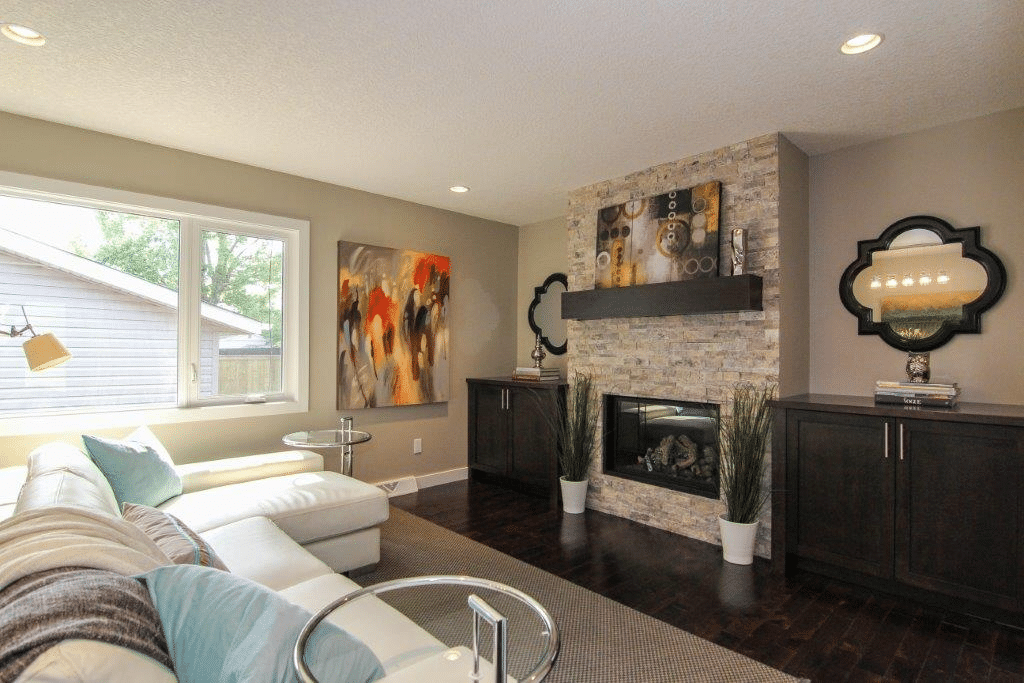
Why adding a Fireplace – One of the Most Desired Home Features
Adding a fireplace has long been one of the most cherished features a homeowner can have. Beyond its ability to heat a space, a fireplace creates an atmosphere that few other design elements can match. There is something inherently comforting about the glow of flames, the gentle crackle of fire, and the way a fireplace naturally draws people together. It adds emotional warmth just as much as physical heat.
The Benefits of a Fireplace
A fireplace offers more than visual appeal. When thoughtfully selected and installed, a fireplace provides both practical and lifestyle benefits that improve daily comfort and the overall feel of your home.
Enhanced comfort throughout the home
Even the most advanced heating systems can leave certain areas of a home feeling cool or drafty. A fireplace helps eliminate cold zones by providing localized heat exactly where you need it most. This creates a more balanced and comfortable indoor environment, especially during colder months.
Energy efficiency and cost savings
A fireplace can reduce reliance on your primary heating system. By using a fireplace to warm the most frequently used spaces, homeowners often see lower utility bills. Zone heating allows you to focus heat where it matters instead of warming unused rooms.
A natural gathering space
Fireplaces naturally draw people in. When entertaining guests, family and friends tend to gravitate toward the fireplace, making it an organic focal point for conversation and connection. This social benefit is one of the reasons the fireplace remains timeless.
Increased home value
A well-designed fireplace is a sought-after feature for homebuyers. Whether traditional or modern, a fireplace can enhance resale value by elevating both function and aesthetics.
The Various Fuel Types in Fireplaces
Choosing the right fireplace starts with selecting the appropriate fuel type. Each fireplace option offers unique advantages depending on your space, lifestyle, and heating needs.
Electric
An electric fireplace is among the most popular choices today due to its versatility and ease of use. Electric fireplaces operate by heating internal coils powered by electricity, often assisted by a built-in fan that distributes warmth evenly throughout the room.
One of the biggest advantages of an electric fireplace is flexibility. The flame effect can operate independently from the heating function, allowing you to enjoy the ambiance year-round—even in warmer seasons. Installation is straightforward, maintenance is minimal, and there is no need for venting or fuel storage. An electric fireplace is an excellent choice for condos, apartments, and renovations where structural changes are limited.
Gas
A gas fireplace combines efficiency with convenience. Fueled by natural gas or propane, gas fireplaces offer consistent heat with the push of a button, remote control, or thermostat. Many homeowners appreciate how quickly a gas fireplace warms a room without the mess of wood or ash.
Gas fireplaces are ideal for zone heating and can help reduce heating costs. Direct-vent models require venting, while ventless models can provide more flexibility in installation. Clean-burning and efficient, a gas fireplace is a practical option for busy households.
Gel
A gel fireplace is less common but offers unique advantages. These freestanding fireplace units use gel fuel canisters and require no venting, electrical connection, or gas line. They are especially appealing in spaces where permanent modifications are not possible.
While a gel fireplace provides ambiance rather than substantial heat, it can still enhance the atmosphere of a room. Their portability and modern design make a gel fireplace a stylish accent piece rather than a primary heat source.
Wood-Burning
A wood-burning fireplace remains iconic. Nothing quite matches the aroma, sound, and visual authenticity of a real wood fire. A traditional fireplace like this offers a rustic charm that many homeowners love.
However, a wood-burning fireplace requires more maintenance, including chimney cleaning and wood storage. Venting is essential, and installation costs are typically higher. For homeowners willing to manage upkeep, the reward is an unmatched classic fireplace experience.
Mounting Options for Fireplaces
Once you’ve selected a fuel type, the next step is deciding how your fireplace will be installed. Not every mounting option works with every fireplace type, so it’s important to match the installation style to your home and goals.
Traditional Open-Hearth
The open-hearth fireplace is the classic masonry design built into the wall of a home. This option works with a wood-burning fireplace and uses a chimney for ventilation. While stunning, it is typically the most expensive fireplace installation due to the construction requirements.
Free-Standing
A free-standing fireplace offers the charm of a traditional design without extensive renovation. Depending on fuel type, a free-standing fireplace can be portable or fixed in place. These fireplaces are available in a wide range of styles from vintage to contemporary.
Wall-Mounted
A wall-mounted fireplace is a smart solution for smaller homes, condos, and apartments. Commonly electric, a wall-mounted fireplace can save floor space while making a strong style statement. Some models can be relocated, adding flexibility if you ever redesign your space.
Built-In Fireplace Insert
A fireplace insert allows homeowners to upgrade an existing open-hearth fireplace. Inserts improve efficiency and heat output while preserving the original structure. This is one of the best ways to modernize a fireplace without rebuilding it from scratch.
Factors to Consider When Buying a Fireplace
Choosing a fireplace involves more than selecting a style you like. Your home layout, heating expectations, and long-term maintenance should all guide your decision.
The extent of heat needed
Consider the size of the room and how you want the fireplace to perform. If the fireplace is meant to supplement your heating system, a smaller unit may be enough. If you want the fireplace to significantly contribute to household heating, you will need a higher output model suited to your space.
Location
Where your fireplace will be installed matters. Wood-burning fireplaces, for example, often work best near external walls due to venting needs. Many homeowners install a fireplace in the living room, but a fireplace can also enhance a dining room, bedroom, home office, or basement family area.
Installation
Selecting the fireplace is only the first step. Professional installation ensures your fireplace is safe, code-compliant, and properly integrated into your home. The right contractor will work within your budget, communicate clearly, and complete the fireplace project efficiently.
Safety
Safety should always be a top priority with any fireplace. A wood-burning fireplace requires regular chimney inspections and cleaning to prevent buildup and reduce fire risk. Gas and electric fireplaces still require routine checks to ensure the unit operates correctly and safely.
Final Words
A fireplace can transform the look and feel of your home. It adds warmth, style, and a strong focal point that makes a space feel welcoming. With so many modern fireplace options available—electric, gas, gel, and wood-burning—you can find a fireplace that fits your home, budget, and lifestyle.
Having one or more fireplaces installed in your home can be about more than heating a room or creating ambiance. A fireplace can also increase the value of your home and improve how you use your living space throughout the year.
If you’re considering a new fireplace or upgrading an existing fireplace, contact our team at Lifestyle Renovations to discuss your next renovation and explore the best fireplace options for your home.